Toll Free Customer Care
+(1) 123 456 7890Need live support?
support@hectindia.comFollow us on social media


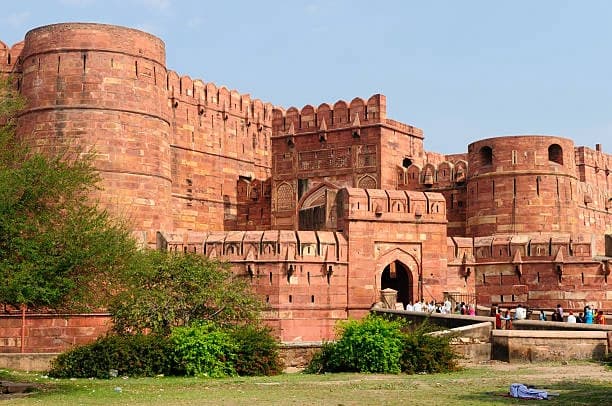
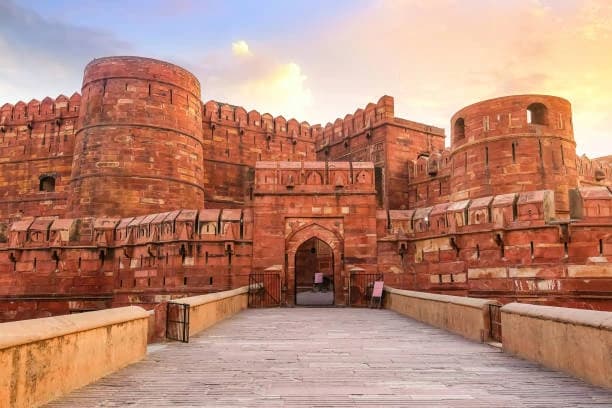
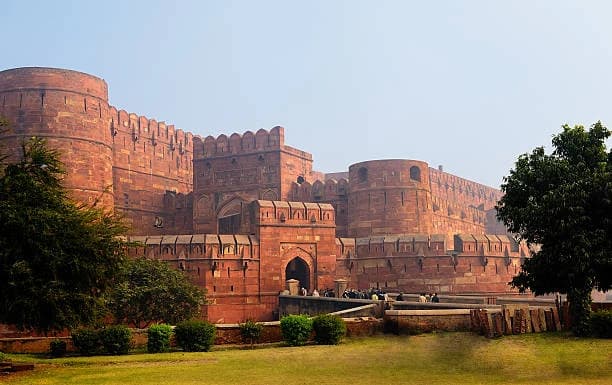
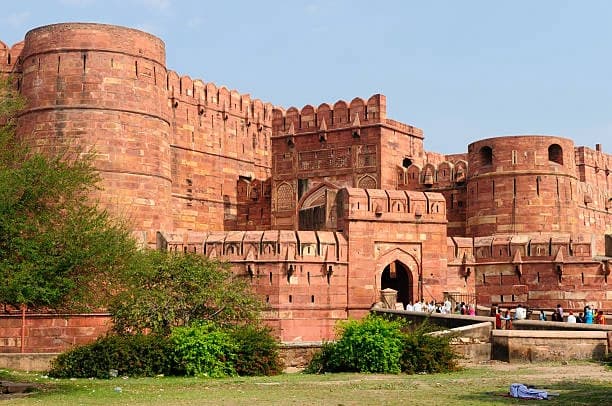
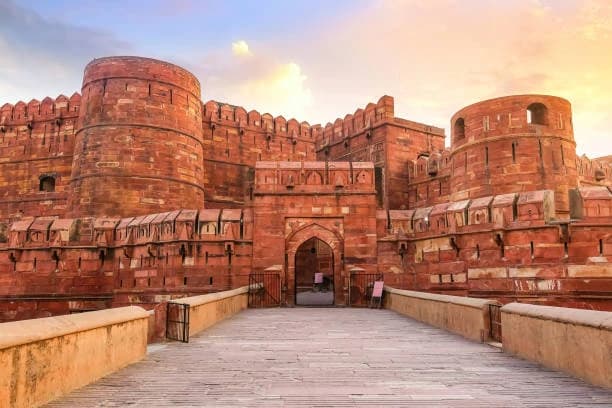
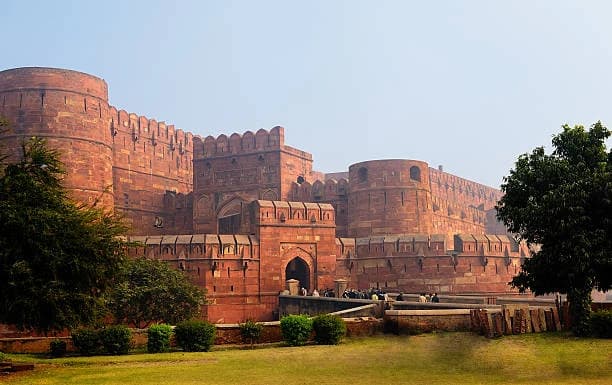
The Red Fort of Agra, also known as Agra Fort, is a majestic historical site located in Agra, Uttar Pradesh, India. This massive red sandstone fortress was built by Mughal Emperor Akbar in the 16th century and has since stood as a testament to the Mughal Empire’s grandeur and architectural brilliance. The Red Fort Agra is a UNESCO World Heritage Site and one of the most visited attractions in India, drawing tourists from around the world for its beauty, historical significance, and intricate Mughal architecture.
The Red Fort Agra is a large historical fort located on the banks of the Yamuna River in the heart of Agra. As a fort and palace complex, it served as the main residence for Mughal emperors for several generations, offering them protection and luxury. Today, the Red Fort is an essential landmark for history enthusiasts, tourists, and photographers.
The Red Fort Agra is well-connected, making it easily accessible by road, rail, and air.
By Air: The nearest airport is the Agra Airport (AGR), situated about 12 km away from the fort. For international visitors, Indira Gandhi International Airport (DEL) in New Delhi is approximately 220 km away and provides frequent connections.
By Train: Agra has several railway stations, including Agra Cantt, Agra Fort, and Raja Ki Mandi, all of which are within a short distance of the Red Fort Agra. These stations are connected to major Indian cities like Delhi, Jaipur, and Gwalior.
By Road: Agra is accessible by road from nearby cities through major national highways. From Delhi, it takes about 3-4 hours to reach Agra via the Yamuna Expressway. Buses and taxis are readily available for travel to Agra.
Diwan-i-Aam (Hall of Public Audience): This hall was where the emperor would address the public and hold official meetings. The arches and pillars are made of red sandstone, with intricate carvings.
Diwan-i-Khas (Hall of Private Audience): Reserved for special guests and important dignitaries, this hall is adorned with white marble and showcases delicate inlay work, symbolizing the fort’s luxurious ambiance.
Sheesh Mahal (Mirror Palace): Known for its reflective glasswork, Sheesh Mahal was a private area in the palace, creating an enchanting atmosphere with mirror mosaics that would glimmer under candlelight.
Khas Mahal: This palace served as the emperor’s private quarters, with stunning marble pavilions and a beautiful view of the Yamuna River. The ceilings and walls feature unique Mughal artistry.
Musamman Burj: A beautiful octagonal tower, Musamman Burj is where Shah Jahan, the builder of the Taj Mahal, was held under house arrest by his son. It offers a spectacular view of the Taj Mahal in the distance.
Anguri Bagh (Grape Garden): This garden area was used by the royal family to relax and unwind. It’s known for its geometric design, which was inspired by the Persian style.
There are several dining options near the Red Fort Agra offering a variety of cuisines, from traditional Indian to international.
The ideal time to visit the Red Fort Agra is between October and March, during the winter season when the weather is pleasant. Summers in Agra can be extremely hot, with temperatures reaching above 40°C, making it uncomfortable to explore the fort. Early mornings and late afternoons are recommended for a more relaxed experience and to avoid peak tourist hours.
Most visitors spend about 2 to 3 hours exploring the Red Fort Agra. This duration allows tourists to comfortably view the fort’s main attractions, enjoy the gardens, and capture photos of the architecture. Some may wish to stay longer, especially if they’re interested in history or photography.
The Red Fort Agra is more than just a historical site—it’s an opportunity to step into the past and experience the grandeur of the Mughal Empire. Whether you’re a history lover, a photography enthusiast, or a traveler seeking beautiful architecture, a visit to the Red Fort Agra promises a rich experience that complements any Agra itinerary.