
Toll Free Customer Care
+(1) 123 456 7890Need live support?
support@hectindia.comFollow us on social media


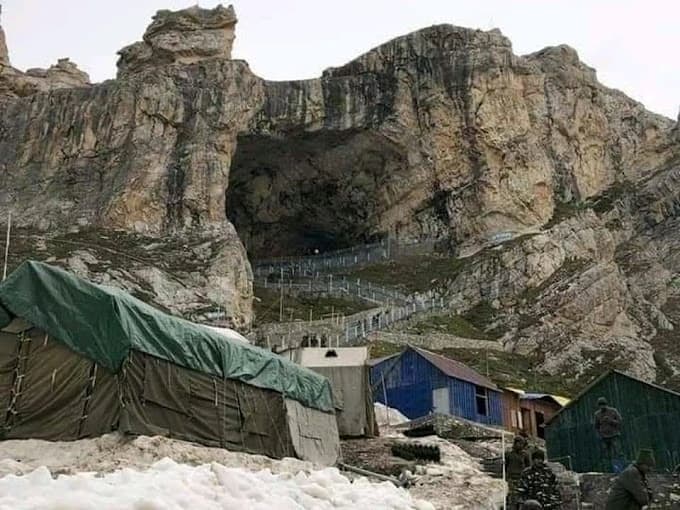
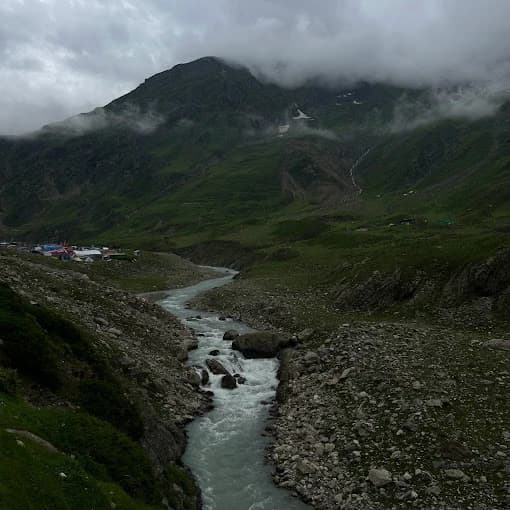
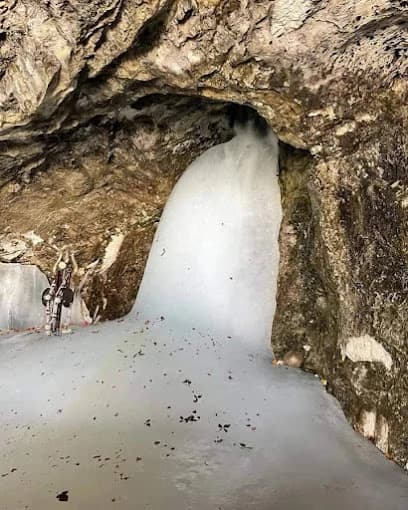
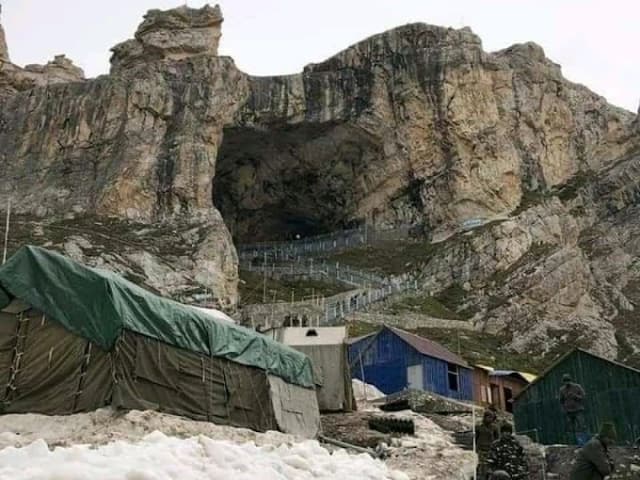
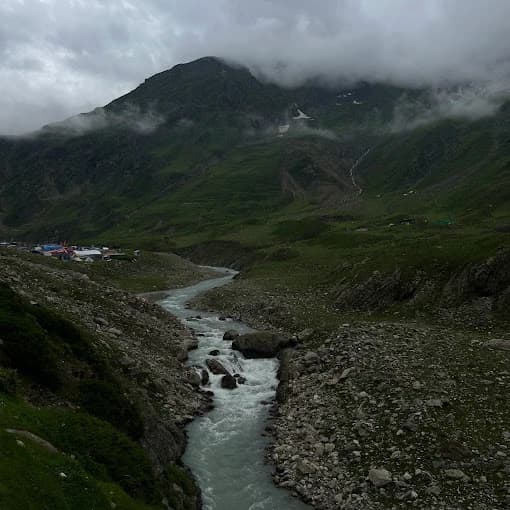
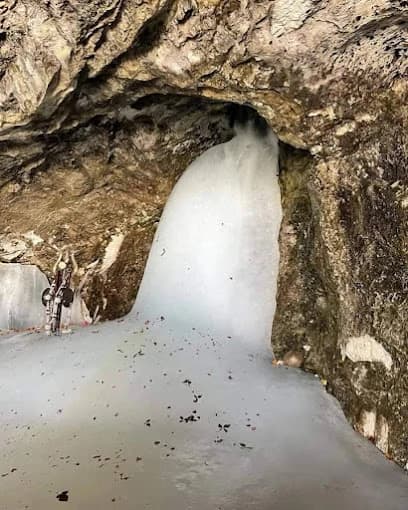
The Shri Amarnath Cave Temple is one of the most revered pilgrimage sites in India, located in the Indian state of Jammu and Kashmir. Known for the Amarnath Yatra, which attracts thousands of devotees every year, this temple holds immense religious and cultural significance. The cave is famous for the natural Shiva Lingam (a symbol of Lord Shiva) formed from ice, which grows in size during the summer months, attracting both pilgrims and tourists alike.
In this comprehensive guide, we’ll explore everything you need to know about Shri Amarnath Cave Temple. From its location and connectivity to the best time to visit and things to explore around, this guide will help you plan your visit and make the most of your experience.
The Shri Amarnath Cave Temple is located at an altitude of 3,888 meters (12,756 feet), deep in the snow-covered Himalayan mountains in Jammu and Kashmir. The cave itself is situated in the Amarnath Valley, about 12 kilometers from Pahalgam, the base camp for the Amarnath Yatra. The temple is dedicated to Lord Shiva and attracts thousands of pilgrims each year during the summer months, typically from June to August.
The natural ice Shiva Lingam, which forms inside the cave, is the central attraction. The ice formation is believed to have mystical and spiritual significance, and devotees undertake a strenuous pilgrimage to witness it in person.
The Shri Amarnath Cave Temple is located in a remote and rugged region of Jammu and Kashmir, and reaching it requires some planning and effort. There are several ways to access the temple, and the journey itself is an adventure.
The nearest airport to Shri Amarnath Cave Temple is Sheikh ul-Alam International Airport in Srinagar (approximately 90 kilometers from the temple). Srinagar is well-connected to major cities like Delhi, Mumbai, and Chennai by domestic flights. From Srinagar, you can travel to Pahalgam, the base camp for the Amarnath Yatra, either by taxi or by road.
The nearest railway station is Jammu Tawi Railway Station, located about 270 kilometers away from the cave. From Jammu, you can take a bus or hire a taxi to Pahalgam or Baltal, the two main base camps for the yatra.
The most common way to reach the Shri Amarnath Cave Temple is by road. The base camps are well-connected by road to Srinagar, Jammu, and other nearby towns. From Srinagar, you can either drive to Pahalgam or Baltal and then proceed towards the cave.
The actual Amarnath Yatra trek begins from either Pahalgam or Baltal. The trek from Pahalgam is longer (approximately 47 kilometers) and takes about 3-4 days to complete. The route from Baltal is shorter (around 14 kilometers) and can be completed in a day, but it is more challenging due to its steep terrain.
While the main attraction of the Shri Amarnath Cave Temple is the Shiva Lingam, there are several other places of interest around the temple that make the visit even more memorable.
The base camp for the Amarnath Yatra, Pahalgam is a beautiful hill station surrounded by lush green meadows, rivers, and dense forests. Visitors can enjoy peaceful walks along the Lidder River, explore Aru Valley and Betaab Valley, and experience local culture and cuisine. Pahalgam is also a great place to relax before or after the challenging trek to the temple.
Baltal is another base camp for the Amarnath Yatra, and it offers a shorter, more difficult trekking route to the temple. Baltal also has a Helipad, which provides helicopter services to the shrine during the yatra season. The surrounding mountains offer beautiful views and provide opportunities for trekking and camping.
Located on the route to the Shri Amarnath Cave Temple, Sheshnag Lake is a picturesque spot with crystal-clear waters surrounded by towering mountains. The lake is an important halt for pilgrims on their way to the cave and is believed to have spiritual significance.
Chandanwari is another popular stop on the Amarnath Yatra route. Situated about 16 kilometers from Pahalgam, it is famous for its snow-capped mountains, lush green valleys, and as the starting point of the yatra.
The Shri Amarnath Cave Temple remains open to pilgrims only during the summer months, typically from June to August, as the ice Shiva Lingam forms during this time. The Amarnath Yatra is a seasonal event, and the temple remains closed for the rest of the year due to heavy snow and harsh weather conditions.
The best time to visit is during the yatra season, when the cave is accessible, and the weather is relatively mild. However, visitors should be prepared for cold temperatures, even in the summer months, and carry adequate clothing and gear for the trek.
Natural Ice Shiva Lingam: The central attraction of the Shri Amarnath Cave Temple is the natural ice formation that resembles the Shiva Lingam. This phenomenon is unique to this temple and is a key reason for the temple’s popularity among pilgrims.
Challenging Trek: The trek to the Shri Amarnath Cave offers a physically challenging yet rewarding experience. The high-altitude trek through rugged terrains and snow-covered paths is an unforgettable adventure for avid trekkers.
Spiritual Significance: The cave is believed to be the place where Lord Shiva narrated the Amarnath Katha (story of immortality) to Goddess Parvati, making it an important spiritual destination for devotees.
Breathtaking Views: Surrounded by towering peaks and pristine valleys, the journey to Shri Amarnath Cave Temple offers breathtaking views of the Himalayas, making it a must-visit for nature lovers.
The time required to visit the Shri Amarnath Cave Temple depends on your chosen route and pace. If you opt for the Pahalgam route, the trek takes about 3-4 days (depending on your fitness level), while the Baltal route can be completed in 1-2 days. Pilgrims typically spend 2-3 hours inside the temple for prayers and rituals.
Due to the remote location of Shri Amarnath Cave Temple, food options are basic. However, there are several langars (free food stalls) set up by charitable organizations and religious groups along the yatra route, offering simple meals such as dal, rice, chapati, and vegetarian dishes. Pilgrims can also purchase packaged food, snacks, and water from stalls set up by locals along the route.
In Pahalgam and Baltal, you will find some small hotels, guesthouses, and eateries offering basic vegetarian food, such as tea, snacks, and light meals. It is advisable to carry energy bars, fruits, and other light snacks to keep you fueled during the trek.
For further information about the Shri Amarnath Cave Temple, you can contact the Amarnath Shrine Board: