
Toll Free Customer Care
+(1) 123 456 7890Need live support?
support@hectindia.comFollow us on social media


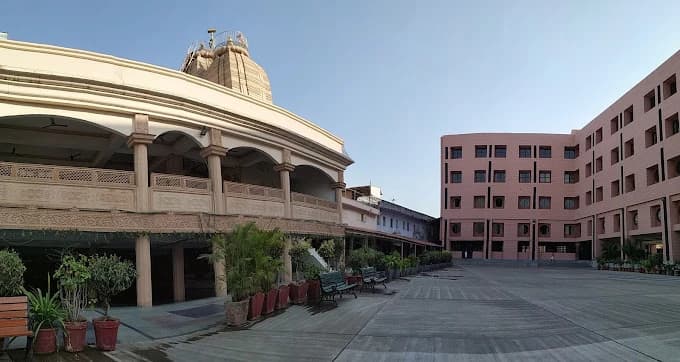
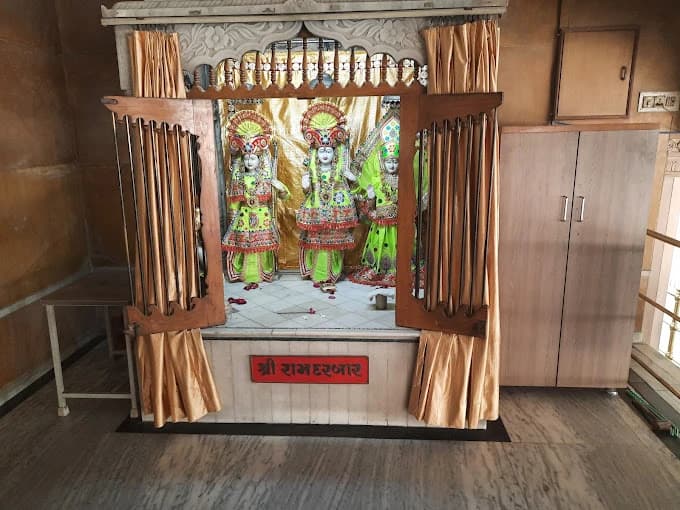

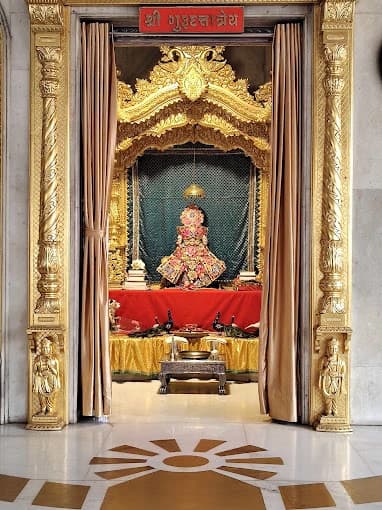

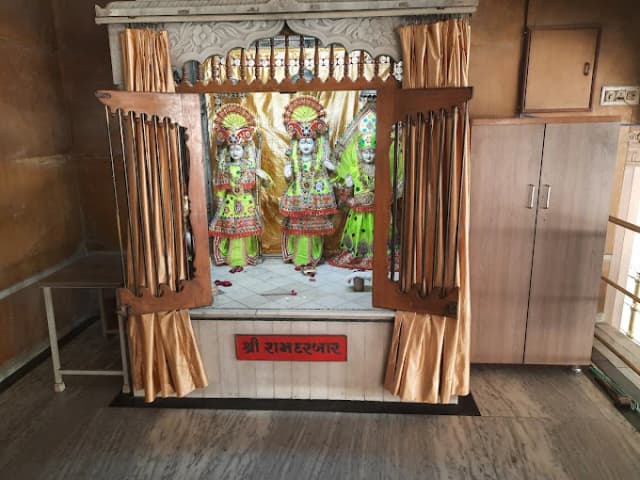

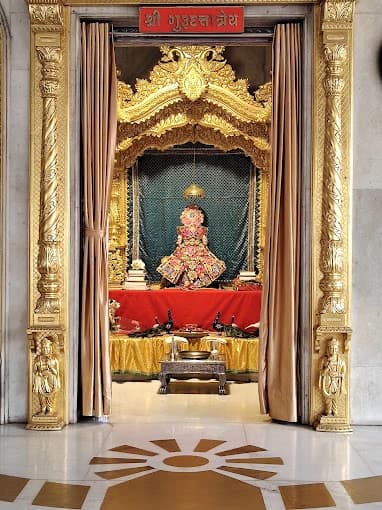
The Shri Jagannathji Mandir Trust is one of the most revered spiritual sites in India, offering visitors a peaceful and divine experience. Located in the heart of India, this temple stands as a testament to centuries of history, culture, and devotion. Whether you're a spiritual seeker or a traveler interested in exploring cultural landmarks, the Shri Jagannathji Mandir Trust is a must-visit destination.
The Shri Jagannathji Mandir Trust is a temple dedicated to Lord Jagannath, a form of Lord Vishnu. The temple, renowned for its majestic architecture and rich cultural heritage, draws pilgrims and tourists alike from all over the world. Known for its divine ambiance, the place offers a serene atmosphere where you can experience tranquility and peace. The temple is a part of India’s rich spiritual heritage and continues to play a significant role in the region's cultural life.
The Shri Jagannathji Mandir Trust is a religious and spiritual center. It is an ideal place for those looking to explore sacred rituals and connect with divine energy. The temple features grand structures, exquisite carvings, and a peaceful setting, making it perfect for meditation, prayer, and reflection. The temple is also an excellent spot for people who want to learn about Indian traditions, art, and culture.
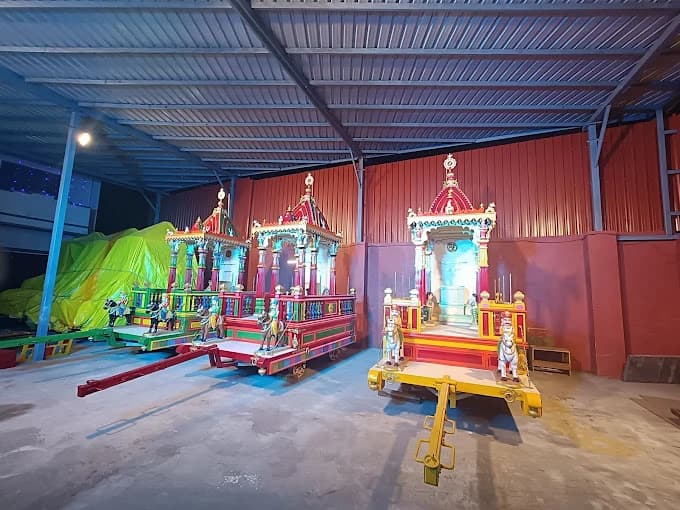
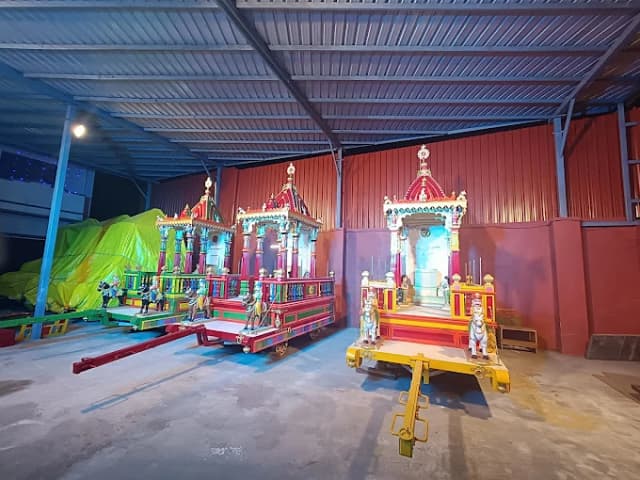
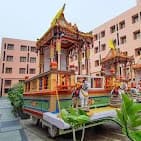
The Shri Jagannathji Mandir Trust is not just a place of worship; it is a center for culture and tradition. The rituals performed here are deeply rooted in history. One of the most famous traditions is the Rath Yatra, an annual chariot procession where devotees pull the chariots of Lord Jagannath, Balabhadra, and Subhadra through the streets. The celebrations during the festival are grand and draw thousands of visitors.
Apart from the Rath Yatra, the temple also holds daily rituals and ceremonies. Visitors can witness various forms of devotional music, chanting, and prayer. These rituals, which have been followed for centuries, create a vibrant spiritual atmosphere.
When visiting the Shri Jagannathji Mandir Trust, it is important to dress modestly as a sign of respect for the temple. For men, wearing simple and respectful attire such as a kurta-pajama or a shirt with trousers is ideal. Women should wear traditional attire such as sarees, salwar kameez, or a simple dress that covers the body appropriately.
Remember, the temple is a place of spirituality, and dressing respectfully enhances the experience. Avoid wearing sleeveless shirts or short skirts to maintain the temple’s sanctity.
The best time to visit the Shri Jagannathji Mandir Trust is during the cooler months, from October to March. The weather is pleasant, allowing for a comfortable exploration of the temple and its surroundings. However, if you want to witness the grand Rath Yatra, plan your visit during the festival, typically held in the summer months (June or July). This is when the temple is at its busiest, filled with joyous festivities and divine celebrations.
When visiting the Shri Jagannathji Mandir Trust, it is recommended to carry a few essentials:
ID proof: For registration or entry, it may be required at some temples.
Comfortable footwear: You will be walking a lot, so wear comfortable shoes.
Water bottle: Staying hydrated is important, especially if you’re visiting in warmer weather.
Camera: To capture the beauty and grandeur of the temple (but remember to check the temple’s photography policies).
Cash or donations: If you wish to contribute to the temple or purchase prasad (sacred food offering).
Avoid carrying large bags, as they may not be allowed inside. Always check the temple's guidelines beforehand.
While visiting the Shri Jagannathji Mandir Trust, avoid bringing the following:
Non-vegetarian food: The temple is sacred, and carrying meat or alcohol is strictly prohibited.
Leather items: These items are considered impure in many Hindu temples.
Large bags or backpacks: To ensure a smooth entry and avoid any inconvenience, it is better not to carry large bags.
Electronic devices: Although photography is often allowed, avoid using loud devices like music players or mobile phones in the temple premises to maintain the serene atmosphere.
Always remember that temples are places of peace and spiritual energy. Carrying only essentials and respecting the sacredness of the space is crucial.
The Shri Jagannathji Mandir Trust is known for its daily rituals that are deeply symbolic. The temple’s priests conduct pujas (rituals) throughout the day, with the main puja being held in the morning and evening. The worship of Lord Jagannath involves offerings of food, flowers, and incense. Devotees also participate in the Aarti, a devotional song accompanied by the ringing of bells.
One of the most unique rituals is the offering of Mahaprasad, which is food offered to Lord Jagannath and then distributed among the devotees. It is considered highly auspicious to receive this prasad.
During the Rath Yatra, the rituals become even grander. The procession involves the deities of Lord Jagannath, Lord Balabhadra, and Goddess Subhadra being placed on massive chariots and pulled by thousands of devotees through the streets.
The Shri Jagannathji Mandir Trust is centrally located, making it easy to access from nearby towns and cities. It is well-connected by road, rail, and air.
From the nearest railway station: The temple is located about 5-6 km from the nearest railway station, making it a short taxi or rickshaw ride.
From the nearest airport: The temple is around 20-25 km from the nearest airport. You can take a taxi or private vehicle to reach the temple comfortably.
Nearby towns and cities such as Puri, Bhubaneswar, and Cuttack are just a short drive away, making the Shri Jagannathji Mandir Trust easily accessible for visitors coming from different locations.
The Shri Jagannathji Mandir Trust offers a variety of food options for visitors, particularly through the Mahaprasad offered at the temple. This food is considered sacred and is available in large quantities, free of charge for devotees. It is a must-try, as it is believed to be a divine blessing.
In addition, you will find several local eateries and stalls around the temple offering snacks, meals, and sweets. Local dishes like Khichdi (a rice and lentil dish) and Pakhala Bhata (fermented rice) are popular and delicious.
For more extensive food options, you can visit the surrounding areas where restaurants and cafes serve a range of Indian and local cuisine.
The Shri Jagannathji Mandir Trust is well-connected by public transport, making it convenient for tourists to reach the site.
By Bus: Public buses frequently run to the temple from various parts of the city and nearby towns.
By Rickshaw: Rickshaws are available for short-distance travel from nearby bus stations or railway stations.
By Taxi/Auto: Taxis and auto-rickshaws are available at reasonable prices to take you to the temple.
For those coming from other cities, it is best to use the nearest railway station or airport and then hire a taxi or use local transport.
While the Shri Jagannathji Mandir Trust is the main attraction, there are several nearby spots that are worth exploring. These include:
Puri Beach: A short distance from the temple, Puri Beach offers a relaxing escape with golden sands and cool sea breezes.
Konark Sun Temple: A UNESCO World Heritage Site, this temple is famous for its intricate architecture and historical significance.
Chilika Lake: About 50 km from the temple, this lake is known for its bird sanctuary and scenic beauty.
These nearby attractions make the Shri Jagannathji Mandir Trust a perfect starting point for your spiritual and cultural journey.
Most visitors spend about 2 to 3 hours at the Shri Jagannathji Mandir Trust. This time allows for participation in the rituals, exploration of the temple grounds, and experiencing the spiritual atmosphere. However, if you're visiting during the Rath Yatra or festivals, you may want to allocate more time to witness the elaborate processions and celebrations.
The Shri Jagannathji Mandir Trust is open daily for visitors:
Opening Time: 5:00 AM
Closing Time: 10:00 PM
The temple remains open throughout the day, with certain ritual timings during the morning and evening hours. It is advisable to check the timings of specific events, especially during the festival season, to make the most of your visit.