Taj Mahal – The Timeless Wonder of India
Overview of the Taj Mahal
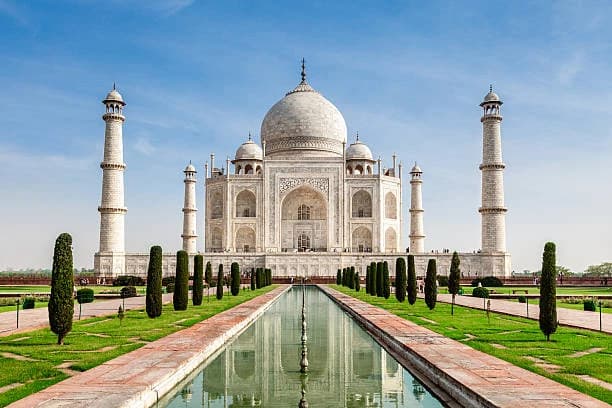
The Taj Mahal is a world-renowned monument of love located in Agra, India. Built in the 17th century by Mughal Emperor Shah Jahan, it stands as a symbol of elegance, architectural beauty, and history. This magnificent white marble mausoleum is one of the most famous attractions in the world and a UNESCO World Heritage Site, drawing millions of tourists each year. Recognized as one of the Seven Wonders of the World, the Taj Mahal represents the epitome of Mughal architecture, combining Islamic, Persian, Ottoman, and Indian styles.
Location and Venue Type
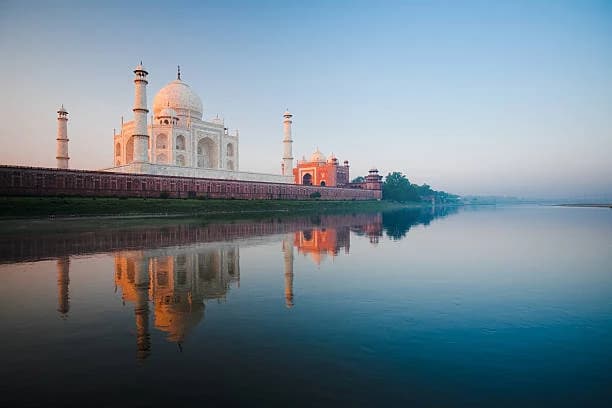
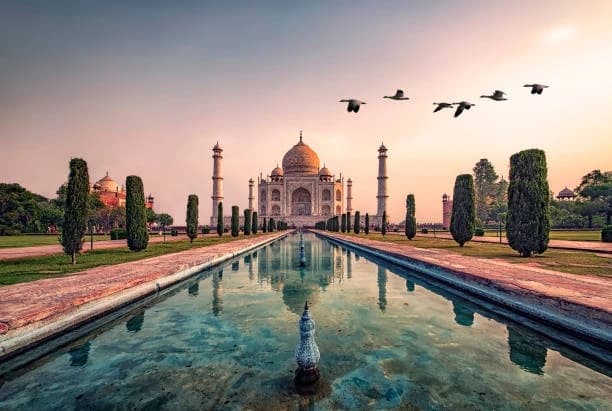
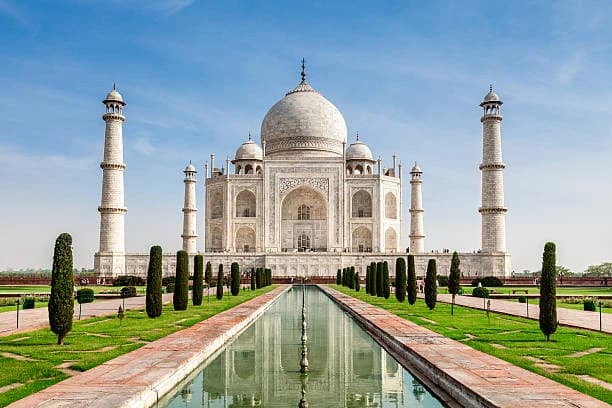
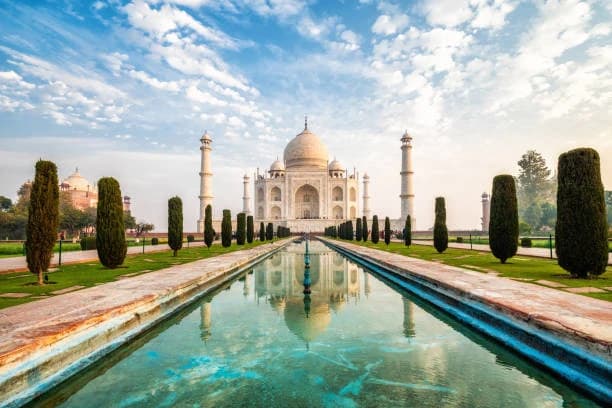
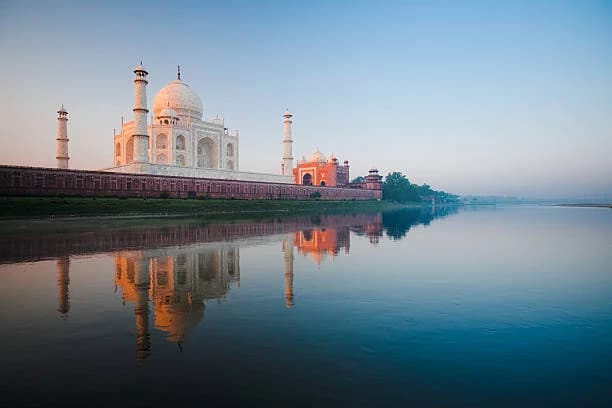
The Taj Mahal is a mausoleum and a major historical landmark in Agra, situated in the state of Uttar Pradesh. The structure, with its iconic domes, minarets, and intricate marble inlay, is on the southern bank of the Yamuna River. It’s surrounded by lush gardens and is set against the picturesque backdrop of the river.
How to Reach the Taj Mahal
Located in northern India, the Taj Mahal is well connected by road, rail, and air.
-
By Air: The nearest airport is the Agra Airport (AGR), located about 13 km from the Taj Mahal. However, Indira Gandhi International Airport (DEL) in New Delhi, around 220 km away, is better connected internationally.
-
By Train: Agra has three main railway stations: Agra Cantt, Agra Fort, and Raja Ki Mandi. Trains from Delhi, Jaipur, and other cities frequently connect to these stations.
-
By Road: Agra is connected by national highways, making it easily accessible by car or bus from nearby cities like Delhi, Jaipur, and Gwalior. The Yamuna Expressway from Delhi to Agra is a popular route for tourists traveling by car.
Things to Explore in and Around the Taj Mahal
-
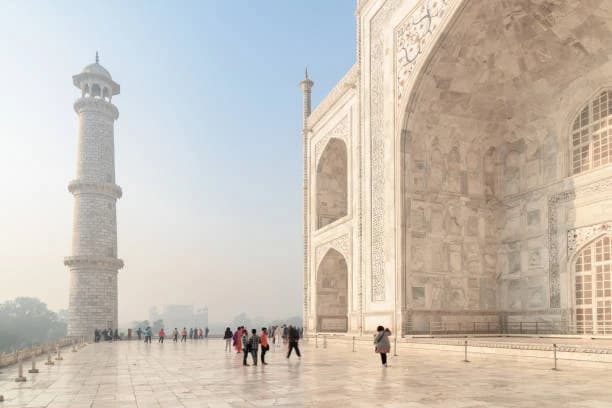
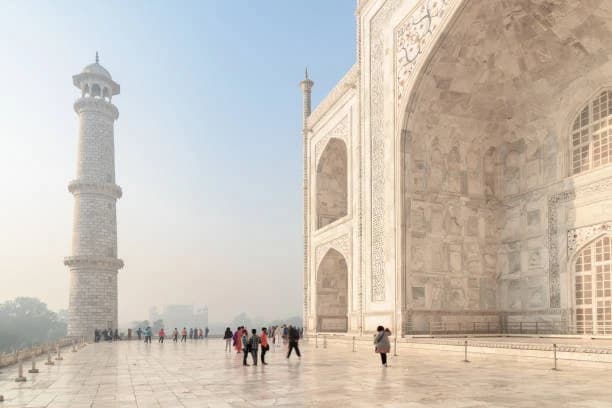
Main Mausoleum: The centerpiece of the Taj Mahal is the main marble structure housing the tomb of Mumtaz Mahal and Shah Jahan. Intricate marble inlays, lattice screens, and calligraphy adorn the walls.
-
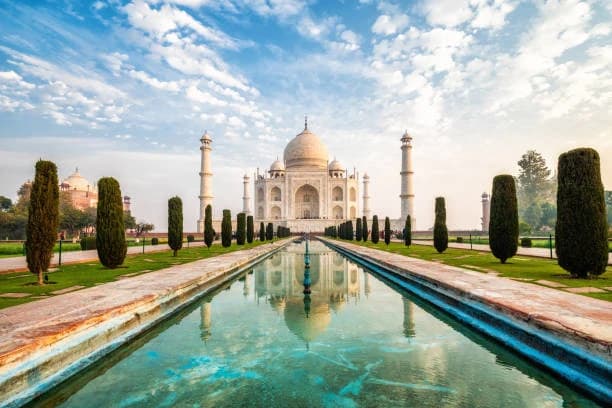
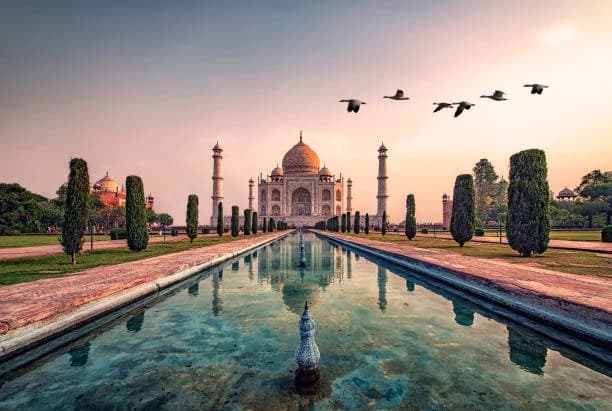
Charbagh Garden: The symmetrical gardens, known as Charbagh, represent the traditional Persian style and are divided into four parts with water channels symbolizing the paradise described in the Quran.
-
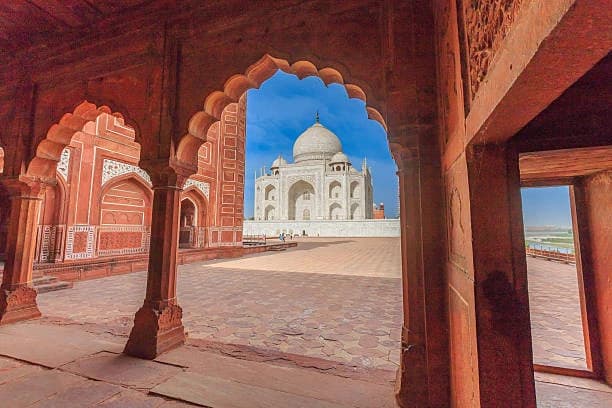
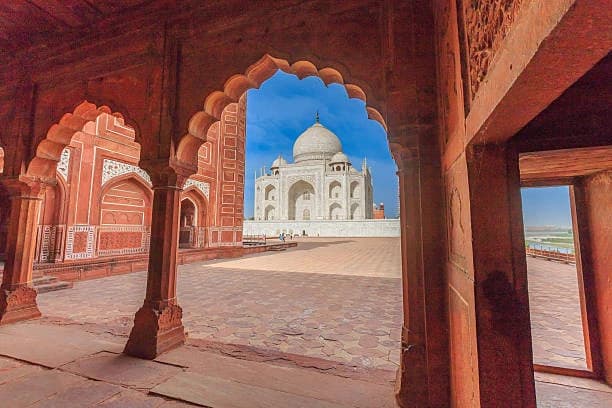
Mosque and Guest House: Flanking the main structure are two buildings—an elegant mosque and a guest house, both made of red sandstone, adding a beautiful contrast to the white marble of the main structure.
-
Mehtab Bagh (Moonlight Garden): Located across the Yamuna River, this garden provides a unique, rear view of the Taj Mahal. It's an ideal spot for sunset views.
Connectivity to Nearby Cities
- New Delhi: Approximately 220 km away, reachable by car in 3-4 hours via the Yamuna Expressway.
- Jaipur: About 240 km from Agra, Jaipur is connected by trains and the Golden Triangle tourist circuit.
- Gwalior: Located around 120 km south of Agra, Gwalior is reachable by road in about 2-3 hours.
Food Options Near the Taj Mahal
Agra offers a variety of food options close to the Taj Mahal that cater to different tastes and budgets.
- Local Cuisine: Agra is famous for its Mughlai dishes, including kebabs, biryanis, and sweets like Petha.
- Restaurants: Numerous restaurants near the Taj Mahal serve both Indian and international cuisines. Popular choices include Pinch of Spice, Joney’s Place, and Shankara Vegis.
- Street Food: You can also enjoy street food specialties like chaat, kachori, and lassi in Agra’s bustling markets.
Public Transport Options
- Auto-Rickshaws and Taxis: Easily available near the Taj Mahal and the railway stations, they are a convenient way to navigate Agra.
- Battery-Operated Vehicles: To protect the monument, battery-operated vehicles and cycle rickshaws are encouraged for transport in the nearby areas.
- Bus Services: Agra has a local bus network, and tourists can use buses from Agra Cantt or ISBT bus stands to reach the Taj Mahal.
Unique Selling Points of the Taj Mahal
- Architectural Marvel: The Taj Mahal is known for its symmetry, intricate marble inlay work, and grand dome, making it one of the finest examples of Mughal architecture.
- Historical Significance: Built by Emperor Shah Jahan in memory of his wife, Mumtaz Mahal, it stands as a testament to eternal love.
- UNESCO World Heritage Site: Recognized worldwide, the Taj Mahal has a special place in history and is an essential part of India's cultural heritage.
Best Time to Visit the Taj Mahal
- Winter (October to March): The winter season is the best time to visit the Taj Mahal, as the weather is cooler and more pleasant. Early mornings and late afternoons offer the most beautiful lighting for photography.
- Avoid Summer Heat: Summers (April to June) can be very hot, with temperatures rising above 40°C (104°F), so they’re not ideal for visiting.
Average Time Taken to Visit the Taj Mahal
Visitors typically spend around 2 to 3 hours exploring the Taj Mahal. This time allows for visiting the main mausoleum, gardens, and surrounding buildings. Some visitors may spend additional time for photography or simply enjoying the atmosphere.
Contact Information and Timings
- Address: Taj Mahal, Dharmapuri, Forest Colony, Tajganj, Agra, Uttar Pradesh 282001, India
- Opening Hours: The Taj Mahal is open from sunrise to sunset, generally from 6:00 AM to 6:30 PM, except on Fridays when it is closed to the public for prayers.
- Night Viewing: Special night viewings are available five days a month, including full moon nights, two days before, and two days after the full moon.
- Contact Number: Local tourism information or visitor inquiries can be directed to +91-562-2226431 (Agra Tourism Office).
Nearby Attractions
- Agra Fort: Located just 2.5 km from the Taj Mahal, Agra Fort is another UNESCO World Heritage Site and a fine example of Mughal architecture.
- Itmad-ud-Daulah's Tomb (Baby Taj): Often called the ‘Baby Taj,’ this tomb is located about 6 km away and is a beautiful marble structure worth visiting.
- Fatehpur Sikri: Around 40 km from Agra, this ancient city was the capital of the Mughal Empire for a short time and features stunning palaces, courtyards, and a mosque.
- Sadar Bazaar: For a shopping experience, Sadar Bazaar is a popular market near Agra Cantt, offering handicrafts, souvenirs, and traditional sweets.
Unique Photography Spots
- Mehtab Bagh: Known for its perfect view of the Taj Mahal across the river, it’s a top spot for photographers, especially at sunrise or sunset.
- River Yamuna Viewpoints: The riverbank near the Taj Mahal is another excellent location for scenic photographs, especially with the reflection of the monument in the water.
Suggested Itinerary Tips for Visiting the Taj Mahal
- Morning Visit: Arrive early to avoid crowds and capture the beauty in soft morning light.
- Guided Tour: Hiring a certified guide or using audio guides can provide detailed insights into the history, architecture, and story behind the Taj Mahal.
- Sunset View: For a different perspective, visit Mehtab Bagh in the evening for a stunning sunset view of the monument from across the river.
Key Facts Summary for Tourists
- Structure Type: Mausoleum
- Location: Agra, Uttar Pradesh, India
- Built by: Mughal Emperor Shah Jahan
- Material: White Marble
- Best Time to Visit: October to March
- Average Visit Time: 2-3 hours
- Entry Fee: Varies; tickets available online or at entry gates.