Toll Free Customer Care
+(1) 123 456 7890Need live support?
support@hectindia.comFollow us on social media


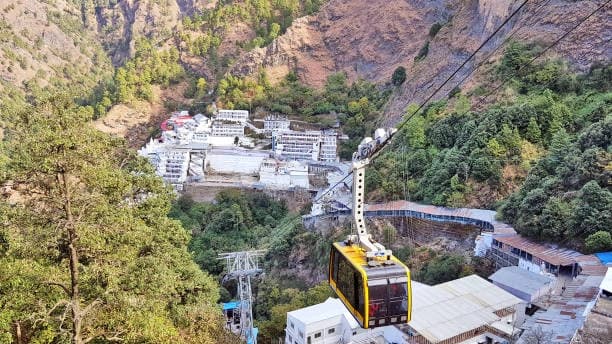
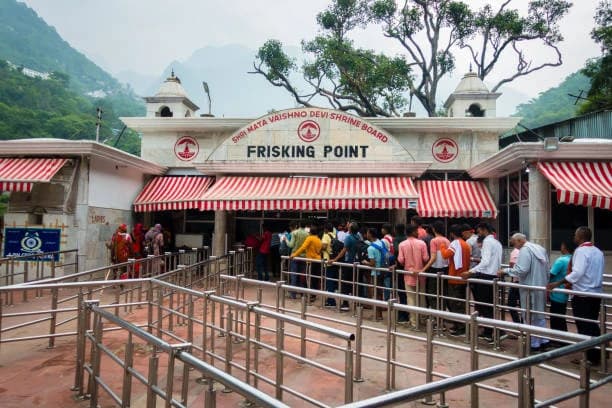
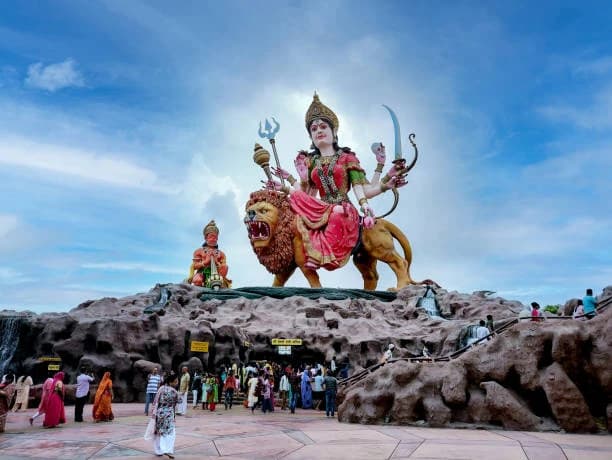
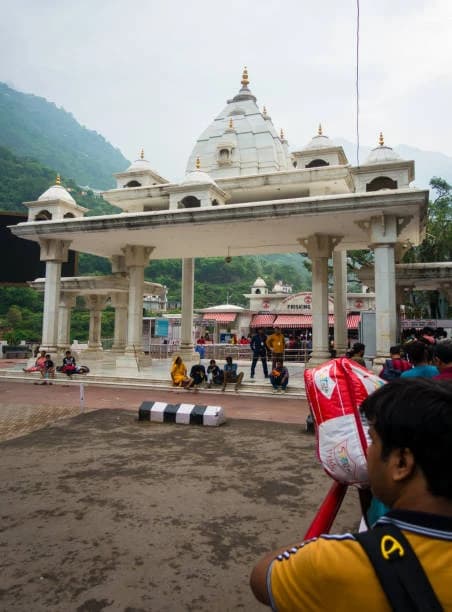
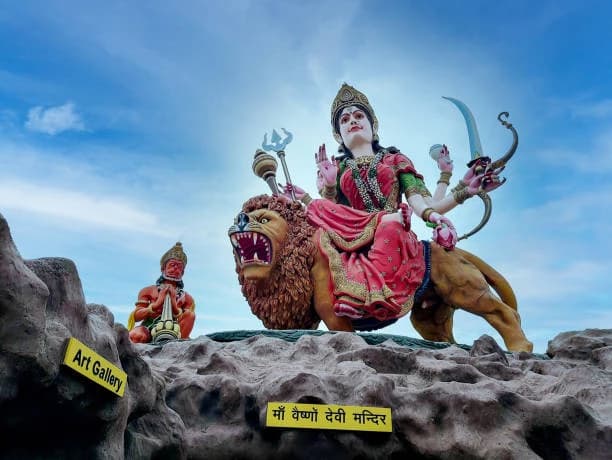
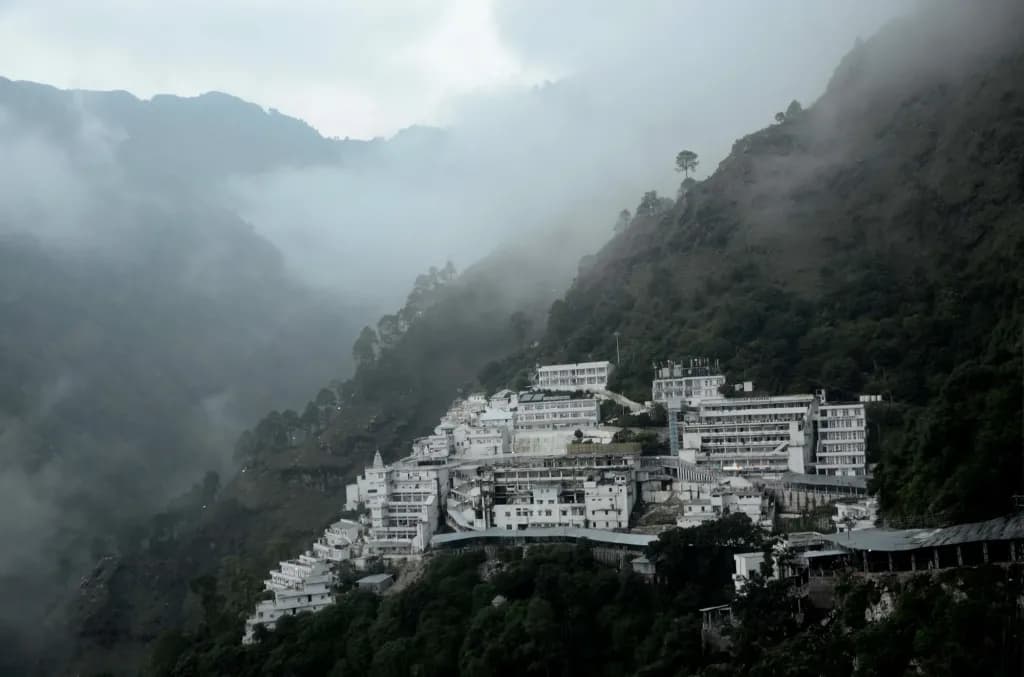
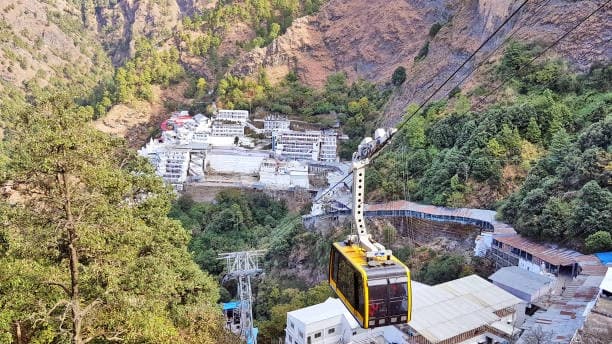
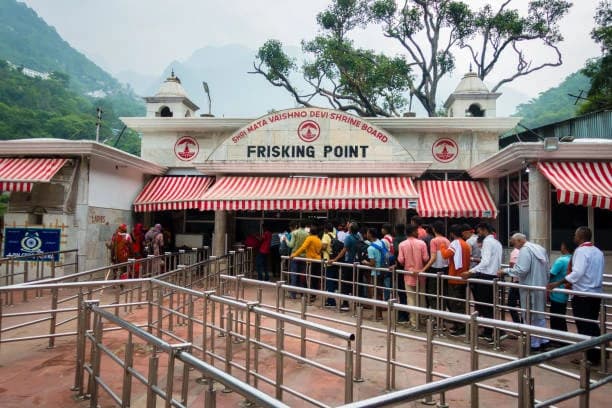
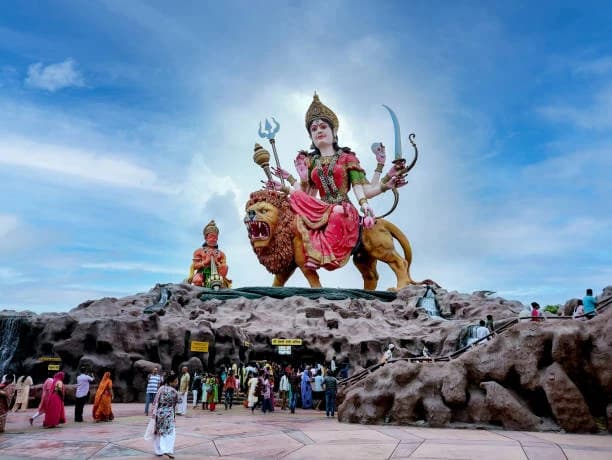
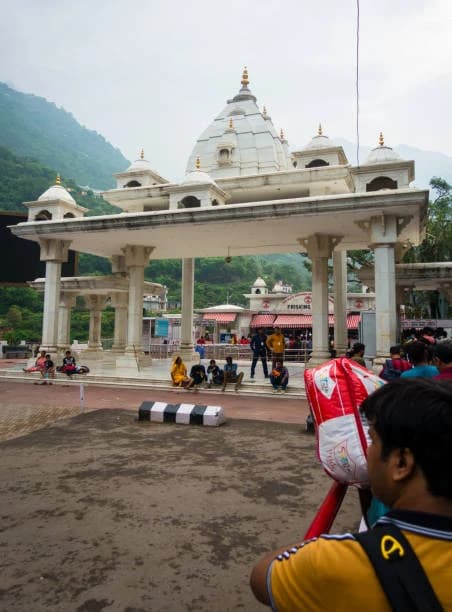
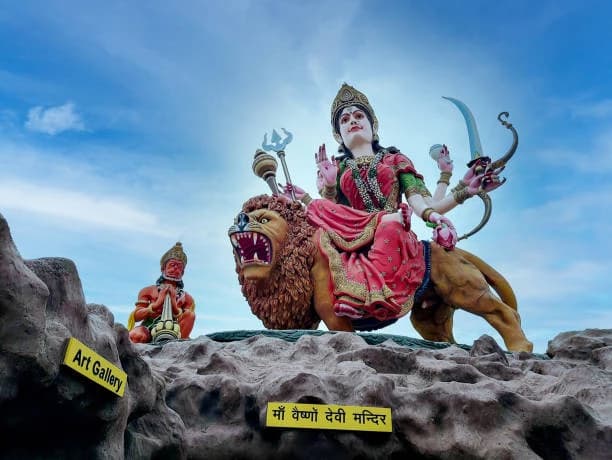
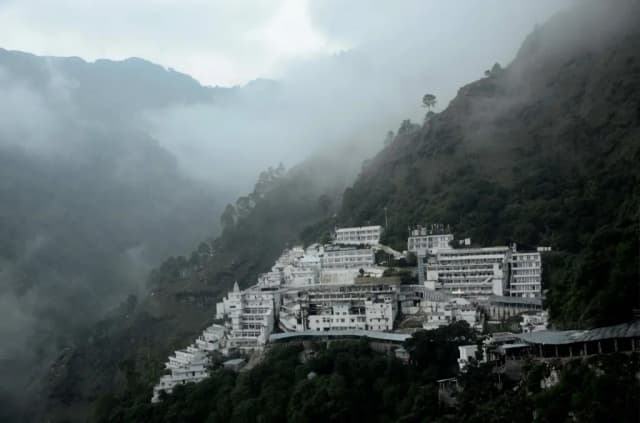
Vaishno Devi is one of India’s most famous and revered pilgrimage destinations. Located in the Trikuta Mountains of Jammu and Kashmir, this sacred site attracts millions of visitors every year. Whether you're a spiritual seeker, a nature lover, or a tourist, Vaishno Devi offers a unique combination of divine experiences, scenic beauty, and cultural significance. This guide will provide all the information you need for an enriching trip to Vaishno Devi, from how to get there, to things you can explore around the area, and the best time to visit.
Vaishno Devi is situated in the Trikuta Hills, about 12 kilometers (7.5 miles) from the base town of Katra in Jammu & Kashmir. The shrine is dedicated to Vaishno Devi, an incarnation of Goddess Durga, and it holds significant spiritual importance in Hinduism. The journey to Vaishno Devi is as much about the pilgrimage as it is about the experience of traveling through the scenic and peaceful mountains.
The Vaishno Devi shrine is located at an altitude of 5,200 feet above sea level and offers breathtaking views of the surrounding valleys and hills. The entire route is designed to offer a peaceful and serene atmosphere, making it a perfect destination for those seeking spiritual solace or a break from the hustle and bustle of daily life.
Vaishno Devi is easily accessible from Katra, which serves as the base town for the pilgrimage. From Katra, visitors can take various modes of transport to reach the shrine. The route is well-maintained, and there are several options for tourists to choose from depending on their convenience.
On Foot: The most traditional and spiritual way to reach Vaishno Devi is by walking up the mountain. The trek from Katra to the shrine is approximately 12 kilometers and takes about 6 to 8 hours to complete, depending on your pace. The journey is paved, and there are resting spots along the way.
Ponies and Palkis: For those who prefer not to walk, ponies (mules) and palkis (palanquins) are available. These services are provided at an additional cost and are a convenient way to reach the shrine for those with mobility issues or those who prefer a less strenuous journey.
Helicopter Ride: For tourists with limited time, helicopter services are available from Katra to Sanjhichhat, a point close to the shrine. From Sanjhichhat, it takes about 2 kilometers to reach the main shrine by foot.
While Vaishno Devi does not have direct international connections, visitors can fly into Jammu Airport (about 50 km from Katra), which has regular flights connecting to major Indian cities like Delhi, Mumbai, Chandigarh, and Amritsar. From Jammu, you can easily travel to Katra by road or train.
The Vaishno Devi shrine itself is the main attraction, but there are several other places in the vicinity that you can explore:
Ardh Kuwari Cave: About halfway up the trek, the Ardh Kuwari Cave is a must-visit. It is believed to be the place where Goddess Vaishno Devi meditated. Devotees must pass through the narrow cave to continue their journey to the shrine.
Bhairon Temple: Situated 2 kilometers from the main Vaishno Devi shrine, Bhairon Temple is dedicated to Bhairon Nath. It is an important site in the Vaishno Devi pilgrimage. Pilgrims often visit this temple after paying their respects at the main shrine.
Mata Vaishno Devi Shrine Museum: Located in Katra, this museum offers insights into the history, culture, and legends surrounding the Vaishno Devi shrine.
Dera Baba Banda Singh Bahadur: Located a little distance from Katra, this place holds religious and historical significance. It is an important spot for those interested in the history of Sikh and Hindu traditions.
The best time to visit Vaishno Devi is during the cooler months, from March to October. During these months, the weather is pleasant, and the temperatures are ideal for the trek. Summer temperatures can soar in the region, making the climb difficult, so it is best to avoid visiting during the peak summer months (May to August).
The winter months (November to February) can be quite cold, with temperatures dropping below freezing. Snowfall is common, making the trek more challenging, but some pilgrims enjoy the winter experience as well. If you are visiting during the winter, be prepared for cold weather and possible disruptions due to snow.
Festivals like Navratri and Diwali see large crowds, and many devotees come during this time to seek blessings. If you wish to avoid the rush, it's advisable to plan your trip outside the peak festival season.
A typical visit to Vaishno Devi usually takes 1 to 2 days. The trek from Katra to the shrine can take anywhere from 6 to 8 hours on foot, depending on your fitness and pace. However, if you opt for a pony ride or helicopter service, the journey time can be significantly reduced.
After reaching the shrine, you can spend an hour or more offering prayers and exploring the area. Many pilgrims also visit nearby temples like Bhairon Temple and Ardh Kuwari Cave, which can take additional time.
There are numerous food options available along the route and in Katra. Many hotels, restaurants, and stalls provide meals catering to pilgrims. You will find vegetarian food being served throughout the journey. The langar (community kitchen) at the Vaishno Devi Shrine also provides free meals to devotees.
Some food options include:
Public transport in Katra is well-organized. The base town of Katra has a wide range of options to help visitors get to the starting point of the trek or other nearby locations:
If you need more details or assistance for your trip, you can contact the Vaishno Devi Shrine Board: