Agadir
Explore stays
Marrakech, often referred to as the "Red City" due to its distinctive red sandstone buildings and walls, is one of Morocco’s most iconic and vibrant cities. Located at the foothills of the Atlas Mountains, Marrakech is a bustling metropolis that seamlessly blends ancient traditions with modern influences. Here's a comprehensive look at what makes Marrakech a must-visit destination:
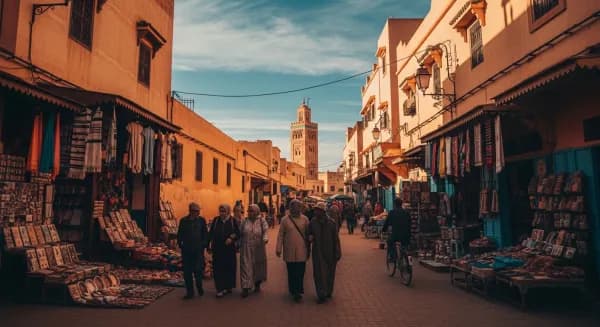
Medina of Marrakech: The heart of the city, the Medina, is a UNESCO World Heritage Site. Its maze-like alleys are filled with souks (markets), historic palaces, and mosques. The Medina is surrounded by 19 kilometers of red sandstone walls, adding to its historical allure.
Jemaa el-Fna Square: This central square is the lifeblood of Marrakech. By day, it's a bustling marketplace with stalls selling everything from fresh orange juice to traditional Moroccan crafts. By night, it transforms into a vibrant hub of entertainment with storytellers, musicians, and food vendors. The atmosphere is electric, offering a true taste of Moroccan culture.
Koutoubia Mosque: Dominating the skyline, the Koutoubia Mosque is the largest mosque in Marrakech. Its minaret, which stands at 77 meters tall, is a stunning example of Almohad architecture and can be seen from almost any part of the city. While non-Muslims cannot enter the mosque, the exterior and surrounding gardens are worth visiting.
Bahia Palace: A 19th-century palace built for Si Moussa, the grand vizier of the sultan, Bahia Palace is a masterpiece of Moroccan architecture. The palace features beautiful gardens, intricate tile work, and ornate ceilings, reflecting the opulence of the era.
Saadian Tombs: Discovered in 1917, these tombs date back to the time of Sultan Ahmed al-Mansur (1578–1603). The tombs are known for their stunning tile work, Arabic calligraphy, and intricate carvings. They were sealed up and forgotten for centuries, which helped preserve their exquisite details.
El Badi Palace: Once a magnificent palace built by Sultan Ahmad al-Mansur in the late 16th century, El Badi is now mostly in ruins. However, the remnants still evoke a sense of grandeur, with vast courtyards, underground passageways, and the famous Koutoubia Minbar (pulpit).
Majorelle Garden: Created by French painter Jacques Majorelle in the 1920s and later restored by fashion designer Yves Saint Laurent, Majorelle Garden is a botanical haven in the heart of Marrakech. The garden features exotic plants, fountains, and the iconic cobalt blue buildings, offering a peaceful escape from the city’s hustle and bustle.
Menara Gardens: Established in the 12th century, these gardens feature olive groves, a large reflective pool, and stunning views of the Atlas Mountains. The pavilion and pool were originally designed as a summer residence for the sultan and his family.
Marrakech’s food scene is a feast for the senses, with rich flavors and aromas that reflect the city’s diverse cultural heritage.
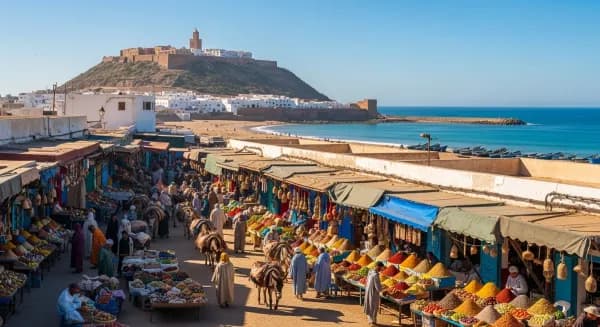
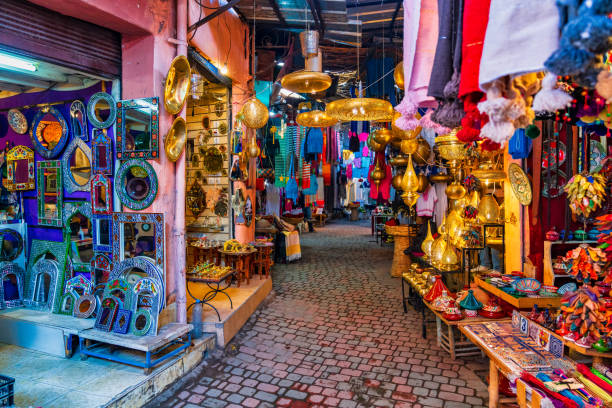
The souks of Marrakech are famous for their vibrant colors, scents, and sounds. Visitors can find a wide range of goods, including:
Despite its rich history, Marrakech also embraces modernity. The Gueliz district, also known as the New Town, features contemporary restaurants, cafes, and boutiques. The city’s expanding infrastructure and luxury accommodations cater to a growing number of international visitors.
Marrakech is a city of contrasts, where ancient traditions meet modern luxury. Its rich history, vibrant culture, and stunning architecture make it a captivating destination. Whether you’re exploring the bustling Medina, relaxing in serene gardens, or savoring delicious Moroccan cuisine, Marrakech offers an unforgettable experience that enchants and inspires every visitor.
Nearby places worth adding to your itinerary.
Top stays in Marrakech picked for comfort, value, and great guest reviews.