`Akko
Explore stays
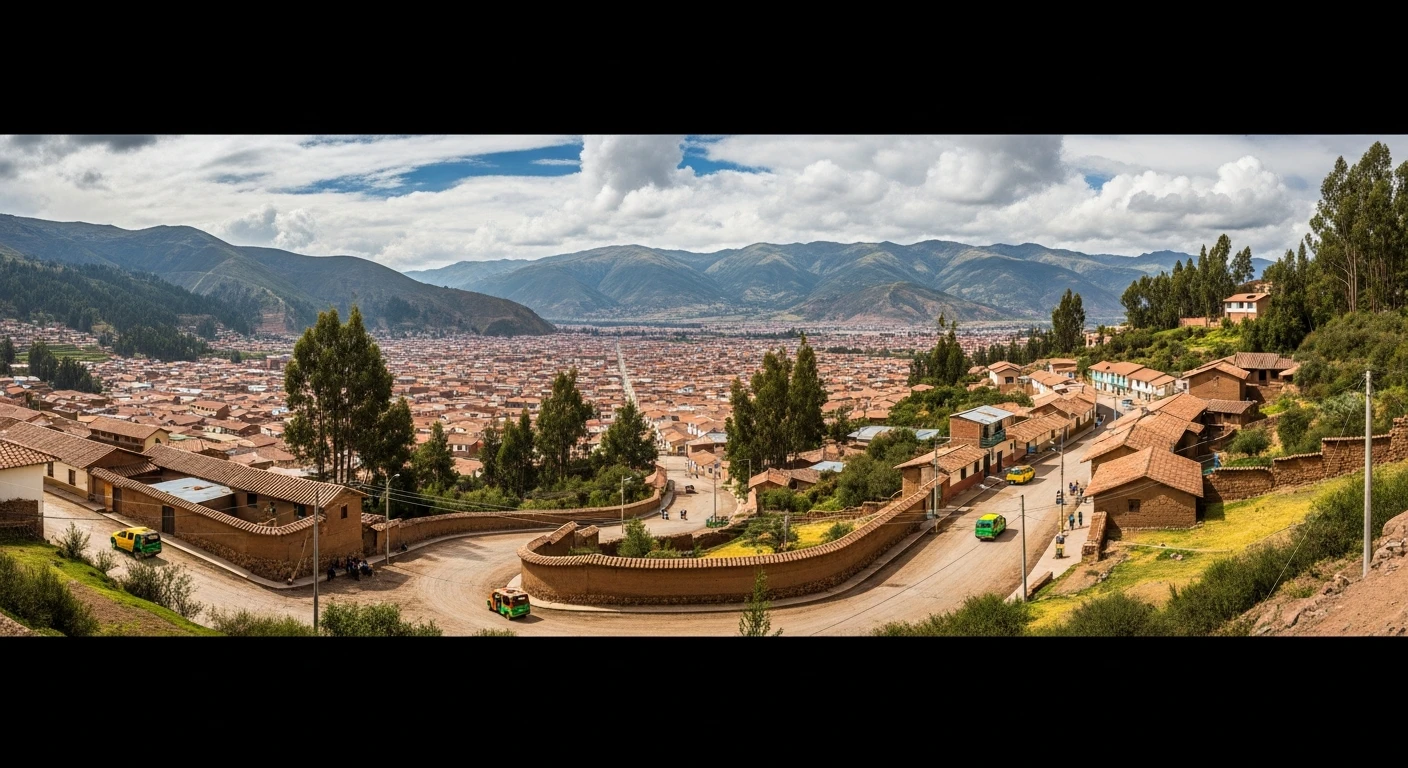
Abancay, the capital of the Apurímac region in Peru, is a city steeped in history and culture, nestled in the Andes Mountains. Established during the Inca Empire, it once served as a strategic location for the Incas due to its proximity to vital trade routes. The name 'Abancay' is derived from the Quechua word 'avankay,' which translates to 'to be a friend.'
Geographically, Abancay is located at an altitude of approximately 2,400 meters (about 7,874 feet) above sea level, surrounded by rugged mountains and lush valleys. The Apurímac River flows nearby, providing a natural boundary and a source of life for the region. This unique geography contributes to the area’s diverse ecosystems, including subtropical and temperate zones, resulting in rich flora and fauna.
The vibe in Abancay is a blend of tradition and modernity. While the city offers contemporary amenities, it retains a quintessential Peruvian charm, visible in its colonial architecture and vibrant markets. The locals, known for their warm hospitality, often engage visitors in conversation, sharing tales of their heritage and traditions. Abancay serves as a gateway for many travelers exploring the Apurímac region, making it a vibrant hub of activity.
When it comes to accommodation in Abancay, visitors have a variety of options ranging from budget hostels to more luxurious hotels. For those seeking comfort, the Hotel San Agustín Abancay offers modern amenities, stunning views, and a warm atmosphere. Located centrally, this hotel is an ideal base for exploring the city.
On the other hand, budget-conscious travelers can find several hostels and guesthouses, such as Hostal La Casa de Abancay, which provides clean, comfortable lodgings at an affordable price. Staying in these local establishments can offer a more authentic experience, allowing guests to interact with locals and learn about their way of life.
Getting around Abancay is relatively easy, thanks to its compact size. The most common mode of transportation is the taxi, which is inexpensive and readily available. For a more local experience, consider using mototaxis—three-wheeled vehicles that zip through the streets, providing a fun and quick way to navigate the city.
Additionally, the city has a network of buses that connect various neighborhoods and nearby towns, making it easy to venture beyond Abancay. Purchasing a local SIM card for mobile data can also assist in navigation and communication.
Abancay is not just a destination but a starting point for numerous excursions to breathtaking sites. One hidden gem is the Thermal Baths of Conoc, located about an hour from the city. This natural hot spring is perfect for relaxation after a day of hiking or exploring.
Another must-visit is the Sayhuite Archaeological Complex, which showcases ancient engineering marvels, including aqueducts and water channels. This site offers insights into the ingenuity of the pre-Inca cultures that inhabited the region.
The ideal time to visit Abancay is during the dry season, which runs from May to September. This period boasts sunny days and cool nights, perfect for outdoor activities and excursions.
However, the wet season from November to March can also be enchanting, with lush landscapes and fewer tourists. Be prepared for occasional rain, especially in January and February, but this can also be a time to witness the region's vibrant flora.
Abancay experiences a diverse climate influenced by its altitude. January and February are the warmest months, with temperatures averaging around 20°C (68°F) during the day. However, nights can be chilly, dropping to around 5°C (41°F).
From March to May, temperatures gradually decrease, making the weather cooler but still pleasant. The dry season from May to September sees daytime temperatures ranging from 15°C to 22°C (59°F to 72°F) and cooler nights. October marks the transition to the wet season, with increased rainfall and slightly warmer temperatures.
Abancay is rich in cultural traditions, influenced by its indigenous heritage. The city celebrates several festivals throughout the year, with Inti Raymi being one of the most significant. This festival, dedicated to the sun god, features colorful parades, traditional music, and dances, showcasing the region's vibrant culture.
The local population is known for their strong community ties and warmth towards visitors. Etiquette in Abancay includes greeting people with a smile and using basic Spanish phrases, which locals greatly appreciate. Participating in local customs, such as sharing a meal or joining in traditional dances, can enrich your travel experience.
Culinary delights in Abancay are a reflection of its diverse cultural influences. Adobo Abanquino, a marinated pork dish, is a must-try for its rich flavors and tender meat. Another local favorite is pachamanca, a traditional Andean dish made from marinated meats and vegetables cooked underground.
Street food is also popular, with vendors offering delicious snacks like anticuchos (grilled skewered meat) and picarones (sweet potato doughnuts). Exploring local markets is a fantastic way to sample these dishes and immerse yourself in the culinary traditions of Apurímac.
Abancay boasts several remarkable landmarks that captivate tourists. One of the top attractions is the Cathedral of Abancay, an impressive structure featuring colonial architecture and intricate interiors. The cathedral, built in the 17th century, is a cultural landmark that reflects the city’s historical significance.
Another must-see is the Plaza de Armas, the main square, where visitors can soak in the local atmosphere while enjoying a coffee or traditional drink from nearby cafés. Surrounded by colonial buildings, including the city hall, the plaza often hosts local events and gatherings.
The Mirador de La Virgen offers panoramic views of the city and the surrounding mountains, making it a perfect spot for photography enthusiasts. The statue of the Virgin Mary located here is a significant religious symbol for locals.
For history buffs, the Abancay Museum provides insights into the region's past, showcasing artifacts from both pre-Inca and colonial times, offering a window into the diverse cultures that have shaped Apurímac.
Lastly, the Sayhuite Aqueducts are a fascinating archaeological site that demonstrate the advanced hydraulic engineering of ancient cultures in the region. This site is not only educational but also visually stunning, set against the backdrop of the Andean landscape.
Nearby places worth adding to your itinerary.
Top stays in Abancay picked for comfort, value, and great guest reviews.