`Akko
Explore stays
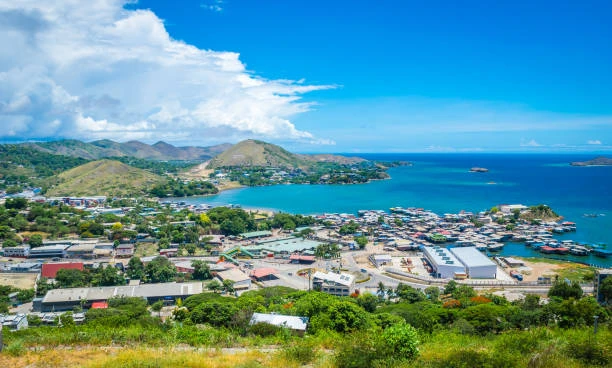
Abau is a scenic area located in Papua New Guinea (PNG). It is part of the Central Province and is known for its lush landscapes, vibrant culture, and friendly locals. Abau is situated on the southern coast of the island of New Guinea, surrounded by hills and rivers. The region is characterized by tropical rainforests, beautiful beaches, and unique wildlife.
Abau is not as widely known as other destinations in Papua New Guinea, making it a hidden gem for travelers seeking authentic experiences away from the crowds. The area's rich natural beauty and cultural heritage make it a perfect spot for nature lovers and adventure seekers.
Getting around Abau and its surroundings is fairly easy. The area offers various transportation options:
Buses: Local buses connect Abau to nearby towns and villages. They are an affordable way to travel and experience local life.
Taxis: Taxis are available for hire. They can be a good option for getting to specific attractions or for longer distances.
Bicycle Rentals: In some areas, you can rent bicycles. This is a great way to explore the lush landscapes at your own pace.
The nearest major airport is Jacksons International Airport in Port Moresby, the capital city of Papua New Guinea. From Port Moresby, travelers can reach Abau by road or take a domestic flight to a nearby airstrip.
Road Travel: The drive from Port Moresby to Abau takes about 1.5 to 2 hours, depending on traffic and road conditions. The journey offers stunning views of the surrounding landscape.
Domestic Flights: While there may not be direct flights to Abau, nearby airstrips serve some smaller airlines. Check local airlines for possible connections.
Abau offers a variety of attractions and activities for visitors:
Lush Rainforests: The area around Abau is filled with dense rainforests. Visitors can explore the rich biodiversity by hiking or taking guided tours. Many unique plants and animals can be found here.
Beaches: Abau is close to several beautiful beaches. These beaches are perfect for relaxing, swimming, or picnicking. The soft sand and clear waters provide a serene escape.
Rivers and Waterfalls: The region has many rivers and waterfalls. Some waterfalls are accessible for swimming and enjoying nature. Guided tours often include visits to these scenic spots.
Local Villages: Visit nearby villages to experience the traditional lifestyle of the local people. You can participate in cultural activities, learn about their customs, and taste local food.
Craft Markets: Explore local craft markets where artisans sell handmade goods. Items include traditional carvings, woven baskets, and colorful textiles. These make for great souvenirs.
Cultural Festivals: If you visit during a festival, you can experience local music, dance, and ceremonies. These events showcase the vibrant culture of the region.
Diving and Snorkeling: The waters around Abau are home to diverse marine life. Dive or snorkel to see colorful coral reefs and fish. Several tour operators offer diving trips.
Bird Watching: Abau is an excellent location for bird watching. The rainforests are home to many unique bird species, including some that are native to Papua New Guinea.
Hiking Trails: There are various hiking trails in the area, ranging from easy walks to more challenging treks. Hiking allows visitors to appreciate the stunning landscapes and discover hidden gems.
Abau is centrally located, making it easy to reach other cities in Papua New Guinea:
Port Moresby: About 40 kilometers (approximately 25 miles) from Abau. The drive takes around 1.5 to 2 hours.
Goroka: Roughly 120 kilometers (about 75 miles) to the northeast. It takes about 3 hours by road.
Lae: Located approximately 250 kilometers (about 155 miles) away. The drive can take 5-6 hours.
Abau has a variety of food options to satisfy different tastes:
Local Cuisine: Taste traditional Papua New Guinean dishes. Popular meals include Kukupa (a type of stew), Mumu (a method of cooking meat and vegetables in an underground oven), and fresh fish from local waters.
Street Food: Vendors sell delicious street food throughout the area. Try Saksak (a sweet potato dessert), Tapioca, and Roasted Corn for a tasty snack on the go.
Restaurants: There are several restaurants offering a mix of local and international cuisine. Many serve fresh seafood, grilled meats, and vegetarian options.
Cafes: Enjoy a coffee or tea at local cafes. Many cafes serve light meals and snacks, making them great spots to relax.
Getting around Abau is convenient, with several public transport options:
Buses: Public buses are a budget-friendly way to travel. They connect Abau to nearby towns and attractions.
Taxis: Taxis are available for hire and can be booked for longer trips. Always confirm the fare before starting your journey.
Bicycle Rentals: Renting a bicycle is a fun way to explore the area. Some local shops offer bikes for rent at reasonable rates.
Abau has several features that make it a great travel destination:
Untouched Nature: The area is known for its stunning natural beauty. The lush rainforests, beaches, and rivers create a perfect environment for nature lovers.
Cultural Authenticity: Unlike more touristy areas, Abau offers an authentic experience. Visitors can interact with locals and learn about their traditions.
Adventure Opportunities: The region provides a range of outdoor activities. From hiking and diving to bird watching, there is something for everyone.
Peaceful Environment: Abau is less crowded than other tourist destinations in Papua New Guinea. Visitors can enjoy a tranquil atmosphere away from the hustle and bustle.
Friendly Locals: The people in Abau are known for their hospitality. Travelers often feel welcomed and appreciated during their visit.
The best time to visit Abau is during the dry season, which typically runs from May to October. The weather is more pleasant for outdoor activities during these months.
When traveling to Abau, consider packing:
Lightweight Clothing: The climate can be warm and humid, so bring breathable fabrics.
Comfortable Shoes: If you plan to hike or explore, pack sturdy footwear.
Sun Protection: Don’t forget sunscreen, sunglasses, and a hat to protect yourself from the sun.
Insect Repellent: Insect repellent is useful, especially in rural areas.
Abau is generally safe for tourists. However, it’s always wise to take standard safety precautions. Drink plenty of water to stay hydrated, especially during outdoor activities.
Nearby places worth adding to your itinerary.
Local guide picks to help you explore Abau better.