

Destination
Explore stays
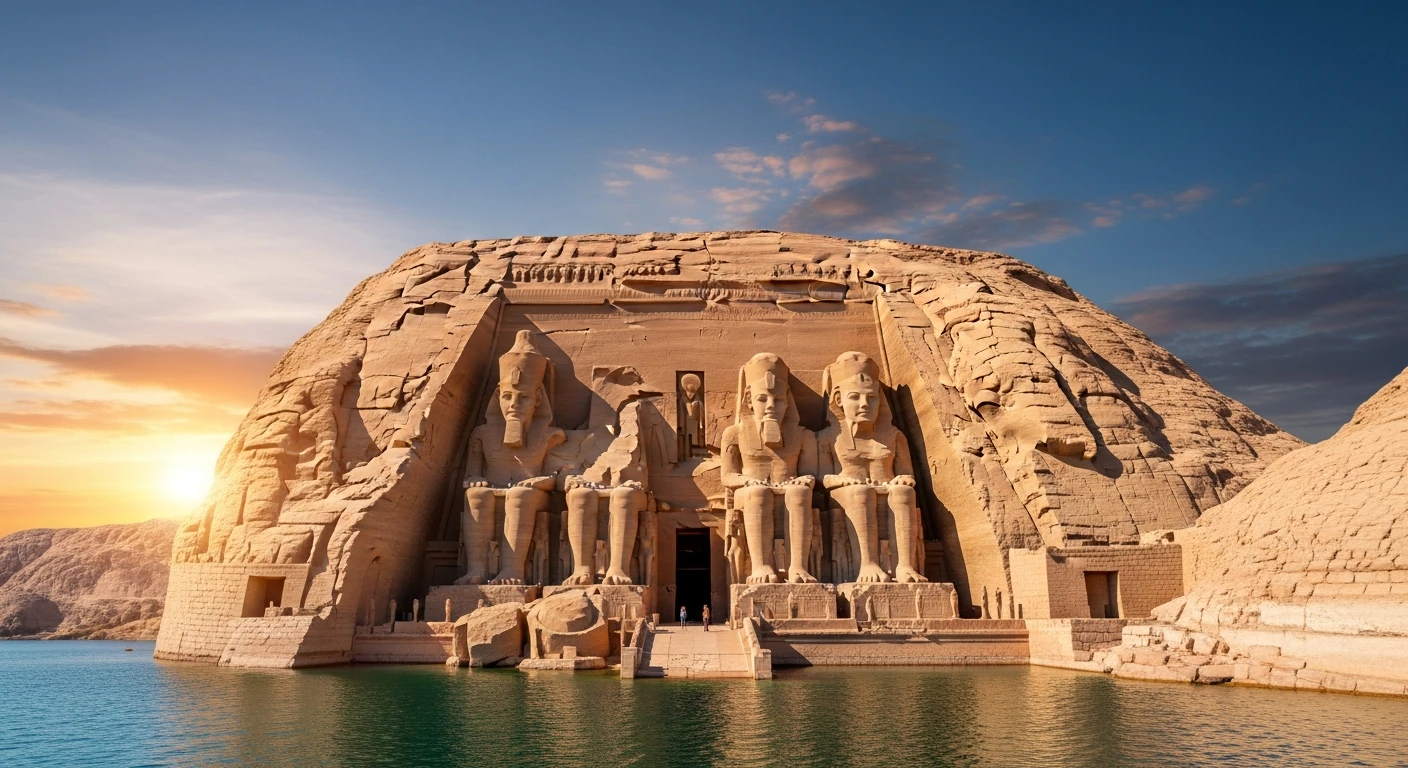
Abu Sunbul, often referred to interchangeably with Abu Simbel, is a fascinating archaeological site located in southern Egypt. It is part of the larger Nubian Monuments, standing majestically on the western bank of Lake Nasser. The site is renowned for its two massive rock temples originally carved out of the mountainside during the reign of Pharaoh Ramses II. Abu Simbel was part of a grand project to immortalize Ramses' legacy and to impress Egypt's southern neighbors with the grandeur of Egyptian civilization.
The temples were relocated in the 1960s to avoid submersion in Lake Nasser due to the construction of the Aswan High Dam. This monumental task, completed by a multinational team of archaeologists, engineers, and workers, preserved the temples' historical and cultural significance. The relocation itself is a testament to human ingenuity, mirroring the awe-inspiring feats of the ancient Egyptians.
The vibe of Abu Simbel is steeped in history, yet it also exudes a sense of tranquility that comes from its remote location. The surrounding landscape is stark and beautiful, characterized by desert vistas that seemingly stretch into infinity. Visitors to Abu Simbel can expect to be captivated by the monumental scale of the temples, the intricate carvings, and the stories they tell of ancient deities, epic battles, and the divine authority of Pharaoh Ramses II.
While Abu Simbel is relatively remote, there are a few accommodation options available catering to different budgets. For those seeking luxury, the Seti Abu Simbel Lake Resort offers a picturesque setting with views of Lake Nasser and close proximity to the temples. This resort provides a serene retreat with modern amenities, making it an ideal choice for travelers looking for comfort and convenience.
For budget-conscious travelers, there are several guesthouses and smaller hotels within the village of Abu Simbel. These offer a more authentic experience, allowing visitors to connect with local life. Options such as the Nefertari Hotel provide basic yet comfortable accommodations that are perfect for those who prioritize proximity to the temples over luxury.
Regardless of where you choose to stay, the charm of Abu Simbel ensures an unforgettable experience infused with history and culture, allowing visitors to immerse themselves fully in the marvels of ancient Egypt.
Getting around Abu Simbel is relatively straightforward, though options are limited due to its size and remote location. Most visitors arrive via flights from Aswan, landing at the Abu Simbel Airport. From there, local taxis or shuttle services can take you directly to the temple complex or to your accommodation.
Walking is the most common way to explore the area, as the main attractions are concentrated around the temples. For those looking to venture further afield, hiring a private car or joining organized tours from Aswan can offer a more comprehensive exploration of the surrounding region.
It's advisable to plan your transportation ahead, especially during peak tourist seasons, to ensure a smooth and hassle-free visit to Abu Simbel.
While the temples of Abu Simbel are the primary attraction, the surrounding area offers several hidden gems worth exploring. One such site is the Temple of Wadi El-Sebua, located about 140 kilometers north of Abu Simbel. This temple, also commissioned by Ramses II, features impressive sphinx-lined avenues and intricate hieroglyphics.
Another excursion option is a boat trip on Lake Nasser, which provides a unique perspective of the temples and the chance to explore other archaeological sites along the lake’s shores. These excursions often include visits to the temples of Amada and Derr, as well as the Tomb of Pennut.
For those interested in Nubian culture, a visit to a local Nubian village can offer insights into the traditions and way of life of the Nubian people, who have a rich history intertwined with that of ancient Egypt.
The best time to visit Abu Simbel is during the cooler months, from October to April, when temperatures are more comfortable for exploring the outdoor sites. During this period, daytime temperatures range from 25°C to 30°C (77°F to 86°F), making it ideal for walking tours and excursions.
Visiting during the Sun Festival, which occurs twice a year on February 22 and October 22, is particularly special. On these dates, the rising sun illuminates the statues of Ramses II and other gods inside the temple, a phenomenon that attracts many visitors eager to witness this unique event.
Travelers should avoid the summer months, from May to September, when the heat can be intense, reaching up to 40°C (104°F) or higher, which can be uncomfortable for those unaccustomed to desert climates.
Abu Simbel experiences a desert climate, characterized by hot summers and mild winters. In January, temperatures are cooler, with daytime highs around 23°C (73°F) and nighttime lows dropping to 8°C (46°F). This is the perfect time for visitors who prefer a more temperate climate.
As the year progresses into April, temperatures rise, averaging between 30°C (86°F) and 15°C (59°F) at night. The summer months, from May to August, bring the highest temperatures, with daytime highs often exceeding 40°C (104°F).
By October, temperatures begin to cool slightly, offering more pleasant conditions for outdoor activities. Rain is almost nonexistent throughout the year, so visitors can expect dry and sunny weather during their stay.
The culture of Abu Simbel is deeply connected to its historical and archaeological significance. The local population is predominantly Nubian, with a rich cultural heritage that is reflected in their music, dance, and crafts. Visitors will find a warm and welcoming community eager to share their traditions and stories.
Festivals are a vibrant aspect of local culture, with the Abu Simbel Sun Festival being the most notable. During this event, locals and tourists gather to celebrate the alignment of the sun with the temple statues, a tradition that dates back to ancient times.
When visiting Abu Simbel, it's important to respect local customs and etiquette. Modest dress is recommended, especially when visiting religious sites. Greeting locals with a friendly "salaam" (peace) can go a long way in building rapport and showing respect for local traditions.
Abu Simbel offers a culinary journey that reflects both Egyptian and Nubian influences. A must-try dish is "ful medames," a traditional Egyptian breakfast of slow-cooked fava beans seasoned with olive oil, lemon, and spices. It's often served with bread, salad, and eggs, providing a hearty start to the day.
For a taste of Nubian cuisine, visitors should try "kisra," a type of flatbread made from sorghum flour, often accompanied by stews and vegetables. "Molokhia," a green leafy soup, is another local favorite, enjoyed for its unique flavor and nutritional benefits.
While dining in Abu Simbel, visitors will find that meals are typically shared and enjoyed in a communal setting, reflecting the warm and hospitable nature of the local people.
The twin temples of Ramses II and Queen Nefertari are undoubtedly the crown jewels of Abu Simbel. The Great Temple, dedicated to the gods Amun, Ra-Horakhty, and Ptah, as well as Ramses himself, is known for its colossal statues of the pharaoh seated majestically at its entrance. The interior is adorned with intricate carvings depicting scenes of Ramses' military victories and his divine lineage.
Adjacent to the Great Temple is the Temple of Hathor, dedicated to Ramses' beloved wife, Queen Nefertari. This temple is smaller in scale but equally impressive, featuring exquisite reliefs and statues that celebrate the queen's beauty and divine status.
Beyond the temples, the Sound and Light Show at Abu Simbel offers an immersive experience, where the history and legends of the site are brought to life through narration, music, and dramatic lighting effects. It's a must-see for those looking to deepen their understanding of this remarkable destination.
Finally, the nearby Nubian Museum provides further insight into the rich cultural heritage of the region, showcasing artifacts, traditional crafts, and exhibits that highlight the historical significance of Nubia and its people.
Nearby places worth adding to your itinerary.
Top stays in Abu Sunbul picked for comfort, value, and great guest reviews.