Achaea
Explore stays
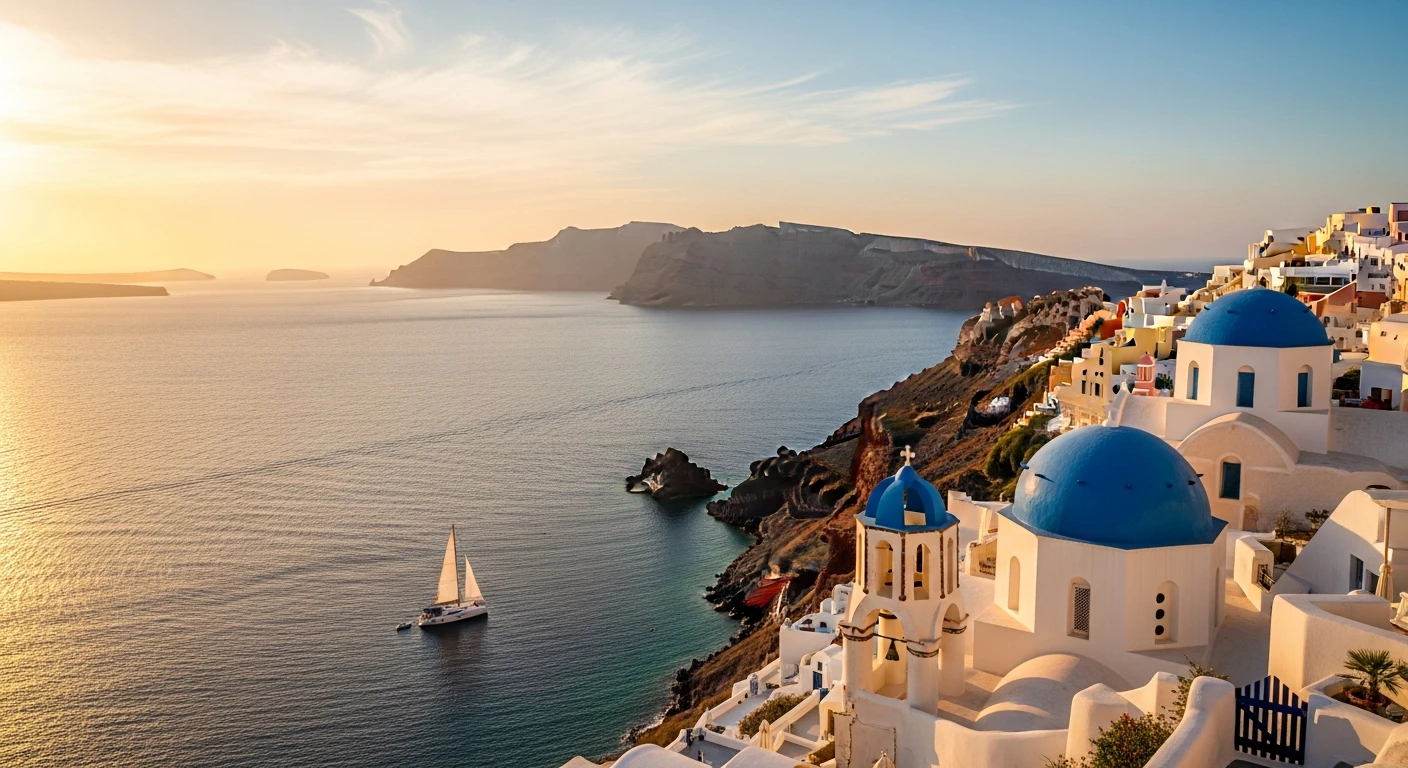
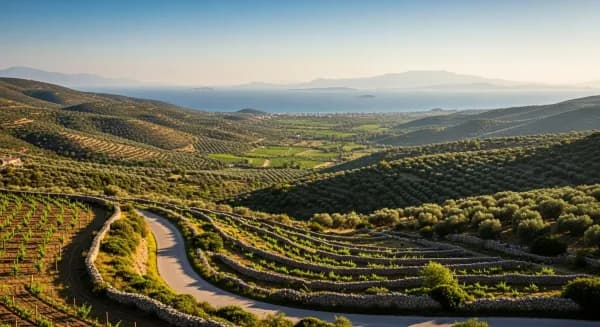
The Aegean Sea, nestled between the coastlines of Greece and Turkey, is a mesmerizing stretch of water that has played a pivotal role in shaping ancient civilizations. Its azure waves have witnessed the rise and fall of empires, from the Minoans to the Byzantines, each leaving an indelible mark on the region's culture and history. The Aegean's numerous islands, each with its unique charm and story, dot the landscape like jewels, offering a diverse array of experiences for travelers.
Geographically, the Aegean Sea is part of the Mediterranean Sea and is bordered by the Greek mainland to the west and north, and Turkey to the east. It encompasses several island groups, including the Cyclades, the Dodecanese, and the North Aegean Islands. Each group boasts its own distinct geography and cultural heritage, from the volcanic landscapes of Santorini to the lush forests of Samos.
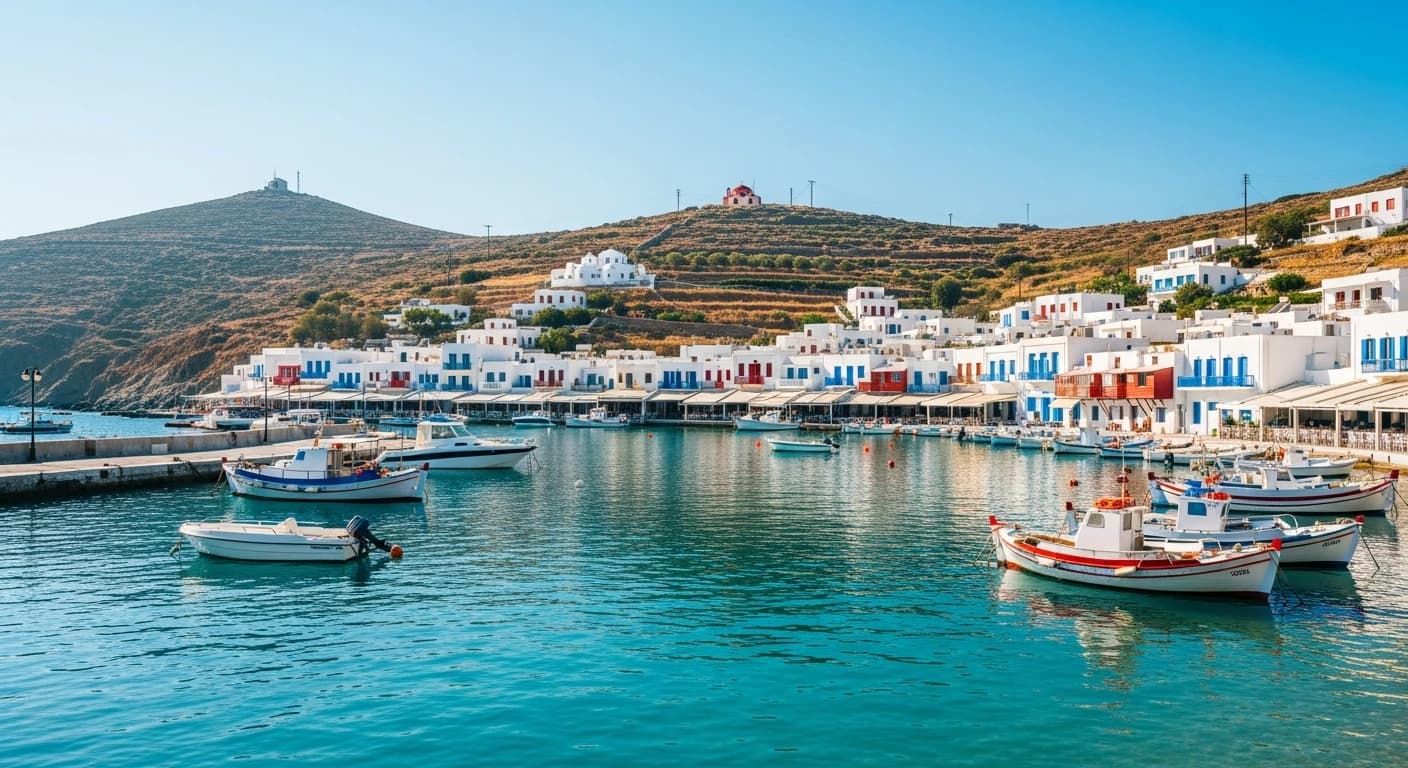
The vibe of the Aegean is a captivating blend of ancient mystery and contemporary vibrancy. The islands are a tapestry of whitewashed buildings, blue-domed churches, and narrow winding streets, where the past and present coexist harmoniously. Whether you're exploring the ruins of ancient cities or enjoying a sunset at a chic beach bar, the Aegean Sea offers a unique blend of relaxation and adventure, making it a must-visit destination in Greece.
When visiting the Aegean Sea, choosing the right accommodation is crucial to enhancing your travel experience. For those seeking luxury, the island of Mykonos is renowned for its high-end resorts and villas that offer stunning views of the sea. Areas like Psarou and Ornos are particularly popular for their upscale lodgings and vibrant nightlife, providing a perfect blend of relaxation and entertainment.
On the other hand, budget travelers can find a wealth of options throughout the Aegean islands. The island of Naxos offers affordable accommodations, with charming guesthouses and budget-friendly hotels in areas like Agios Prokopios. Here, travelers can enjoy the authentic Greek island experience without breaking the bank.
For a balance of both luxury and affordability, consider staying in Santorini. While known for its luxurious cliffside hotels, the island also offers a range of mid-range accommodations, particularly in areas like Fira and Oia. Regardless of your budget, the Aegean Sea ensures a memorable stay with its wide array of lodging options.
Navigating the Aegean Sea like a local involves understanding the intricate network of ferries that connect the islands. The ferry system is the lifeline of the Aegean, providing regular services between major islands and the mainland. High-speed ferries are available for those looking to minimize travel time, while conventional ferries offer a more leisurely pace, allowing time to soak in the breathtaking sea views.
On the islands themselves, local buses are an affordable and efficient way to explore. They frequently run between main towns and popular beaches. Renting a scooter or a car is another popular option, providing the freedom to discover hidden spots at your own pace. In Greece, driving is on the right side, and roads can be narrow, so cautious driving is advised.
Beyond the famous islands, the Aegean Sea is brimming with lesser-known gems waiting to be explored. The island of Amorgos offers untouched beauty and tranquility, with its rugged landscapes and clear waters ideal for hikers and divers alike. The Monastery of Hozoviotissa, perched on a cliff, provides a stunning panoramic view of the Aegean.
Samos, with its lush greenery and ancient ruins, is another hidden treasure. The island is home to the Heraion of Samos, a UNESCO World Heritage Site, and the Tunnel of Eupalinos, an ancient aqueduct and engineering marvel. These sites offer a glimpse into the rich historical tapestry that Greece is renowned for.
For a unique cultural experience, visit the island of Ikaria, known for its laid-back lifestyle and the longevity of its residents. Here, time seems to stand still, offering a rare opportunity to experience Greece at its most authentic and unhurried pace.
The Aegean Sea's allure is timeless, but the best time to visit depends on what you seek from your journey. Spring (April to June) is ideal for those looking to explore the islands with fewer crowds and mild weather. The landscape is lush and vibrant, perfect for hiking and sightseeing.
Summer (July to August) is the peak tourist season, characterized by hot, sunny days and lively nightlife. This is the best time for beach lovers and those looking to experience the vibrant energy of Greek festivals and events.
Autumn (September to October) offers a more relaxed atmosphere, with warm weather lingering and the sea still inviting for swimming. This period is perfect for travelers wanting to enjoy the islands without the summer rush.
The Aegean Sea experiences a Mediterranean climate, with hot, dry summers and mild, wet winters. In January, temperatures can range from 10°C to 15°C, with occasional rain and wind.
By April, the weather becomes milder, with temperatures rising to 20°C, making it an excellent time for outdoor activities. June ushers in the summer heat, with temperatures often reaching 30°C, ideal for sunbathing and water sports.
In September, the weather remains warm, with temperatures around 25°C, making it a pleasant time for beach activities and exploration. November marks the onset of cooler temperatures and increased rainfall, signaling the end of the tourist season.
The Aegean Sea is a cultural melting pot, rich in traditions and vibrant festivals that reflect the unique heritage of Greece. The islands are famous for their hospitality, known as 'philoxenia,' where visitors are warmly welcomed into the local communities.
One of the most prominent festivals is the 'Panigiri,' a traditional celebration that takes place across the Aegean islands. These festivals, often dedicated to patron saints, feature music, dance, and abundant local delicacies, offering an authentic taste of Greek culture.
Etiquette in the Aegean is deeply rooted in respect and hospitality. When visiting churches or monasteries, modest dress is expected. It's customary to greet locals with a warm smile and a friendly 'Kalimera' (Good morning) or 'Kalispera' (Good evening), embodying the welcoming spirit of Greece.
The culinary landscape of the Aegean Sea is a delectable journey through Greece's rich gastronomic heritage. Must-eat dishes include 'Moussaka,' a layered casserole of eggplant, minced meat, and béchamel sauce, and 'Souvlaki,' skewered and grilled meat served with pita bread and tzatziki.
Fresh seafood is a staple, with octopus, calamari, and sea bass frequently gracing the menus of seaside tavernas. 'Choriatiki,' the classic Greek salad, is a refreshing mix of tomatoes, cucumbers, olives, and feta cheese, drizzled with olive oil.
The Aegean islands are also known for their local specialties, such as 'Loukoumades' (honey-soaked doughnuts) and 'Rakomelo,' a warming drink made from raki and honey, perfect for enjoying Greece's culinary delights.
The Aegean Sea is replete with iconic landmarks and attractions that showcase the rich history and natural beauty of Greece. One must-visit is the Acropolis of Lindos on Rhodes, an ancient citadel offering panoramic views of the sea and an insight into the island's classical past.
Santorini's Caldera is another breathtaking attraction, formed by a volcanic eruption thousands of years ago. The dramatic cliffs and stunning sunsets make it a favorite among photographers and romantics alike.
The ancient city of Ephesus, accessible via a short ferry ride from the Aegean islands, is a remarkable site with well-preserved ruins, including the Library of Celsus and the Great Theatre, offering a glimpse into the grandeur of ancient Greece and Rome.
Delos, a tiny island near Mykonos, is a UNESCO World Heritage Site and an archaeological treasure trove. Once a thriving religious center, it is home to impressive ruins, such as the Terrace of the Lions and the Temple of Apollo.
Lastly, the Monastery of St. John on Patmos is a significant pilgrimage site, believed to be where St. John wrote the Book of Revelation. The monastery's stunning architecture and religious significance make it a must-visit for history and architecture enthusiasts exploring Greece.
Nearby places worth adding to your itinerary.
Top stays in Aegean Sea picked for comfort, value, and great guest reviews.