
Akishima
Explore stays
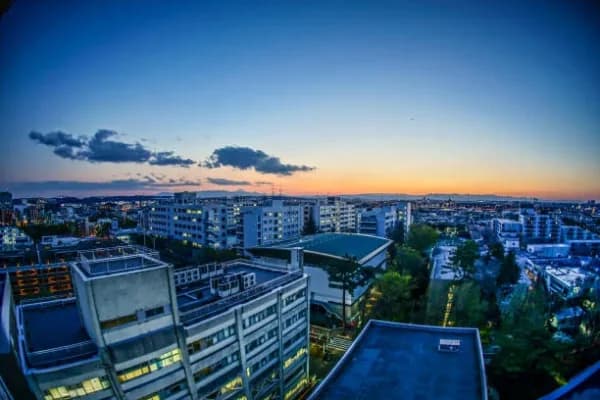
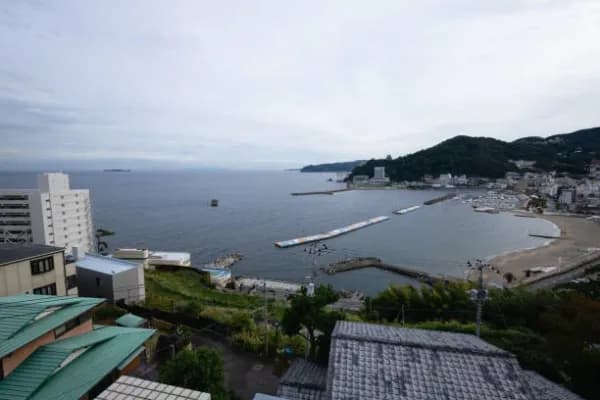
Ageoshimo, a captivating neighborhood in the heart of Tokyo, embodies the rich tapestry of Japan's culture and history. This area, once a quiet fishing village, has transformed into a bustling locale, seamlessly blending tradition and modernity. The name 'Ageoshimo' translates to 'Rising Tide,' a nod to the area's coastal roots, which can still be felt today through its vibrant waterfront.
Geographically, Ageoshimo is nestled along the Sumida River, providing picturesque views and a refreshing vibe. Its strategic location allows easy access to downtown Tokyo while retaining a sense of local charm. The streets are lined with quaint shops, family-run restaurants, and parks that echo with the laughter of children playing. The neighborhood's vibe is a delightful mix of high-energy urban life and serene natural beauty, inviting visitors to explore its hidden corners.
This area has witnessed significant historical events, including the Edo period, when it served as a crucial trade route. The remnants of this history are visible in the architecture and local festivals, which celebrate Ageoshimo's heritage. As you stroll through the streets, you'll encounter ancient shrines and modern art installations, showcasing the neighborhood's evolution. With a welcoming atmosphere and a myriad of experiences to offer, Ageoshimo is an essential stop for anyone exploring Tokyo.
When visiting Ageoshimo, accommodation options range from luxurious hotels to budget-friendly hostels, catering to every type of traveler. For those seeking a lavish experience, the Riverside Hotel Tokyo offers stunning views of the Sumida River and first-class amenities, including an on-site spa and gourmet dining options.
For budget-conscious travelers, consider staying at local guesthouses or hostels, such as Ageoshimo Inn, which provides a cozy and friendly atmosphere. These budget options are ideal for solo travelers or groups looking to immerse themselves in local culture without breaking the bank. Additionally, Airbnb offers various rentals, from traditional ryokans to modern apartments, perfect for those wanting a home-like experience.
Choosing the right location within Ageoshimo can enhance your visit. Staying near the waterfront not only offers beautiful views but also convenient access to local attractions and eateries. Whether you opt for luxury or budget accommodations, Ageoshimo ensures a comfortable stay amidst the vibrant essence of Tokyo.
Navigating Ageoshimo and greater Tokyo is an adventure in itself. The Tokyo Metro and JR East train services provide efficient and punctual transportation options. The closest station to Ageoshimo is Ageoshimo Station, which connects seamlessly with major lines such as the Hibiya Line and the Yamanote Line, allowing travelers to explore the city effortlessly.
For a more localized experience, consider renting a bicycle. The flat terrain and dedicated bike lanes make cycling around Ageoshimo enjoyable. Alternatively, the city’s buses are frequent and offer a unique way to experience the local neighborhood vibe. Downloading the Tokyo transit app can further simplify your journey, ensuring you navigate like a true Tokyoite.
While Ageoshimo itself is a gem, the surrounding areas boast a plethora of hidden treasures worth exploring. Just a short train ride away is Asakusa, home to the iconic Senso-ji Temple, where you can witness traditional Buddhist practices and shop for souvenirs.
Another nearby excursion is the Yanaka district, known for its old-world charm and traditional architecture. Here, you can wander through narrow streets lined with artisan shops and enjoy local snacks from street vendors.
Additionally, the Ueno Park area offers not only a beautiful park but also museums like the Tokyo National Museum, showcasing Japan's art and history. Nature lovers might also enjoy a day trip to the nearby Sumida Aquarium, which is home to fascinating aquatic exhibits, perfect for families and aquatic enthusiasts alike.
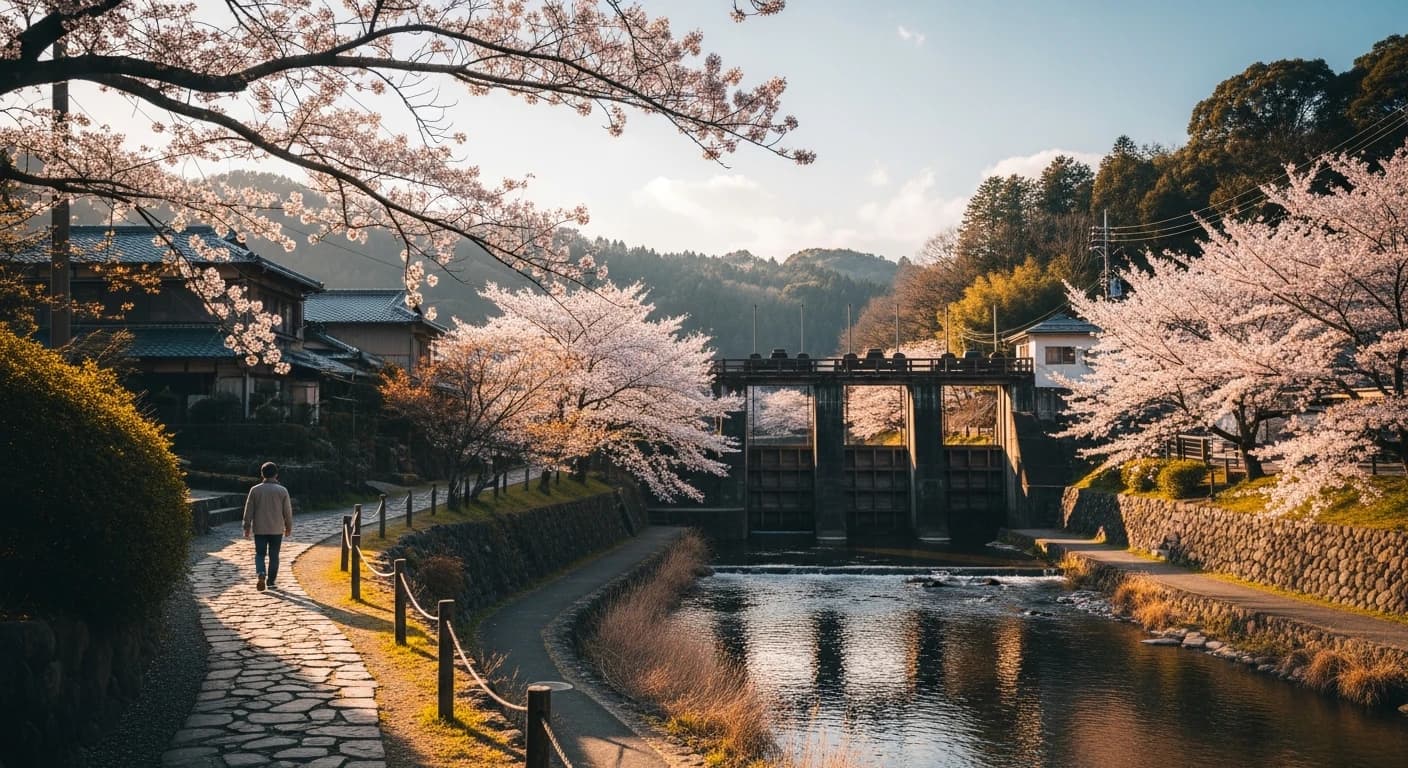
The best time to visit Ageoshimo is during the spring (March to May) and autumn (September to November) seasons. During spring, cherry blossoms bloom, transforming the neighborhood into a picturesque landscape, ideal for hanami (flower viewing) picnics along the riverbanks.
Autumn, on the other hand, offers a stunning display of fall foliage, with vibrant reds and oranges adorning the streets and parks. Winter months (December to February) can be chilly, but the festive atmosphere, especially around New Year's, offers a unique cultural experience.
Summer (June to August) can be hot and humid, but it’s also when many local festivals occur, showcasing traditional Japanese culture through music, dance, and food.
Tokyo experiences a temperate climate, with distinct seasons. In January, temperatures can drop to around 2°C (36°F), making it the coldest month. February sees a slight rise, averaging 5°C (41°F). As spring approaches in March, temperatures gradually increase to about 10°C (50°F), reaching 15°C (59°F) in April.
May brings pleasant weather at around 20°C (68°F), ideal for outdoor activities. Summer months (June to August) can get quite hot, with average temperatures ranging from 25°C (77°F) to 32°C (90°F). September marks the start of autumn, with temperatures cooling down to around 23°C (73°F), while October and November offer crisp, cool air, averaging 15°C (59°F) to 10°C (50°F).
Winter returns in December, bringing temperatures around 5°C (41°F), but the absence of heavy snowfall makes it manageable for outdoor exploration.
The culture of Ageoshimo is a delightful blend of traditional Japanese values and modern influences. Festivals play a crucial role in the community's social fabric, with events such as the Ageoshimo Matsuri attracting visitors from all over Tokyo. This festival, celebrated in July, features traditional music, dance performances, and food stalls, creating a lively atmosphere filled with joy and community spirit.
The people of Ageoshimo are known for their warmth and hospitality, often going out of their way to assist visitors. Etiquette is essential in Japanese culture; greetings such as bowing and using polite language are appreciated. When dining, it is customary to say "itadakimasu" before meals and "gochisousama deshita" afterward to express gratitude.
This cultural depth is reflected in the neighborhood's architecture, art, and culinary practices, offering visitors a glimpse into the vibrant life of Tokyo while fostering respect and understanding of local customs.
Tokyo’s culinary scene is renowned worldwide, and Ageoshimo is no exception. Traditional dishes such as sushi, ramen, and tempura can be found in abundance, each with its own unique twist. The neighborhood is particularly famous for its fresh seafood, thanks to its historical ties to fishing.
Don’t miss out on trying "soba," a type of buckwheat noodle served either hot or cold. Local eateries often serve soba with a variety of toppings, making it a versatile dish. Another must-try is "yakitori," skewered and grilled chicken, which is a favorite amongst locals, especially during festivals.
Many restaurants pride themselves on using locally sourced ingredients, showcasing the freshness and quality of Japanese cuisine. The culinary history of Ageoshimo is deeply rooted in the community's traditions, reflecting the harmonious relationship between nature and food.
1. Senso-ji Temple: As Tokyo's oldest temple, Senso-ji is a must-visit landmark. The temple's iconic Kaminarimon Gate and bustling Nakamise shopping street offer a glimpse into Japan's spiritual and commercial life.
2. Tokyo Skytree: Standing at 634 meters, this iconic broadcasting tower is one of Tokyo's most famous landmarks. Visitors can enjoy breathtaking panoramic views of the city from its observation decks.
3. Sumida Aquarium: Located within the Tokyo Skytree Town, this aquarium features a diverse range of aquatic life from around the world, offering a family-friendly experience with interactive exhibits.
4. Ueno Park: A sprawling urban park home to museums, a zoo, and beautiful cherry blossoms in spring. Ueno Park is perfect for leisurely strolls and cultural exploration.
5. Yanaka District: A charming area that survived the bombings of World War II, Yanaka retains a nostalgic atmosphere with its old temples, traditional houses, and artisan shops, making it a delightful area to explore.
Nearby places worth adding to your itinerary.
Top stays in Ageoshimo picked for comfort, value, and great guest reviews.