Aigues-Mortes
Explore stays
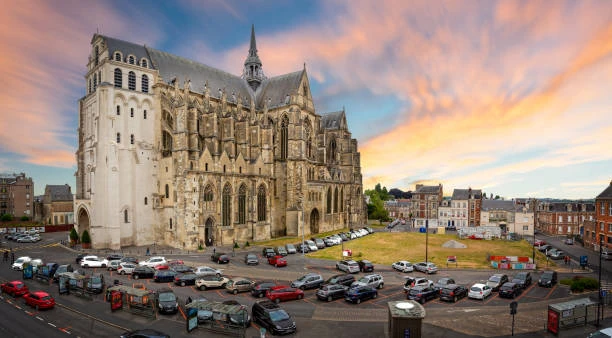
Nestled in the northern part of France, Aisne is a department rich in history and natural beauty. Established in 1790, Aisne derives its name from the Aisne River, which gracefully flows through the region. This picturesque area, bordered by the iconic regions of Picardy and Champagne-Ardenne, is dotted with charming villages, lush countryside, and remnants of its storied past.
Historically, Aisne played a pivotal role during both World Wars, making it a significant site for military history enthusiasts. The Battle of the Aisne in 1914 marked a crucial point in World War I, and today, you can explore numerous memorials and cemeteries that honor the sacrifices made during this tumultuous time. The region’s geography is characterized by rolling hills, sprawling forests, and fertile plains, making it a haven for outdoor activities and exploration.
The vibe of Aisne is a blend of tranquility and historical gravitas. Visitors are often captivated by the slow-paced lifestyle, friendly locals, and the chance to experience authentic French culture away from the tourist traps of larger cities. Aisne is not merely a stopover; it invites travelers to immerse themselves in its rich tapestry of stories and landscapes.
When planning your stay in Aisne, you have a variety of options that cater to different budgets and preferences. The capital city, Laon, offers a range of accommodations from luxurious hotels to charming bed-and-breakfasts. For a touch of elegance, consider the Hôtel Ibis Styles Laon, which features modern amenities and stunning views of the city’s medieval architecture.
If you're seeking a more budget-friendly option, numerous guesthouses and hostels are available throughout the region. Areas like Saint-Quentin and Soissons provide affordable yet comfortable stays, allowing visitors to experience local hospitality without breaking the bank. The key is to book early, especially during peak tourist seasons, to secure the best deals.
Aisne's public transportation system is efficient and user-friendly, making it easy for travelers to navigate the region like a local. The SNCF trains connect major towns and cities, with frequent services between Laon, Saint-Quentin, and Soissons.
Buses also operate within the department, providing access to smaller villages and attractions. For those who prefer a more personal experience, renting a bicycle is a delightful way to explore the scenic countryside at your own pace.
Beyond the main attractions in Aisne, several hidden gems await exploration. The picturesque village of Coucy-le-Château is a must-visit, known for its stunning medieval castle ruins that command a breathtaking view of the surrounding landscape.
For nature lovers, the Forêt de Saint-Gobain offers miles of hiking trails amidst ancient trees and wildlife. Additionally, the charming town of La Fère, with its rich architectural heritage, provides a glimpse into the region's past. These excursions allow visitors to discover the lesser-known aspects of Aisne’s vibrant culture and history.
The best time to visit Aisne largely depends on your preferences for weather and activities. Spring (March to May) is particularly beautiful, as the flowers bloom and the countryside comes alive with vibrant colors. This is an ideal time for outdoor activities and exploring historical sites.
Summer (June to August) brings warm temperatures and numerous festivals, making it the peak tourist season. Autumn (September to November) offers a quieter experience, with stunning fall foliage and harvest festivals. Winter (December to February) is cold but magical, especially around Christmas, with opportunities for cozy indoor activities.
Aisne experiences a temperate oceanic climate, characterized by mild summers and cool winters. In January, temperatures can drop to around 1°C (34°F), while July can see highs of up to 25°C (77°F). Rainfall is fairly evenly distributed throughout the year, so packing an umbrella is always a good idea.
February is still chilly, with occasional snowfall, while March begins to warm up, signaling the arrival of spring. By May, temperatures are pleasant, averaging around 17°C (63°F). Autumn months like September and October are delightful, with mild weather and colorful landscapes, while November ushers in the chill of winter once again.
Aisne is a region steeped in culture, boasting a rich tapestry of festivals and traditions. The annual Laon Festival, celebrated in July, showcases local music, art, and gastronomy, drawing visitors from near and far. Additionally, the vibrant Fête de la Saint-Jean in early summer is marked by bonfires and local festivities, providing insight into Aisne’s communal spirit.
The people of Aisne are known for their warmth and hospitality, often eager to share stories and traditions with visitors. Etiquette is important; greetings are typically warm, and a simple “Bonjour” goes a long way. Dining customs are also significant; it’s customary to wait for the host to begin the meal before you start eating.
The culinary scene in Aisne reflects its agricultural roots, with an emphasis on fresh, local products. Must-try dishes include 'Pâté de Canard,' a duck pâté that embodies the region's flavor. Another favorite is 'Tarte au Maroilles,' a savory tart made with the local Maroilles cheese, known for its strong aroma.
Additionally, Aisne is famous for its artisanal wines, particularly those from the Champagne region, which are perfect for pairing with meals. The culinary history here is rich, influenced by both rustic peasant traditions and refined French gastronomy, making dining an integral part of your Aisne experience.
Aisne is home to several remarkable tourist attractions that encapsulate its historical and cultural essence. One of the highlights is the Laon Cathedral, a stunning example of Gothic architecture, known for its intricate facades and breathtaking stained glass windows. Visitors can ascend the bell tower for panoramic views of the city.
Another must-see landmark is the Fort de Condé, a well-preserved fortification that played a significant role during the Franco-Prussian War. Guided tours provide insight into its military history and strategic importance.
The Second Battle of the Aisne Memorial is a poignant site, commemorating those who lost their lives during World War I. The serene atmosphere encourages reflection and remembrance.
Also worth visiting is the Château de Coucy, whose ruins tell tales of medieval life and conflict. Finally, the picturesque town of Saint-Quentin, with its stunning Art Deco buildings and vibrant market, offers a delightful blend of history and modernity, ensuring visitors leave with lasting memories.
Nearby places worth adding to your itinerary.
Top stays in Aisne picked for comfort, value, and great guest reviews.