
Destination
Explore stays
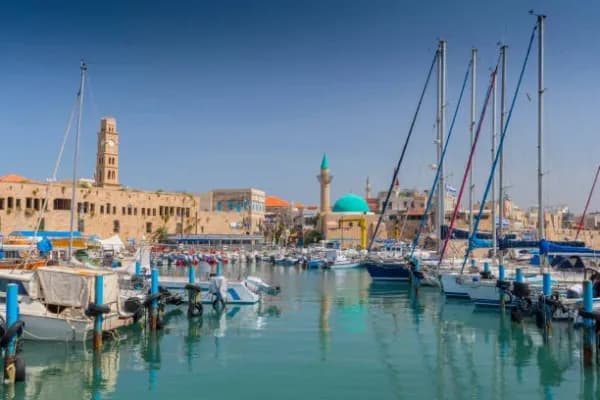
Al Fujairah, a captivating gem nestled in the eastern coast of the United Arab Emirates (UAE), is part of the historical town of Dibba. Known for its stunning landscapes, rich cultural heritage, and serene beaches, Al Fujairah stands as a testament to the UAE's diverse history. This region has been inhabited for centuries, with archaeological findings indicating human settlements dating back to the 3rd millennium BCE. The strategic location along the Gulf of Oman has historically made it a vital trading hub, connecting the Arabian Peninsula with India and beyond.
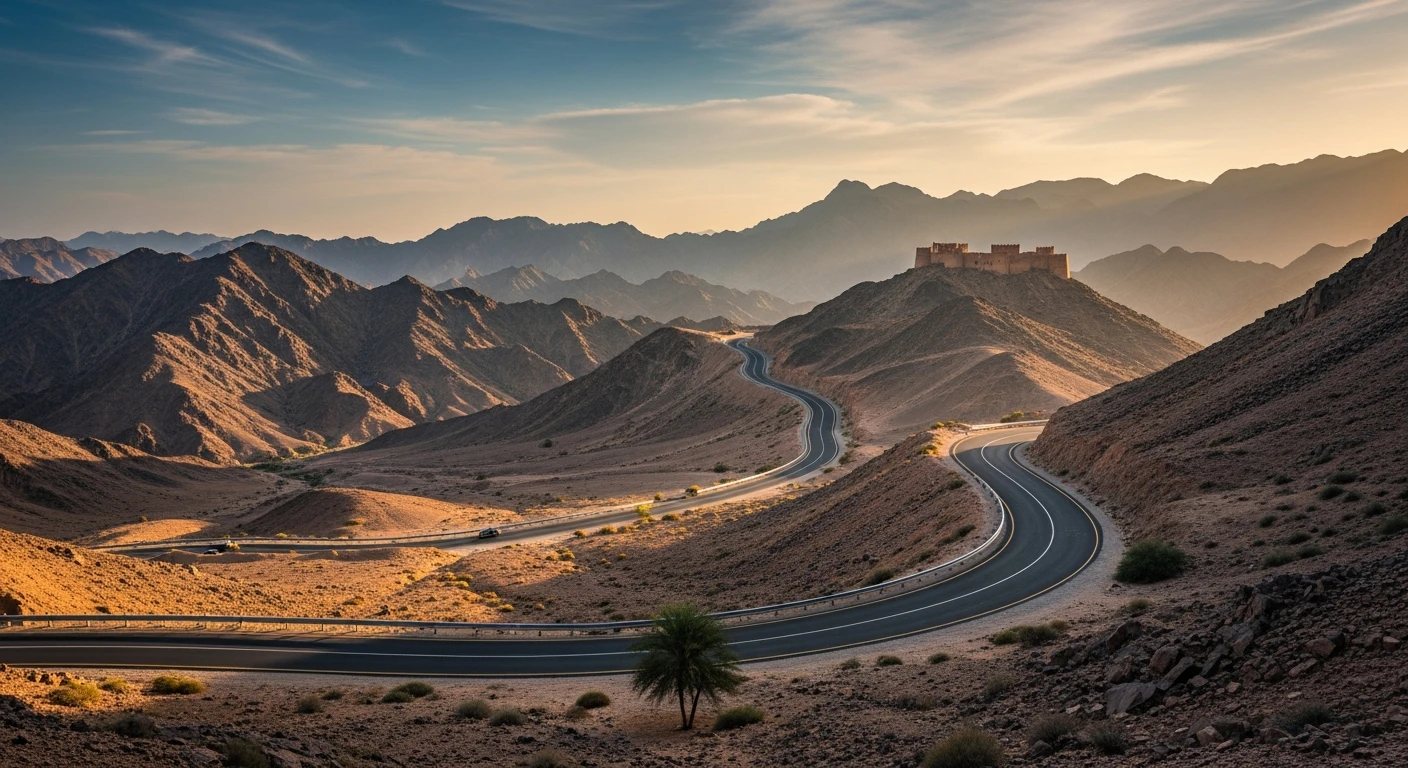
The geography of Al Fujairah is equally fascinating, characterized by the rugged Hajar Mountains that rise dramatically from the coastline, providing breathtaking views and diverse ecosystems. The vibe here is a refreshing blend of traditional Emirati culture and the modernity that the UAE is famous for. Visitors will find themselves enveloped in the warm hospitality of the locals, who take immense pride in their cultural heritage. The bustling markets, traditional souks, and the sound of the call to prayer echoing through the streets add to the authenticity of the experience.
When it comes to accommodations in Dibba, Al Fujairah offers a variety of options catering to different budgets and preferences. For travelers seeking luxury, resorts like the Le Meridien Al Aqah Beach Resort provide opulent amenities, including private beaches, infinity pools, and exquisite dining options with stunning views of the Gulf. These resorts often host wellness retreats, offering spa treatments that incorporate traditional Middle Eastern techniques.
For budget-conscious travelers, the Al Fujairah region does not disappoint. There are several affordable hotels and guesthouses in Dibba that provide clean and comfortable lodging without breaking the bank. Places like the Miramar Al Aqah Beach Resort offer reasonable rates and access to beautiful beaches, making them popular among backpackers and families alike. Whether you choose luxury or budget, staying in Dibba allows for easy access to the beautiful landscapes and cultural sites in and around Al Fujairah.
Navigating through Dibba and Al Fujairah like a local can be a rewarding experience. While public transportation options are limited, taxis are readily available and provide an affordable means of getting around. It is advisable to agree on a fare before the ride, as not all taxis use meters. For the more adventurous traveler, renting a car is a fantastic option that allows for freedom in exploring the hidden treasures of the region at your own pace.
Bicycles can also be rented in some areas, offering a unique way to take in the scenic coastal views and explore local markets. The roads are generally in good condition, and driving through the mountainous terrains of Al Fujairah can be an exhilarating experience.
Beyond the immediate beauty of Al Fujairah, there are numerous hidden gems waiting to be discovered in the surrounding areas. One must-visit site is the historic village of Bithnah, located just a short drive from Dibba. This quaint village features traditional mud-brick houses and offers breathtaking views of the Hajar Mountains.
The nearby Wadi Wurayah National Park is another excursion that nature enthusiasts will appreciate. This protected area is home to unique flora and fauna, with opportunities for hiking, bird-watching, and exploring natural springs. For beach lovers, the isolated sandy shores of Snoopy Island offer a tranquil escape, perfect for snorkeling and diving amidst vibrant coral reefs.
The best time to visit Al Fujairah in Dibba is during the cooler months from October to April. During this period, daytime temperatures range from a pleasant 25°C to 30°C (77°F to 86°F), making it ideal for outdoor activities and beach visits. The months of December and January are particularly popular among tourists, as the weather is at its most comfortable and the region hosts various cultural festivals.
However, visiting during the summer months, from May to September, can be challenging due to high temperatures that can soar above 40°C (104°F). If you choose to travel during this time, be prepared for a more leisurely pace, focusing on indoor activities and evening outings.
The weather in Al Fujairah varies significantly throughout the year, influencing the travel experience. In January, the average temperature hovers around 20°C (68°F), offering a cool and pleasant atmosphere. As spring approaches in March, temperatures gradually rise to about 25°C (77°F), making it a great time for outdoor exploration.
Summer months, particularly July and August, are characterized by intense heat, with temperatures reaching up to 43°C (109°F). However, the presence of the nearby sea provides some relief. In contrast, autumn brings back the cooler climate in October, with temperatures averaging around 30°C (86°F) again, welcoming a wave of tourists eager to enjoy the beaches and outdoor activities.
The culture of Al Fujairah in Dibba is steeped in tradition and warmth, showcasing the rich heritage of the Emirati people. Festivals play a significant role in the local culture, with events like Eid al-Fitr and Eid al-Adha celebrated with great enthusiasm. The vibrant souks come alive during these times, filled with colorful textiles, handicrafts, and traditional sweets.
The people of Dibba are known for their hospitality and friendliness, often welcoming visitors with open arms. It’s customary to greet locals with a smile and a polite “salam” (peace). Respecting local customs and traditions is essential, such as dressing modestly, especially in public spaces and during religious observances. Engaging with the local community through cultural events or workshops can enhance your experience and provide deeper insights into their way of life.
The culinary scene in Al Fujairah is a delightful reflection of the region's history and cultural diversity. Traditional Emirati dishes are a must-try, with favorites like Al Harees and Machboos showcasing the rich flavors of the region. Al Harees, a dish made from wheat and meat, is often prepared during festive occasions and is deeply rooted in Emirati traditions.
Another local delicacy is Machboos, a spiced rice dish often served with chicken or fish that encapsulates the essence of Arab cuisine. The local markets in Dibba are filled with tantalizing aromas, and it is highly recommended to indulge in street food offerings, such as Shawarma and Falafel, which are popular among both locals and visitors.
Al Fujairah boasts several captivating tourist attractions that draw visitors from around the world. One of the most notable is the Al Fujairah Fort, built in the 16th century, which stands as a symbol of the region's historical significance. The fort offers panoramic views of the surrounding area and provides a glimpse into the past with its well-preserved architecture.
Another must-visit landmark is the Sheikh Zayed Mosque, an architectural marvel that showcases intricate designs and beautiful interiors. It serves as a place of worship and a cultural hub, often welcoming visitors to learn about Islamic practices and traditions.
The Dibba Heritage Village is yet another highlight, where visitors can explore traditional Emirati homes and crafts. This village offers a unique opportunity to understand the lifestyle of the locals and the significance of their customs.
Additionally, the Al Aqah Beach is a paradise for sunbathers and water sports enthusiasts, offering activities like snorkeling, diving, and jet skiing. Lastly, the Ain Al Madhab Gardens are perfect for families, featuring lush greenery, picnic spots, and playgrounds, making it a great place to relax and enjoy nature.
Nearby places worth adding to your itinerary.
Top stays in Al Fujairah picked for comfort, value, and great guest reviews.
Local guide picks to help you explore Al Fujairah better.