Chefchaouen
Explore stays
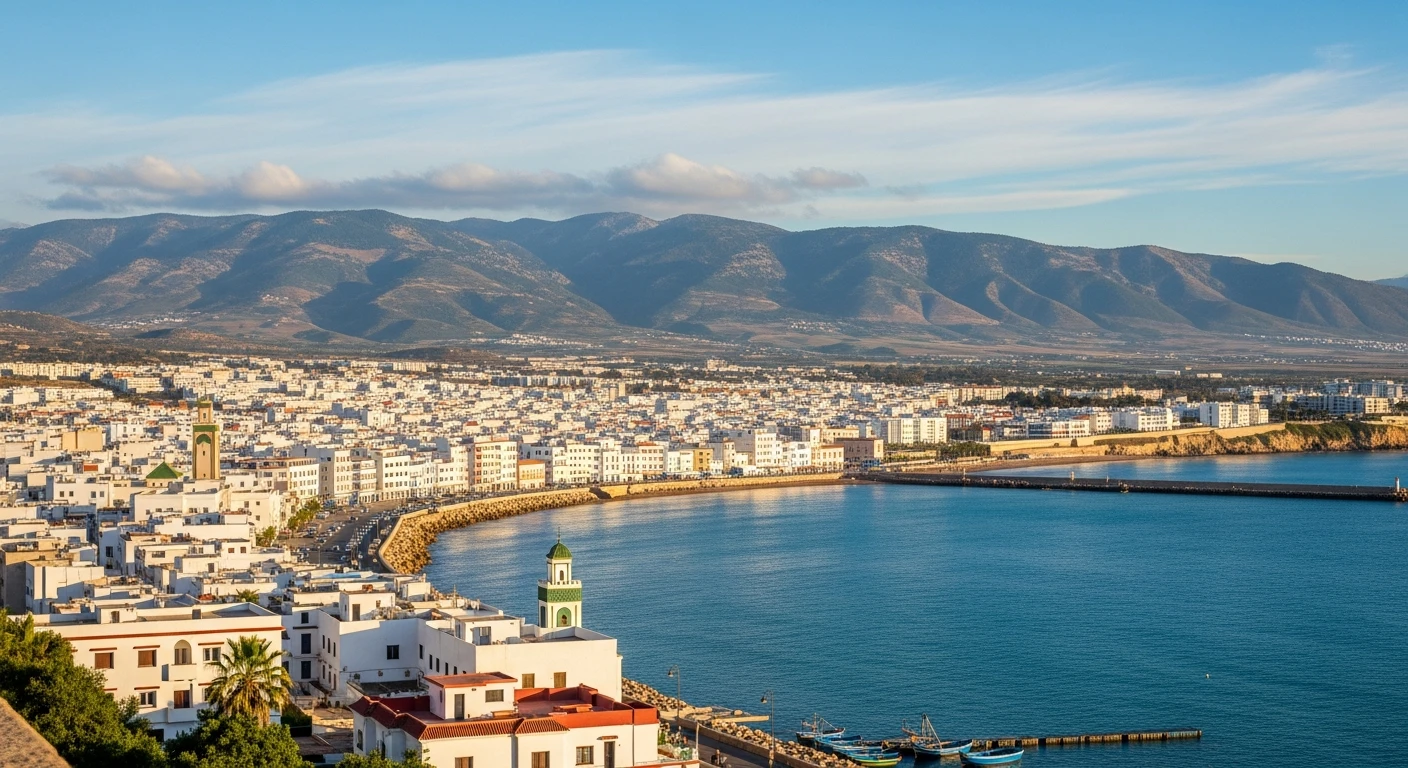
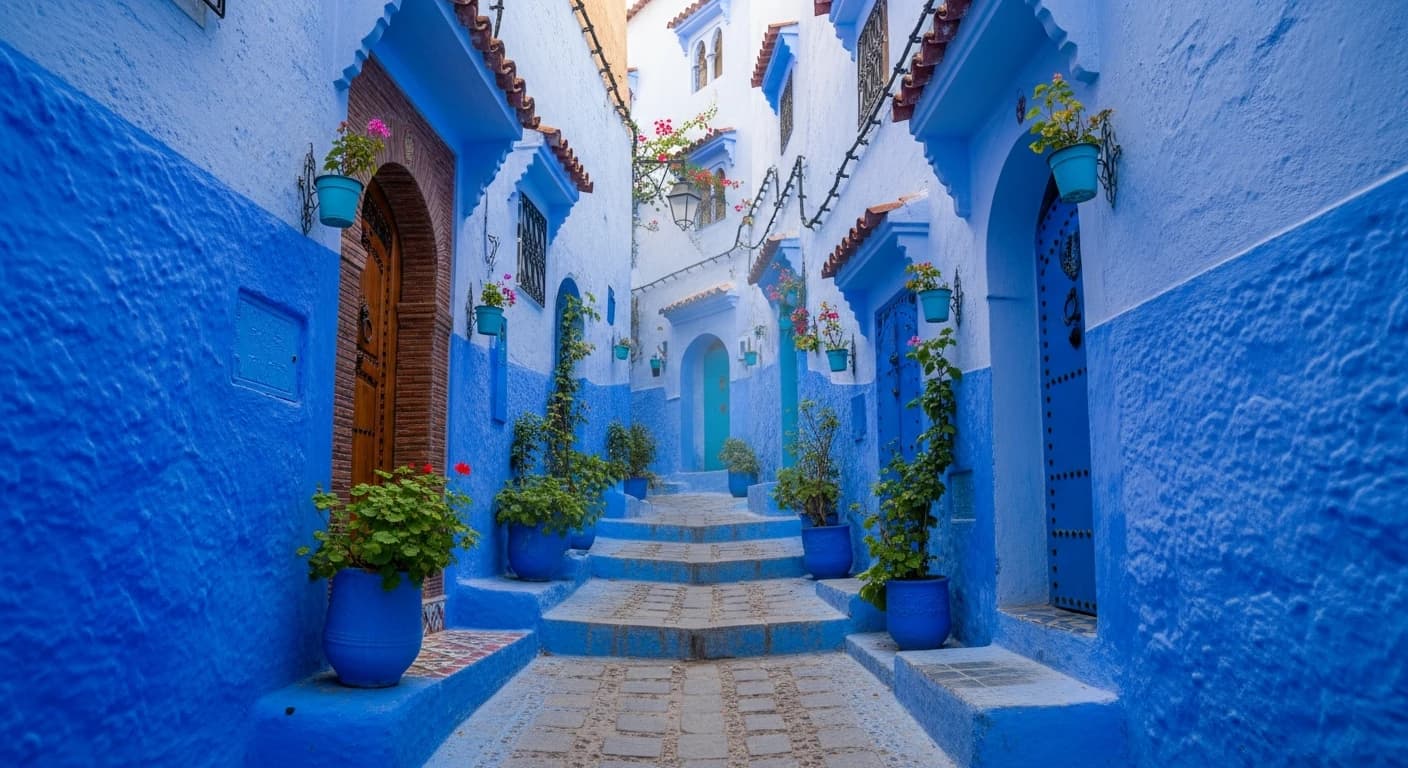
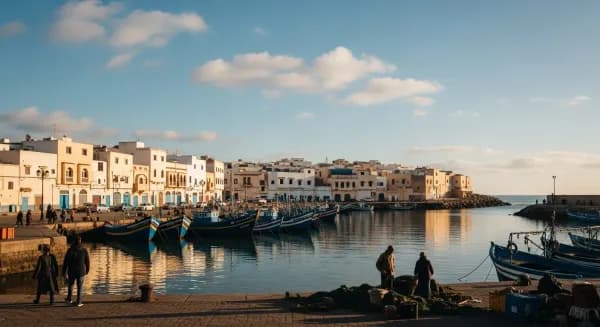
Al-Hoceima, a picturesque coastal city in the Tanger-Tétouan-Al Hoceima region of northern Morocco, is a hidden gem that offers a unique blend of Mediterranean charm and rich Berber culture. Nestled between the Rif Mountains and the azure waters of the Mediterranean Sea, Al-Hoceima is known for its stunning natural beauty and vibrant cultural tapestry.
The city's history is deeply intertwined with the Spanish Protectorate era, which has left a lasting influence on its architecture and urban planning. Originally established as a small fishing village, Al-Hoceima has grown into a bustling port city while retaining its quaint charm. The city's layout reflects a harmonious blend of traditional Moroccan and Spanish colonial styles, with narrow winding streets leading to bustling souks and serene beaches.
Visitors to Al-Hoceima can expect a laid-back vibe, where the pace of life is dictated by the gentle waves of the sea. The local community is predominantly Berber, and their warm hospitality is evident in every interaction. Al-Hoceima is a place where visitors can truly immerse themselves in the local culture, from sipping mint tea in a traditional café to exploring the vibrant markets filled with local crafts and produce.
Al-Hoceima offers a range of accommodation options to suit every budget and preference. For those seeking luxury, the city boasts several high-end hotels and resorts, particularly along the scenic Plage Sfiha. These establishments offer stunning views of the Mediterranean, along with world-class amenities such as spas, pools, and gourmet dining.
For budget-conscious travelers, the city center provides a variety of affordable guesthouses and hostels. Staying in the heart of Al-Hoceima allows visitors to experience the city's vibrant atmosphere up close, with easy access to local eateries and shops. Areas like the Boulevard Mohammed V are particularly popular among budget travelers for their convenience and affordability.
Getting around Al-Hoceima is relatively straightforward, with several options available for navigating the city like a local. The most common mode of transport is the petit taxi, which is ideal for short distances within the city. These taxis are easily recognizable by their blue color and are a convenient way to reach various attractions.
For those looking to explore the surrounding areas of Tanger-Tétouan-Al Hoceima, renting a car is a great option. This allows for greater flexibility and the opportunity to visit off-the-beaten-path locations at your own pace. Additionally, local buses connect Al-Hoceima to nearby towns and villages, providing an affordable way to explore the broader region.
Al-Hoceima serves as a perfect base for exploring the hidden gems of the Tanger-Tétouan-Al Hoceima region. One must-visit destination is the Al-Hoceima National Park, a stunning natural reserve that offers breathtaking views of the Mediterranean coastline and the Rif Mountains. The park is a haven for outdoor enthusiasts, with numerous hiking trails and opportunities for bird watching.
Another excursion worth considering is a trip to the nearby village of Ajdir, known for its rich cultural heritage and traditional Berber architecture. Visitors can explore the ancient kasbahs and enjoy the local hospitality. For those interested in history, a visit to the Spanish-built fortress of Torres de Alcala provides a fascinating glimpse into the region's colonial past.
The best time to visit Al-Hoceima and the broader Tanger-Tétouan-Al Hoceima region is during the spring and early autumn months, from April to June and September to October. During these periods, the weather is pleasantly mild, making it ideal for outdoor activities and sightseeing.
Summer, from July to August, is also a popular time to visit, especially for beach lovers. However, the temperatures can soar, and the city can become crowded with tourists. Winter, from December to February, is quieter and cooler, offering a more tranquil experience for those looking to escape the hustle and bustle.
Al-Hoceima enjoys a Mediterranean climate, characterized by hot, dry summers and mild, wet winters. In January, temperatures range from 8°C to 15°C, while July sees highs of up to 30°C. The city receives most of its rainfall between November and February, with January being the wettest month.
March marks the beginning of spring, with temperatures gradually rising and the landscape bursting into bloom. By May, the weather is warm and sunny, making it an excellent time for outdoor exploration. September and October offer similar conditions, with the added benefit of fewer tourists.
The culture of Al-Hoceima is a vibrant tapestry woven from Berber traditions, Spanish influences, and modern Moroccan elements. The people of Al-Hoceima are predominantly Berber, and their language, Tamazight, is widely spoken alongside Arabic and French.
Festivals play a significant role in the cultural life of Al-Hoceima and the broader Tanger-Tétouan-Al Hoceima region. The Amazigh New Year, celebrated in January, is a highlight, featuring traditional music, dance, and feasting. Another important event is the annual Al-Hoceima Festival, which showcases local arts and crafts, music performances, and culinary delights.
Visitors should be mindful of local customs and etiquette, such as dressing modestly and removing shoes when entering homes. The people of Al-Hoceima are known for their hospitality, and guests are often welcomed with a warm cup of mint tea, a symbol of friendship and respect.
The culinary scene in Al-Hoceima reflects the diverse influences of the Tanger-Tétouan-Al Hoceima region, with a focus on fresh, locally-sourced ingredients. Seafood is a staple, with dishes like grilled sardines and calamari being particularly popular.
One must-try dish is tagine, a slow-cooked stew that combines meat, vegetables, and aromatic spices. Couscous, often served with a variety of vegetables and meats, is another traditional favorite. For a sweet treat, visitors can indulge in pastries like baklava, which are often enjoyed with a cup of strong Moroccan coffee.
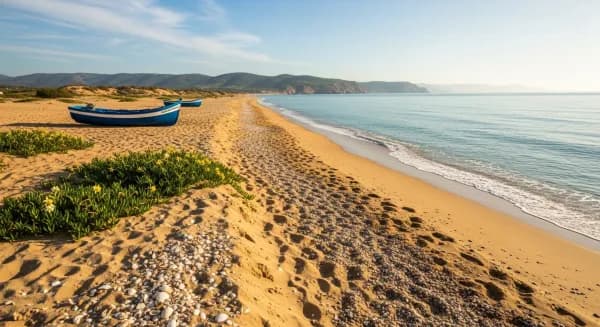
Plage Quemado is one of the most famous beaches in Al-Hoceima, known for its golden sands and crystal-clear waters. Nestled between rocky cliffs, this beach offers a serene escape and is ideal for swimming, sunbathing, and enjoying water sports.
Spanning over 48,000 hectares, Al-Hoceima National Park is a paradise for nature lovers. The park is home to diverse flora and fauna, including several endangered species. Visitors can explore its scenic trails, take boat tours along the coast, and enjoy breathtaking views of the Mediterranean Sea.
This historic fortress, built during the Spanish Protectorate era, offers a fascinating glimpse into the region's colonial past. The site provides panoramic views of the surrounding landscape and is a must-visit for history enthusiasts.
Located just a short drive from Al-Hoceima, Ajdir Village is renowned for its traditional Berber architecture and cultural heritage. Visitors can explore ancient kasbahs and enjoy the hospitality of the local community.
Sfiha Beach is a hidden gem located just outside the city. Its pristine sands and tranquil waters make it a perfect spot for relaxation. The beach is less crowded than Plage Quemado, offering a more peaceful experience.
Nearby places worth adding to your itinerary.
Top stays in Al-Hoceima picked for comfort, value, and great guest reviews.