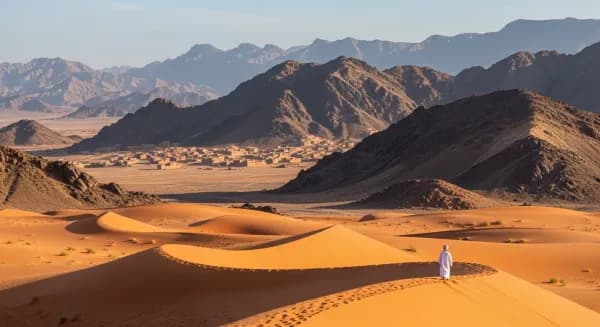
Ad Dakhiliyah
Explore stays
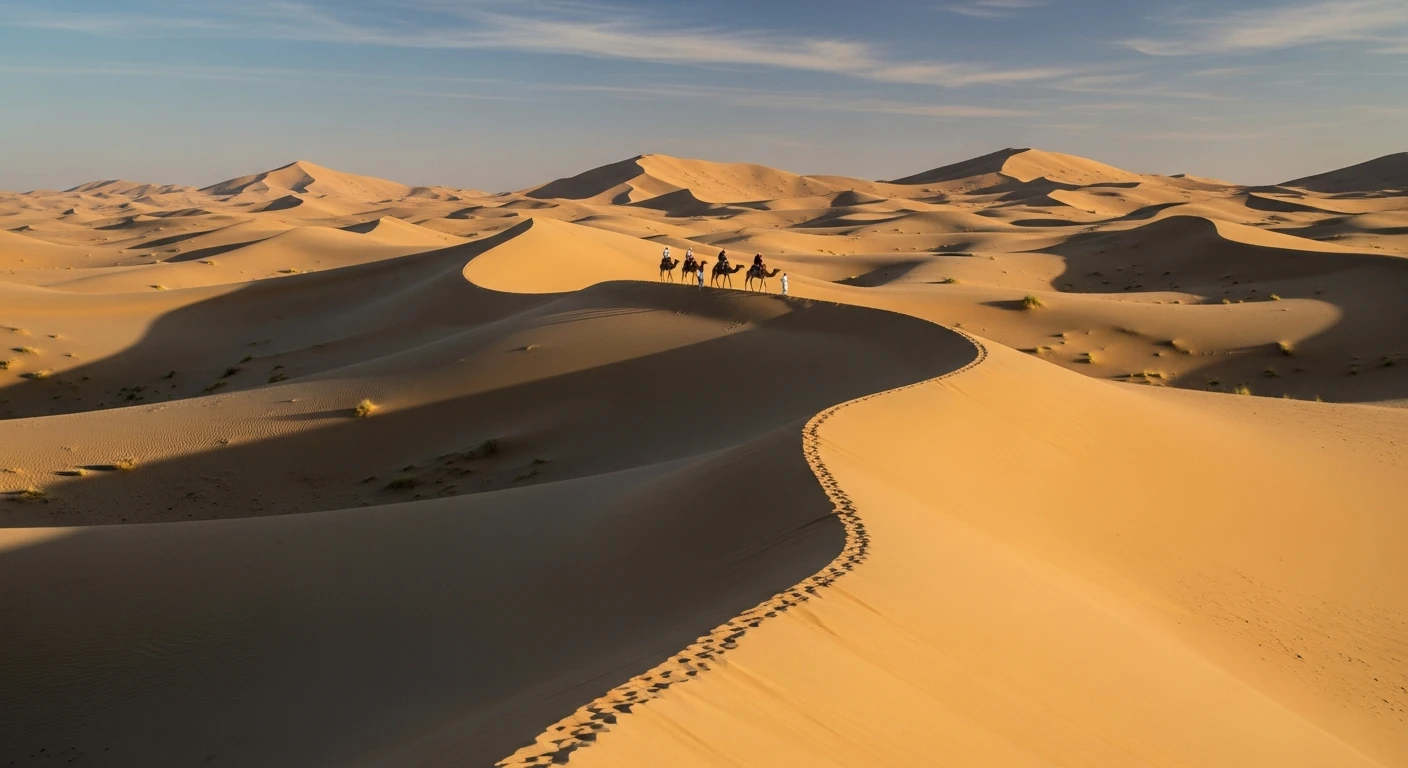
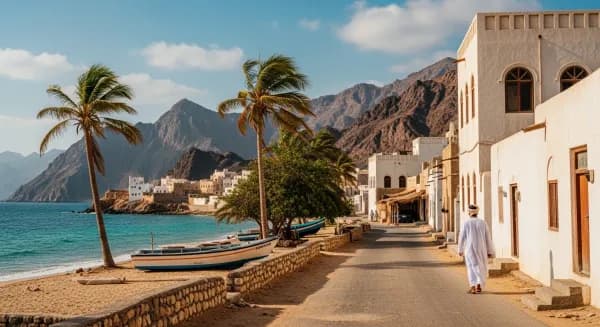
Al Sharqiyah, located in the eastern part of Oman, is a region rich in history and natural beauty, offering a unique blend of ancient traditions and modern developments. Known for its stunning coastline along the Arabian Sea and the majestic Hajar Mountains, Al Sharqiyah is a tapestry of contrasting landscapes. Historically, this region has been a crucial trade hub due to its strategic location, which facilitated the exchange of goods and culture between Oman and the rest of the Arabian Peninsula.
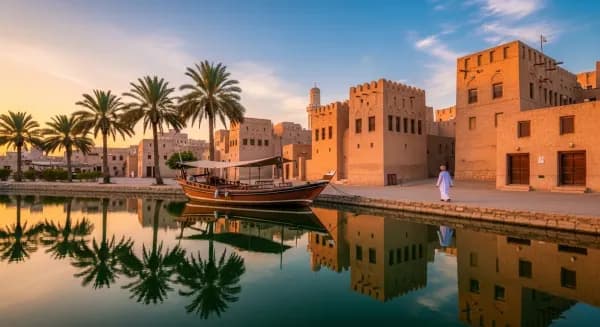
The vibe in Al Sharqiyah is a harmonious blend of the old and the new. The region is home to ancient forts and traditional villages that have stood the test of time, reflecting Oman's rich cultural heritage. Meanwhile, the vibrant souks and modern amenities cater to the needs of contemporary travelers, providing a perfect balance for those seeking both adventure and relaxation.
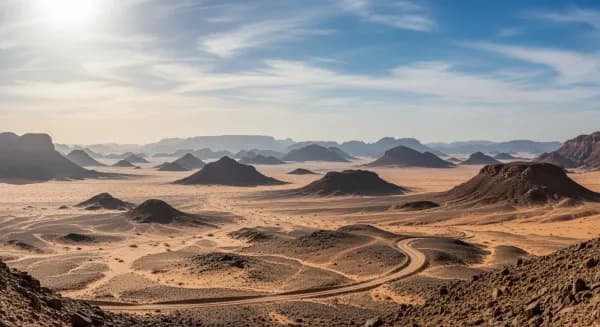
Al Sharqiyah is divided into two governorates: North Al Sharqiyah and South Al Sharqiyah. Each has its own unique charm, from the serene beauty of the Wahiba Sands in the south to the lush wadis and date palm groves in the north. The region’s people are known for their warm hospitality, making visitors feel welcome and at home.
When visiting Al Sharqiyah, Oman, travelers have a variety of accommodation options to choose from, ranging from luxurious resorts to budget-friendly guesthouses. In Sur, the capital of South Al Sharqiyah, luxury seekers can indulge in upscale resorts that offer stunning views of the coastline and top-notch amenities.
For those on a budget, the town of Ibra in North Al Sharqiyah offers several affordable hotels and guesthouses that provide a comfortable stay without breaking the bank. Additionally, the region's proximity to natural attractions means that many accommodations offer easy access to outdoor activities like dune bashing and wadi trekking.
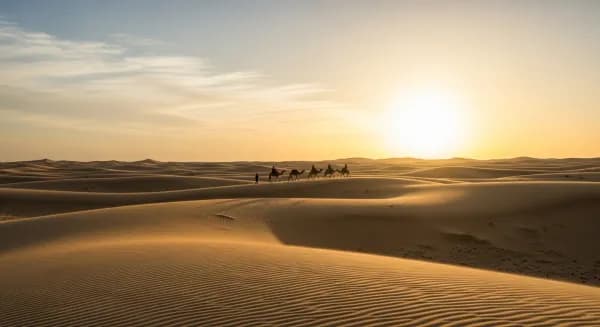
For a unique experience, consider staying in a traditional Omani desert camp in the Wahiba Sands, where you can enjoy the tranquility of the desert under a starlit sky. These camps provide an authentic taste of Bedouin life, complete with traditional meals and cultural performances.
Getting around Al Sharqiyah, Oman, is relatively straightforward, with various transportation options available for travelers. Renting a car is highly recommended, as it provides the flexibility to explore the region at your own pace. The roads in Al Sharqiyah are well-maintained, and driving offers the opportunity to discover hidden gems off the beaten path.
For those who prefer public transportation, buses connect major towns and cities within the region. However, these services can be infrequent, so planning ahead is essential. Taxis are also available and can be a convenient option for short distances or when traveling within towns like Sur and Ibra.
For a more immersive experience, consider hiring a local guide who can navigate the region's diverse landscapes and provide insights into the area's rich history and culture. This is particularly useful when exploring remote areas like the Wahiba Sands or the rugged mountain terrain.
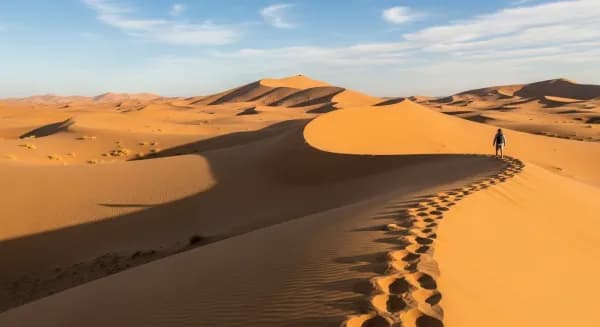
Al Sharqiyah, Oman, is a treasure trove of hidden gems waiting to be explored. One of the most popular excursions is a visit to the Wahiba Sands, a vast desert landscape characterized by rolling dunes and stunning sunsets. Here, visitors can engage in thrilling activities such as dune bashing, camel riding, and sandboarding.
Another must-visit destination is Wadi Bani Khalid, a picturesque oasis surrounded by date palms and rocky cliffs. The wadi features natural pools of crystal-clear water, perfect for swimming and picnicking. It's a popular spot for both locals and tourists seeking a refreshing escape from the desert heat.
For those interested in history and culture, a trip to the ancient city of Qalhat is highly recommended. Once a bustling port city, Qalhat is now a UNESCO World Heritage site, offering a glimpse into Oman's rich maritime history. The ruins of the Bibi Maryam Mausoleum stand as a testament to the city's past glory.
The ideal time to visit Al Sharqiyah, Oman, is between October and April, when the weather is cooler and more pleasant. During these months, temperatures range from 20°C to 30°C, making it perfect for outdoor activities and exploration.
Visiting in the winter months, from December to February, offers the most comfortable climate, with mild temperatures and minimal rainfall. This is the peak tourist season, so it's advisable to book accommodations and tours in advance.
While the summer months from May to September can be extremely hot, with temperatures soaring above 40°C, they are ideal for travelers looking to experience the region's quieter side. Many hotels offer discounted rates during this period, making it a budget-friendly option.
Al Sharqiyah, Oman, experiences a desert climate with hot summers and mild winters. In January, the coolest month, temperatures can drop to around 15°C at night, while daytime temperatures hover around 25°C.
As the year progresses into March and April, the weather begins to warm up, with temperatures reaching 30°C. The summer months, from May to September, are characterized by scorching heat, with temperatures often exceeding 40°C.
October marks the beginning of the cooler season, with temperatures gradually decreasing. By November, the weather becomes more pleasant, making it an ideal time for outdoor activities and exploration.
The culture of Al Sharqiyah, Oman, is deeply rooted in its Islamic heritage and Bedouin traditions. The region is known for its vibrant festivals and cultural events that celebrate Omani customs and traditions.
One of the most significant festivals is the Eid al-Fitr, marking the end of Ramadan, where families come together to celebrate with feasts and communal prayers. Another notable event is the annual camel racing festival held in the desert, showcasing the region's rich nomadic heritage.
Omani people are known for their hospitality and warmth. When visiting, it's important to respect local customs and dress modestly, especially when visiting religious sites. Traditional Omani attire, such as the dishdasha for men and the abaya for women, is commonly worn during cultural events and gatherings.
Omani cuisine is a delightful fusion of Arabian, Persian, and Indian influences, offering a variety of flavors and aromas. A must-try dish in Al Sharqiyah, Oman, is Shuwa, a traditional Omani dish made of marinated lamb slow-cooked in an underground sand oven, resulting in tender, flavorful meat.
Another popular dish is Mashuai, consisting of grilled kingfish served with rice and a tangy lemon sauce. For those with a sweet tooth, Halwa, a sticky, sweet dessert made with rosewater, saffron, and nuts, is a local favorite.
Street food enthusiasts should not miss trying Mishkak, skewered and grilled meat served with spicy sauces, commonly found in local markets and food stalls across the region.
Al Sharqiyah, Oman, is home to several captivating tourist attractions that offer a glimpse into the region's rich history and natural beauty. One of the top landmarks is the Sur Maritime Museum, which showcases the region's seafaring heritage and traditional dhow building techniques.
Another iconic site is the Ras Al Jinz Turtle Reserve, where visitors can witness the nesting of endangered green turtles on the pristine beaches. This conservation area offers guided tours and educational programs about marine life and environmental preservation.
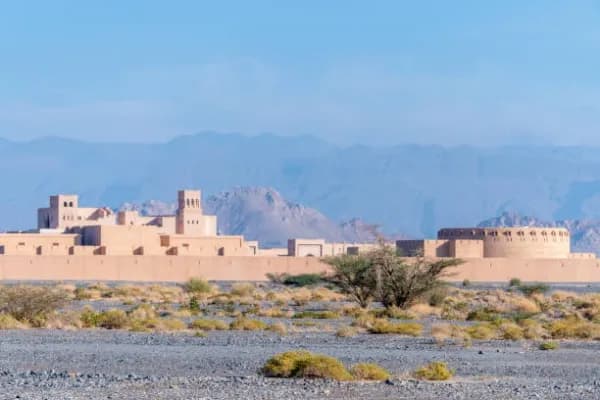
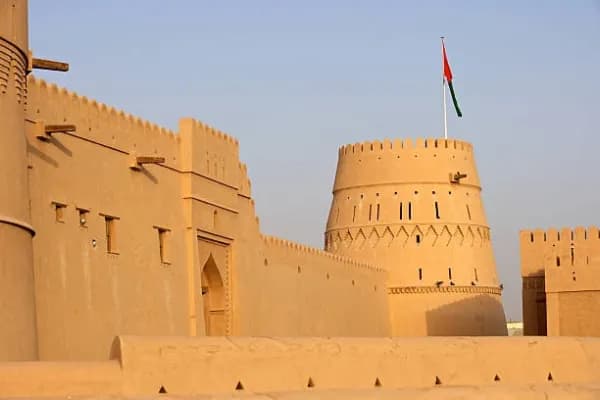
For history enthusiasts, the ancient city of Ibra is a must-visit, with its traditional souks and historic buildings providing a window into Oman's past. The Al Mintarib Fort, with its impressive architecture and panoramic views, is another landmark that should not be missed.
Lastly, the Bimmah Sinkhole, a natural wonder located near the coast, is a popular spot for swimming and picnicking. Its turquoise waters and dramatic limestone formations make it a favorite among locals and tourists alike.
Nearby places worth adding to your itinerary.
Top stays in Al Sharqiyah picked for comfort, value, and great guest reviews.