Abakan
Explore stays
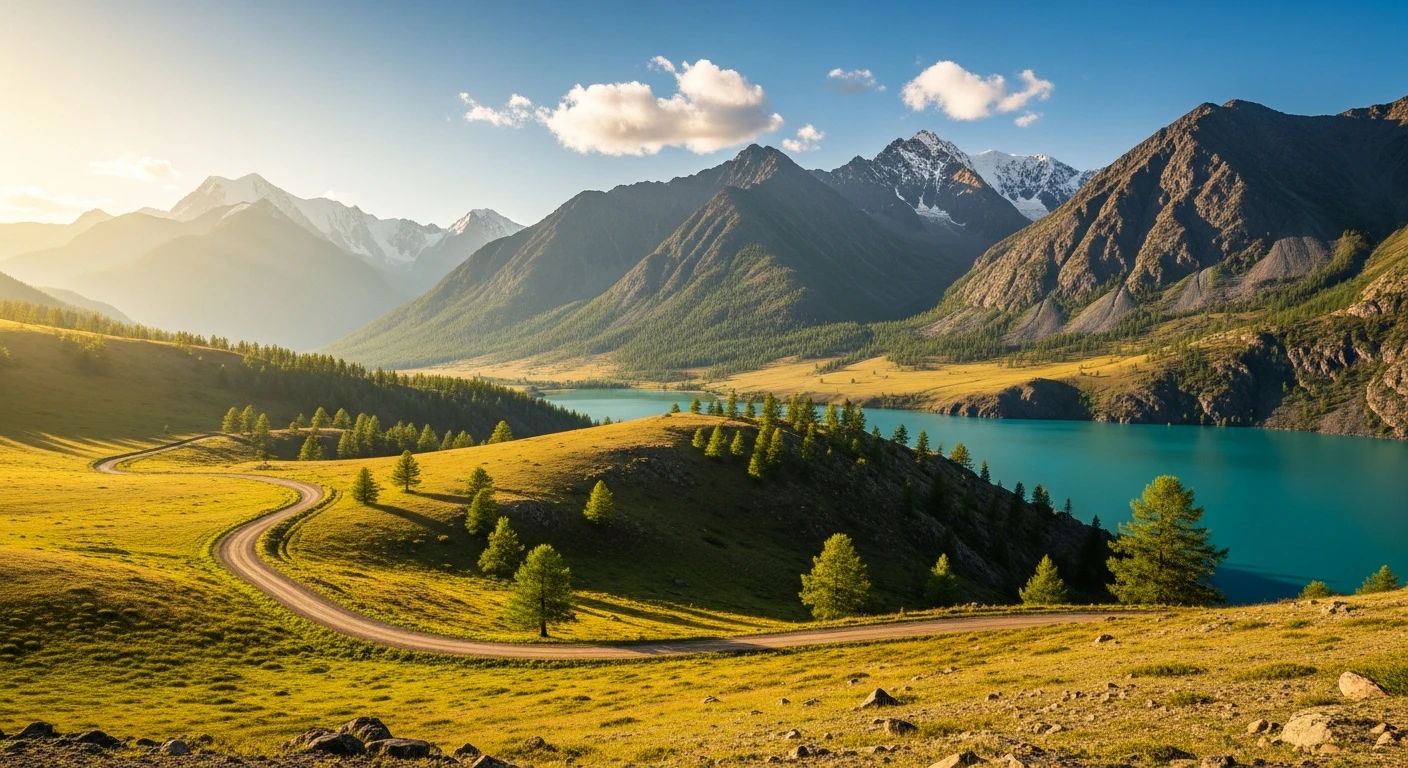
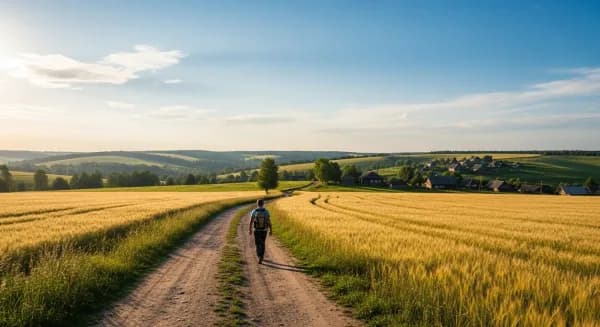
Altai Krai, located in the heart of Russia, is a region of stunning natural beauty and profound historical significance. Nestled in the southwestern part of Siberia, this region is bordered by Kazakhstan to the south and is famed for its rolling steppes, verdant forests, and the majestic Altai Mountains that provide a dramatic backdrop to the landscape. Historically, Altai Krai has been a crossroads of cultures, with evidence of human habitation dating back to the Paleolithic era. The region became a significant part of the Russian Empire in the 18th century, with the establishment of mining operations that attracted settlers from all over Russia.
Today, Altai Krai is a vibrant tapestry of history and culture, offering a unique blend of Russian traditions and the influences of the indigenous peoples. The vibe here is one of tranquil charm, with the hustle and bustle of modern life tempered by the serene beauty of its natural surroundings. Visitors to Altai Krai are often struck by the warmth and hospitality of the locals, who are eager to share stories of their rich heritage and the natural wonders that define their homeland.
With its diverse landscapes and cultural heritage, Altai Krai offers an array of experiences for the intrepid traveler, from exploring ancient archaeological sites to hiking in some of Russia's most breathtaking natural settings.
Altai Krai offers a range of accommodations to suit every traveler’s needs, from luxury resorts to quaint guesthouses and budget-friendly hostels. The city of Barnaul, the administrative center of Altai Krai, is a popular choice for visitors seeking a base for their adventures. Here, you can find upscale hotels like the Altai Palace Hotel, which offers luxurious amenities and stunning views of the surrounding mountains.
For those on a budget, Barnaul also has several affordable options such as the Hostel Barnaul, which provides a cozy and friendly atmosphere. If you prefer a more rustic experience, consider staying in one of the traditional wooden cabins scattered across the countryside, especially near the picturesque Katun River. These cabins offer an authentic taste of rural Russian life, often featuring traditional Russian saunas, known as banyas.
Navigating Altai Krai like a local involves understanding the region's primary means of transportation. The most common way to get around is by bus, with regular services connecting major towns and tourist destinations. Barnaul serves as the central hub for these bus routes, making it easy to plan day trips to nearby attractions.
For those seeking more flexibility, renting a car is a viable option, allowing you to explore the more remote areas of Altai Krai at your own pace. Additionally, taxis are readily available in urban areas, and for shorter distances, cycling is a popular choice among locals, especially during the warmer months.
Altai Krai is a treasure trove of hidden gems waiting to be discovered. One must-visit spot is the Tavdinsky Caves, a network of limestone caves that offer a glimpse into the geological history of the region. Another fascinating excursion is a visit to the Denisova Cave, an archaeological site of global significance where the remains of the ancient Denisovans were discovered, providing valuable insights into human evolution.
For nature enthusiasts, the Teletskoye Lake, often referred to as the 'Pearl of Siberia,' offers breathtaking scenery and a variety of outdoor activities such as hiking and boating. Meanwhile, the Chemal District is known for its stunning landscapes, including the picturesque Katun River and the Patmos Island with its historic monastery.
The best time to visit Altai Krai largely depends on the type of activities you wish to pursue. Spring (April to June) is ideal for those who enjoy mild temperatures and blossoming landscapes. Summer (July to August) is the peak tourist season, with warm weather perfect for outdoor adventures and exploring Russia's natural beauty.
Autumn (September to October) brings a riot of colors as the leaves change, offering a picturesque backdrop for hiking and photography. Winter (November to March) transforms Altai Krai into a snowy wonderland, perfect for winter sports enthusiasts eager to experience Russia's famed cold season.
Altai Krai experiences a continental climate with distinct seasons. January is the coldest month, with temperatures often dropping below -15°C, while July is the warmest, with averages around 20°C. In spring, temperatures gradually rise, ranging from 5°C in March to 15°C in May, accompanied by melting snow and blooming flora.
Summer brings warm and occasionally hot weather, with July and August being the sunniest months. Autumn sees a gradual cooling, with temperatures ranging from 10°C in September to 0°C in November, accompanied by vibrant fall colors. Winter is characterized by heavy snowfall and crisp air, creating a quintessential Russian winter landscape.
The culture of Altai Krai is a rich tapestry woven from the threads of various influences, including indigenous traditions and Russian customs. The region hosts several festivals that celebrate its diverse heritage, such as the Altai Winter Festival, which showcases traditional music, dance, and crafts.
The people of Altai Krai are known for their hospitality and warmth, often welcoming visitors with open arms and a hearty meal. Etiquette here reflects the broader Russian customs, with a strong emphasis on respect and politeness. It is customary to greet people with a firm handshake and maintain eye contact.
Traditional music and folklore play a significant role in the cultural landscape, with many locals still practicing ancient rituals and ceremonies passed down through generations. Visitors can experience this rich cultural heritage through local performances and community events.
Altai Krai offers a culinary experience that is both diverse and rooted in tradition. A must-try dish is Altai honey, renowned throughout Russia for its purity and flavor. Another local delicacy is 'kulaga,' a traditional berry porridge made with honey and rye flour, providing a taste of the region's rustic culinary heritage.
For meat lovers, 'tuva' is a popular dish made from succulent lamb, often accompanied by potatoes and vegetables. The region's fertile soil also yields a bounty of fresh produce, which is prominently featured in local markets and traditional dishes.
Altai Krai is home to numerous attractions that captivate visitors with their beauty and historical significance. The Altai State Museum of Local Lore in Barnaul offers a deep dive into the region's history and culture, showcasing artifacts from various eras of Russian history.
Another highlight is the Belokurikha Resort, a renowned health and wellness destination set against the backdrop of the Altai Mountains. Here, visitors can indulge in therapeutic treatments while enjoying the stunning natural scenery.
The picturesque Katun River is a must-visit for adventure seekers, offering activities such as rafting and fishing. Meanwhile, the Stone Island, located in the Ob River, provides a serene setting for relaxation and reflection.
Finally, the Stolby Nature Sanctuary, with its unique rock formations and diverse flora and fauna, offers a glimpse into the untouched beauty of Russia's wilderness. These landmarks and many more make Altai Krai a destination that offers something for every traveler.
Nearby places worth adding to your itinerary.
Top stays in Altai Krai picked for comfort, value, and great guest reviews.
Local guide picks to help you explore Altai Krai better.