
Aberdeen
Explore stays
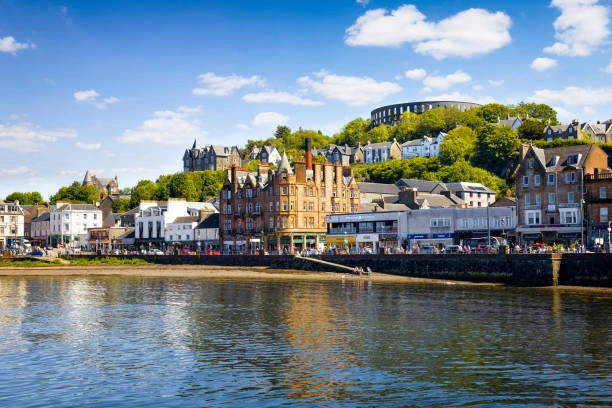
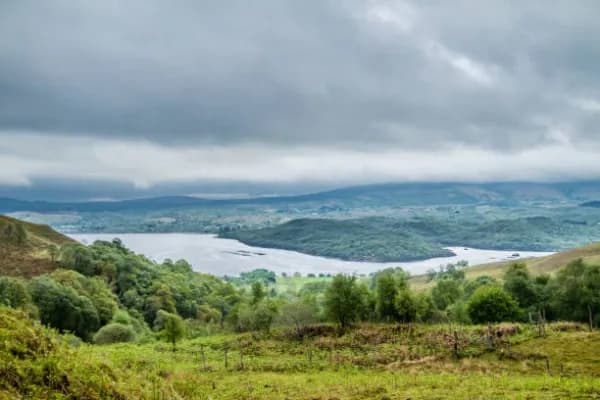
Argyll and Bute, a captivating region in western Scotland, is a tapestry of rugged landscapes, historic sites, and vibrant communities. This area, known for its stunning coastlines and lush greenery, is steeped in history that dates back to ancient times. From the early Celtic tribes to the Viking invasions, and later the influence of the Scottish clans, Argyll and Bute has been a pivotal stage in Scotland's history.
The geography is as diverse as its history, with the region encompassing part of the mainland and a multitude of islands, including the famous Inner Hebrides. The vibe here is a blend of serene isolation and lively Scottish culture, making it a perfect retreat for those seeking both relaxation and adventure.
Visitors to Argyll and Bute can expect to be enchanted by the charming communities, each with its own unique character. The area is marked by its Gaelic heritage, which is evident in local music, language, and traditions. The warm hospitality of the locals adds to the inviting atmosphere, ensuring that travelers feel at home amidst the breathtaking scenery.
Accommodation in Argyll and Bute ranges from luxurious retreats to budget-friendly options, catering to all types of travelers. For those seeking opulence, the Isle of Eriska Hotel, Spa & Island offers a unique experience with its combination of luxury and natural beauty. Nestled on a private island, this hotel provides a secluded escape with stunning views of the surrounding waters.
For budget-conscious travelers, the Oban Youth Hostel offers comfortable and affordable lodging. Located in the bustling town of Oban, known as the 'Gateway to the Isles', the hostel is a perfect base for exploring both the mainland and the nearby islands.
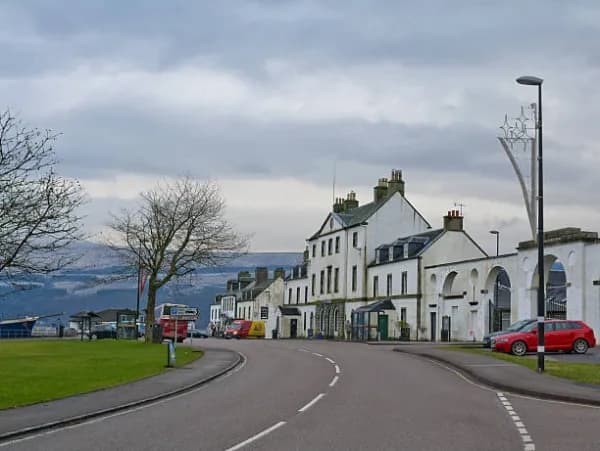
Mid-range options include charming bed and breakfasts scattered throughout the region, offering a cozy stay with a personal touch. Areas like Inveraray and Tobermory are popular choices, providing picturesque settings and easy access to local attractions.
Navigating Argyll and Bute like a local involves a mix of public transport and personal exploration. The region is well-connected by a network of buses and ferries, making it relatively easy to travel between the mainland and the islands. The Caledonian MacBrayne ferries are a vital part of this network, providing regular services to the Inner Hebrides.
For those who prefer more flexibility, renting a car is an excellent option. This allows travelers to explore the scenic routes and hidden gems at their own pace. Cycling is also popular, with many trails offering spectacular views of the Scottish countryside.
Trains are another viable option, with the West Highland Line offering one of the most scenic rail journeys in Scotland, connecting Glasgow to Oban and Fort William.
Beyond the well-trodden paths of Argyll and Bute lie numerous hidden gems waiting to be discovered. One such gem is the Isle of Jura, known for its wild landscapes and the famous Jura Distillery. This island offers a true escape into nature, with opportunities for hiking and wildlife spotting.
The Knapdale Forest is another excursion worth taking, especially for those interested in wildlife. The forest is home to Scotland's first beaver reintroduction project, offering a unique chance to see these fascinating creatures in their natural habitat.
For history enthusiasts, the ancient standing stones of Kilmartin Glen provide a glimpse into Scotland's prehistoric past. This area is one of the richest archaeological landscapes in Scotland, with over 350 ancient monuments.
The best time to visit Argyll and Bute depends largely on what you wish to experience. Spring (March to May) is a delightful time, with the landscape coming alive with blooming flowers and milder weather. This season is ideal for outdoor activities and exploring the countryside.
Summer (June to August) offers the warmest weather, making it perfect for island hopping and enjoying the stunning beaches. However, this is also the peak tourist season, so expect more crowds at popular sites.
Autumn (September to November) is a picturesque time to visit, with the foliage transforming into vibrant hues of red and gold. This season provides a quieter experience, allowing for peaceful exploration.
The weather in Argyll and Bute is typically mild, influenced by the Gulf Stream. January and February are the coldest months, with temperatures averaging around 3-5°C (37-41°F). Snowfall is rare but possible, especially in the higher regions.
March to May sees temperatures gradually rising, with averages between 7-12°C (45-54°F). Rainfall is moderate, so it's advisable to pack waterproof clothing.
June to August is the warmest period, with temperatures ranging from 13-18°C (55-64°F). This is also the sunniest time, though rain showers can occur unexpectedly.
Argyll and Bute is a region rich in cultural heritage, deeply rooted in its Gaelic traditions. The local festivals are a testament to this vibrant culture, with events such as the Mull Music Festival and the Cowal Highland Gathering showcasing traditional Scottish music and dance.
The people of Argyll and Bute are known for their friendliness and hospitality, often eager to share stories of their heritage and customs. Visitors are encouraged to engage with locals, whether it's through attending a ceilidh (a traditional Scottish social gathering) or simply chatting in a local pub.
Etiquette in Scotland is generally informal, but politeness and respect are highly valued. When visiting, it's important to adhere to local customs, such as greeting with a friendly 'hello' and thanking hosts for their hospitality.
The culinary scene in Argyll and Bute is a delightful exploration of Scotland's traditional flavors. Seafood is a highlight, with fresh catches like salmon, mussels, and scallops featuring prominently on local menus. The town of Oban is particularly renowned for its seafood offerings.
Another must-try dish is haggis, Scotland's national dish. While it may sound unusual, this savory pudding made from sheep's offal is a beloved staple and is often served with 'neeps and tatties' (turnips and potatoes).
For those with a sweet tooth, the region offers delectable treats such as shortbread and cranachan, a dessert made with raspberries, cream, oats, and whisky.
Argyll and Bute is home to numerous attractions that showcase the beauty and history of Scotland. One of the top landmarks is Inveraray Castle, a stunning example of Gothic Revival architecture and the ancestral home of the Duke of Argyll. The castle's opulent interiors and expansive gardens provide a fascinating glimpse into Scotland's aristocratic past.
Another must-visit site is the Isle of Mull, known for its picturesque Tobermory village with its brightly colored houses lining the waterfront. The island offers a range of activities, from wildlife tours to exploring the ancient Duart Castle.
The Crinan Canal, often referred to as 'Britain's most beautiful shortcut', is a scenic waterway that offers leisurely boat trips and walking paths along its banks. It's a perfect spot for enjoying the tranquil beauty of the Scottish countryside.
Kilchurn Castle, located on the banks of Loch Awe, is a romantic ruin that has inspired artists and photographers for centuries. Its dramatic setting against the backdrop of the Highlands makes it a must-see for visitors.
Lastly, the Isle of Islay is famous for its whisky distilleries, offering tours and tastings that highlight Scotland's rich whisky heritage. The island's unique landscape and peat bogs contribute to the distinctive flavors of its whiskies, making it a paradise for connoisseurs.
Nearby places worth adding to your itinerary.
Top stays in Argyll and Bute picked for comfort, value, and great guest reviews.
Local guide picks to help you explore Argyll and Bute better.