Baleela
Explore stays
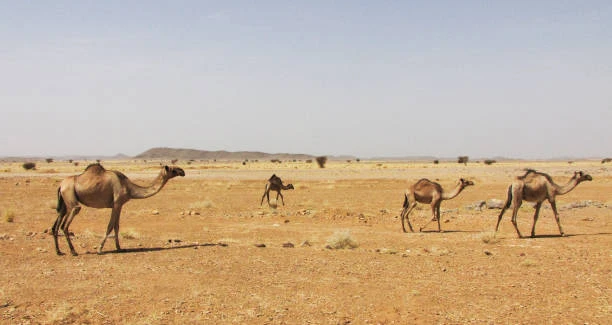
Atbara is a city in northern Sudan. It lies at the confluence of the Atbara River and the Nile River. Atbara is known for its rich history and vibrant culture. The city is part of the Nile River state and is approximately 300 kilometers (186 miles) northeast of Khartoum, the capital of Sudan. It is a vital railway and transportation hub, connecting various regions in Sudan.
Atbara has a warm desert climate. Summers can be extremely hot, while winters are mild and pleasant. The city is often bustling with activity, thanks to its strategic location and the flow of travelers and traders.
Atbara is well connected locally, making it easy to get around the city. Here are some options for local transport:
Taxis: Taxis are a common way to travel within Atbara. They are affordable and can be found throughout the city. Always agree on the fare before starting your trip.
Buses: Local buses operate on various routes. They are a cheap option for getting around, but they may not be the most comfortable.
Walking: Many attractions in Atbara are within walking distance. Strolling through the streets can be a pleasant way to explore the city.
By Air: Atbara has a small airport, Atbara Airport (ATB), which offers limited domestic flights. Most international travelers fly into Khartoum International Airport (KRT) and then travel to Atbara by bus or taxi.
By Train: Atbara is a key railway hub in Sudan. The Sudan Railways connects Atbara with major cities, including Khartoum and Port Sudan. Train travel is a scenic and relaxing way to explore the country.
By Bus: Long-distance buses operate from Khartoum and other cities to Atbara. The bus journey takes about 5 to 7 hours from the capital.
The Nile River: The Nile is a lifeline for Sudan. In Atbara, you can enjoy walks along the riverbank, take a boat ride, or have a picnic by the water. The views are stunning, especially at sunset.
Atbara River: The Atbara River merges with the Nile. It is popular for fishing and relaxing. You can often see locals enjoying the river's beauty.
Old Atbara Railway Station: This historical station showcases the importance of Atbara in Sudan's railway history. The architecture is charming and worth a visit for photography.
Local Markets: Visit the local markets to experience the vibrant culture of Atbara. Markets are filled with colorful stalls selling spices, textiles, and traditional handicrafts. It's a great place to buy souvenirs.
Heritage Museum: This small museum highlights the history and culture of the region. Exhibits include traditional clothing, tools, and artifacts that showcase the local heritage.
The Old Bridge: This historical bridge over the Atbara River offers beautiful views and a glimpse into the past. It’s a great spot for photos and to observe daily life in Atbara.
Ancient Ruins: Nearby, you can find ancient ruins that date back to the Kingdom of Kush. These archaeological sites give insight into the rich history of the region.
Fishing: The rivers around Atbara are ideal for fishing. You can rent equipment or hire a local guide for an enjoyable day by the water.
Hiking: The surrounding landscapes offer opportunities for hiking and exploring nature. Local guides can help you find suitable trails.
Bird Watching: The wetlands and rivers attract various bird species. Birdwatchers can enjoy spotting different birds in their natural habitats.
Khartoum: Approximately 300 kilometers (186 miles) southwest of Atbara. It takes around 5 to 7 hours by bus or train.
Port Sudan: About 500 kilometers (311 miles) east. The journey takes around 10 hours by bus or train.
Dongola: Approximately 250 kilometers (155 miles) north. It is a smaller town with historical significance.
Atbara offers various dining options, from local street food to casual restaurants. Here are some popular choices:
Local Cuisine: Try traditional Sudanese dishes like fuul (fava beans), tagine (slow-cooked stew), and kisra (flatbread). These dishes are flavorful and reflect the region's culinary heritage.
Street Food: Street vendors sell delicious snacks like sambusa (fried pastries) and shai (tea). They are affordable and great for a quick bite.
Restaurants: There are several local restaurants in Atbara that serve a mix of Sudanese and international dishes. They offer a comfortable dining experience with a variety of choices.
Cafés: Relax in one of the local cafés with a cup of coffee or tea. Cafés are great spots to unwind and enjoy the local atmosphere.
Local Buses: Buses run regularly between different parts of Atbara. They can take you to most attractions in the city at a low cost.
Taxis: Taxis are widely available and can easily transport you to various sites around Atbara. They are convenient for traveling in the heat.
Walking: Many attractions are close to each other, making walking a great option. This way, you can take in the local sights and sounds at your own pace.
Bicycle Rentals: Some local shops offer bicycle rentals. Cycling around Atbara is a fun way to explore the city and its surroundings.
Rich History: Atbara has a unique history tied to the Nile and its role in trade and transportation. Visitors can explore historical sites that tell the story of this vibrant city.
Cultural Experiences: The local markets and friendly people provide a genuine cultural experience. Engaging with locals can enhance your understanding of Sudanese culture.
Scenic Views: The natural beauty surrounding Atbara is breathtaking. From the rivers to the landscapes, the scenery is perfect for photography and relaxation.
Adventure Opportunities: Atbara offers a range of outdoor activities, from fishing to hiking. It's an excellent destination for adventure seekers.
Accessibility: Atbara's connectivity to major cities makes it easy to include in any travel itinerary. It’s an ideal stop for those exploring northern Sudan.
Best Time to Visit: The best time to visit Atbara is during the cooler months, from November to March. The weather is more pleasant for outdoor activities.
Cultural Respect: Sudan has a rich cultural heritage. Be respectful of local customs and traditions, especially when visiting markets and religious sites.
Stay Hydrated: The climate can be hot, especially in summer. Drink plenty of water to stay hydrated.
Language: Arabic is the official language. Learning a few basic phrases can help you connect with locals.
Safety: As with any travel destination, be aware of your surroundings and take standard safety precautions.
Nearby places worth adding to your itinerary.
Local guide picks to help you explore Atbara better.