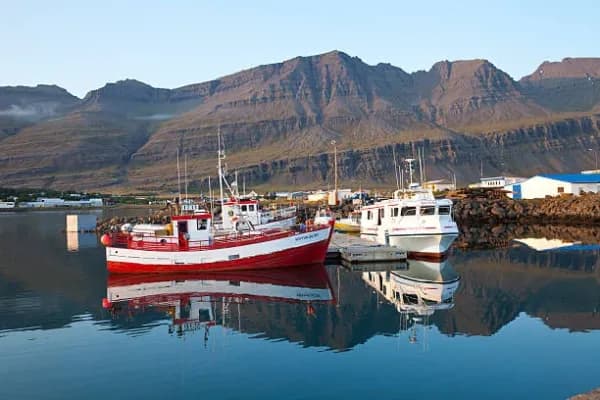
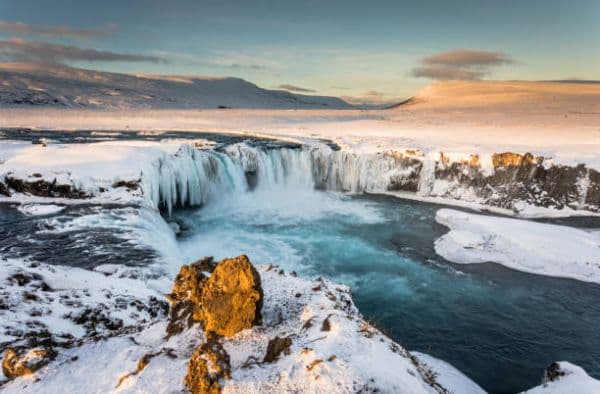
Akureyri
Explore stays
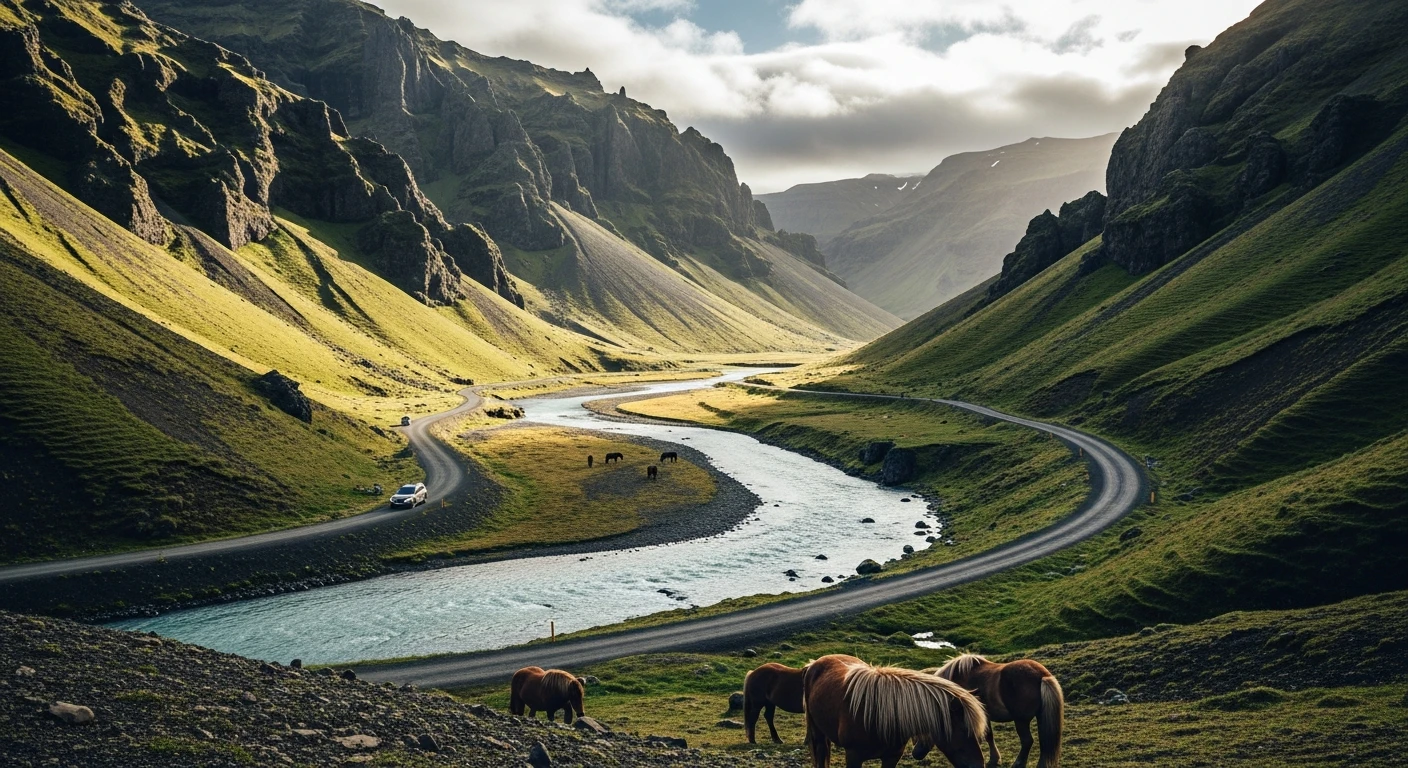
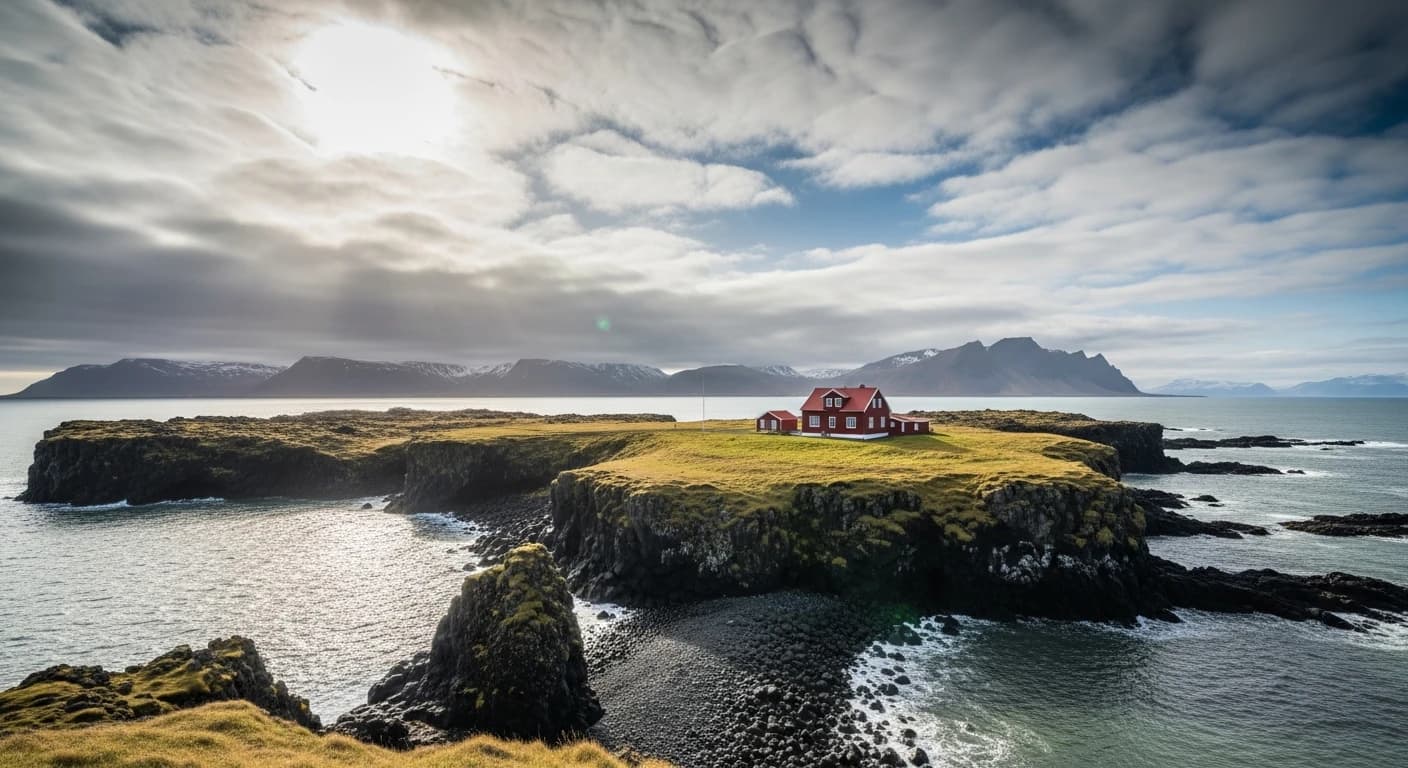
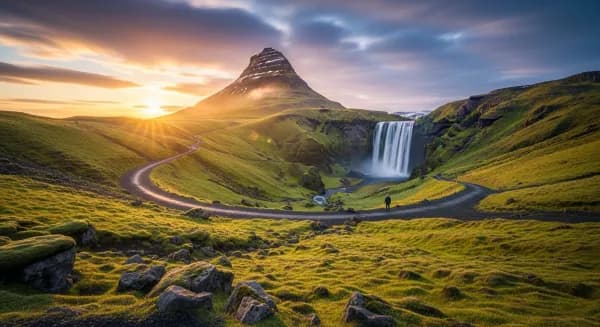
Nestled in the eastern part of Iceland, Austurland, also known as East Iceland, is a region that captivates with its dramatic landscapes, rich history, and serene atmosphere. The area is characterized by its rugged coastlines, majestic fjords, and sweeping valleys, offering a stark yet beautiful contrast to the more populated areas of Iceland. Historically, Austurland has been less frequented by tourists, allowing it to retain a sense of untouched wilderness and tranquility.
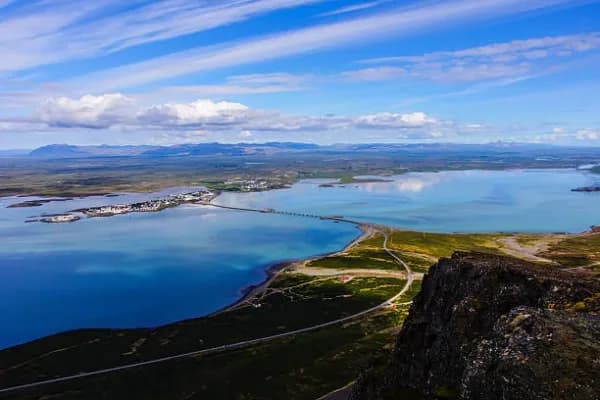
Geographically, Austurland is defined by its diverse topography. The region is home to Vatnajökull National Park, which encompasses Europe's largest glacier, and the stunning Hengifoss waterfall, one of Iceland's tallest. The region's fjords, such as Seyðisfjörður and Mjóifjörður, are not only visually stunning but also steeped in history, with tales of early settlers and seafaring adventures.
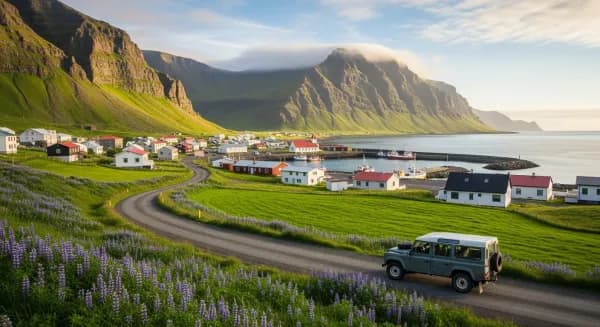
The vibe in Austurland is one of peace and introspection. The small towns and villages dotting the landscape, like Egilsstaðir and Reyðarfjörður, offer a glimpse into the traditional Icelandic way of life. The local people are known for their warm hospitality and deep connection to nature, making Austurland a perfect destination for those seeking both adventure and solace.
When it comes to accommodation, Austurland offers a range of options to suit every traveler's needs. For those seeking luxury, the Fosshotel Eastfjords in Fáskrúðsfjörður provides an upscale experience with stunning fjord views and a rich history as a former French hospital.
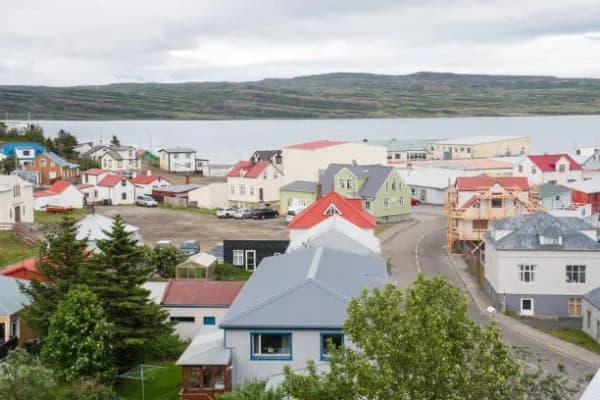
Budget travelers will find comfort in the cozy guesthouses scattered across the region. Seyðisfjörður, with its artistic vibe and colorful houses, is a popular choice, offering hostels and guesthouses that cater to backpackers and budget-conscious visitors.
Egilsstaðir, the largest town in Austurland, serves as a convenient base for exploring the region, with a variety of hotels and guesthouses that cater to different budgets. Whether you prefer a quaint countryside stay or a central location, Austurland has something for everyone.
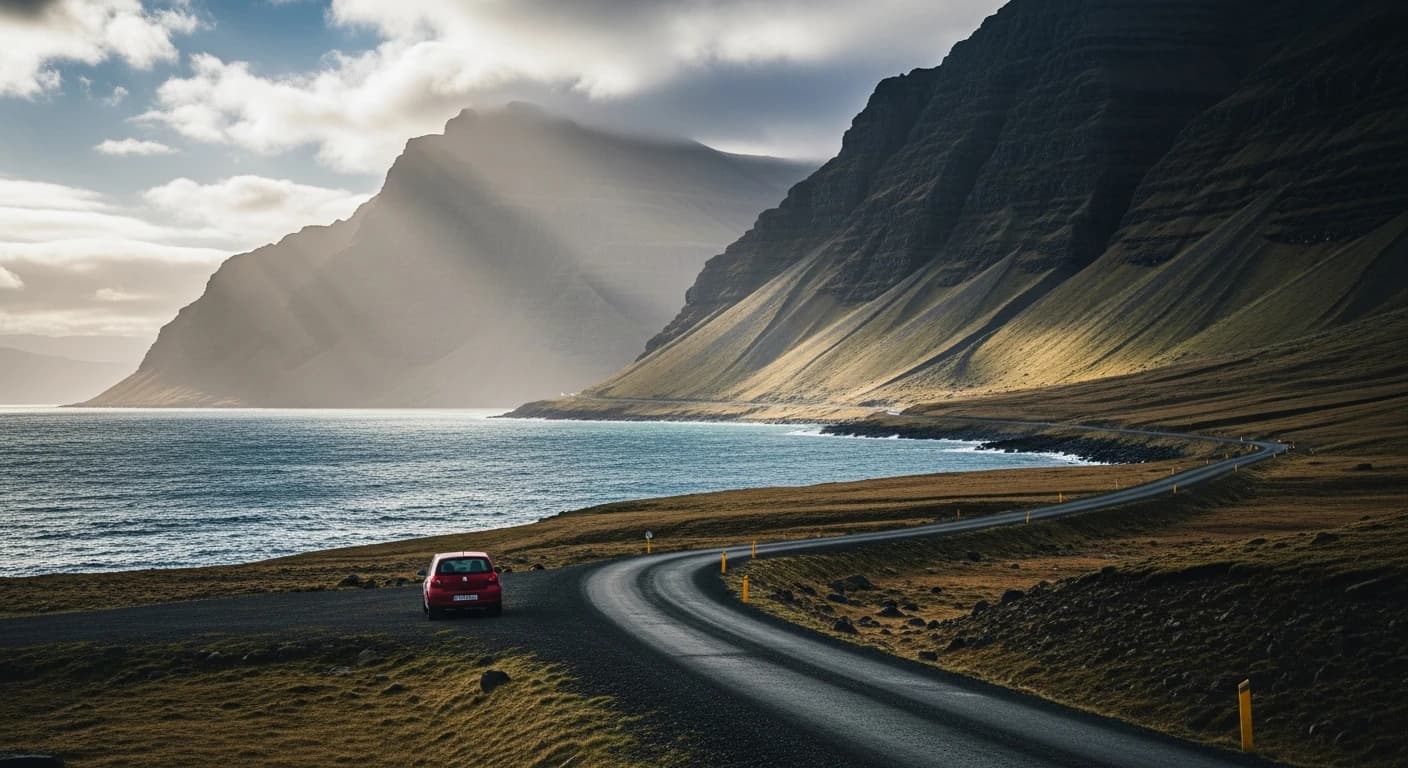
Getting around Austurland is a journey in itself, with the region's winding roads and scenic routes providing breathtaking views at every turn. Renting a car is the most popular option for travelers, allowing for flexibility and the opportunity to explore hidden gems off the beaten path.
For those who prefer public transportation, local bus services connect the main towns and villages. While the schedules can be limited, they offer a reliable way to experience the region like a local. During the summer months, cycling is also a popular choice, with well-maintained paths offering a unique perspective on Iceland's natural beauty.
Austurland is a treasure trove of hidden gems waiting to be discovered. A visit to the remote Mjóifjörður fjord is a must, where the tranquility and untouched beauty of the landscape offer a true escape from the modern world.
Another highlight is the Stórurð boulder field, a natural wonder of massive rocks and turquoise ponds nestled beneath the Dyrfjöll mountains. This area is perfect for hiking enthusiasts looking to explore Iceland's unique geological formations.
For a cultural excursion, the village of Seyðisfjörður offers a vibrant arts scene, with galleries and workshops showcasing local talent. The town is also the starting point for the scenic drive over Fjarðarheiði mountain pass, offering panoramic views of the surrounding fjords.
The best time to visit Austurland largely depends on what you wish to experience. Summer, from June to August, offers long daylight hours, mild temperatures, and the opportunity to witness the midnight sun. This is the prime time for hiking and exploring the outdoors.
Autumn, from September to November, brings a tapestry of colors to the landscape, with the added bonus of fewer tourists. Winter, from December to February, transforms Austurland into a snowy wonderland, ideal for those seeking solitude and the chance to see the Northern Lights.
Spring, from March to May, is a time of renewal, as flowers bloom and wildlife becomes more active. Each season offers its own unique charm, making Austurland a year-round destination.
Austurland's weather is as varied as its landscape. January is the coldest month, with temperatures often dipping below freezing, while July is the warmest, with averages around 10°C (50°F).
February and March see a gradual increase in daylight, with temperatures slowly rising. April and May bring milder weather, with the landscape coming alive with greenery.
June, July, and August are the warmest months, ideal for outdoor activities. September to November sees a cooling trend, with vibrant fall colors. December is the start of the winter season, with snow covering the region in a serene blanket.
The culture of Austurland is deeply rooted in Icelandic traditions and folklore. The region hosts several festivals throughout the year, celebrating everything from music and art to the unique heritage of Iceland.
The annual LungA Art Festival in Seyðisfjörður is a highlight, attracting artists from across Iceland and beyond to create and collaborate in a picturesque setting. The Eistnaflug music festival in Neskaupstaður showcases Iceland's vibrant music scene, drawing both local and international performers.
Respect for nature and a strong sense of community are central to the culture in Austurland. Visitors are encouraged to embrace this ethos, respecting local customs and the pristine environment that defines this region of Iceland.
A trip to Austurland wouldn't be complete without indulging in Iceland's culinary delights. Fresh seafood is a staple, with dishes like plokkfiskur (fish stew) and harðfiskur (dried fish) offering a taste of traditional Icelandic cuisine.
Lamb is another local favorite, often slow-cooked to perfection and served with seasonal vegetables. For a sweet treat, try kleinur, a type of Icelandic doughnut, or skyr, a creamy dairy product similar to yogurt but with a unique Icelandic twist.
Many restaurants in Austurland focus on farm-to-table dining, ensuring that meals are not only delicious but also sustainable and locally sourced.
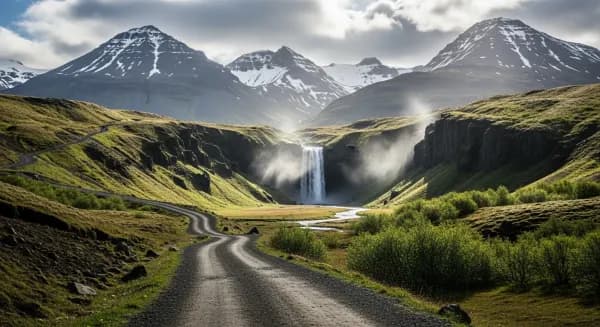
Austurland is home to some of Iceland's most captivating landmarks. The majestic Hengifoss waterfall, with its striking red rock layers, is a must-see. A moderate hike leads to this natural wonder, offering breathtaking views along the way.
Vatnajökull National Park, a UNESCO World Heritage site, is another highlight. The park's vast glaciers, volcanic landscapes, and diverse wildlife make it a paradise for nature lovers and adventurers alike.
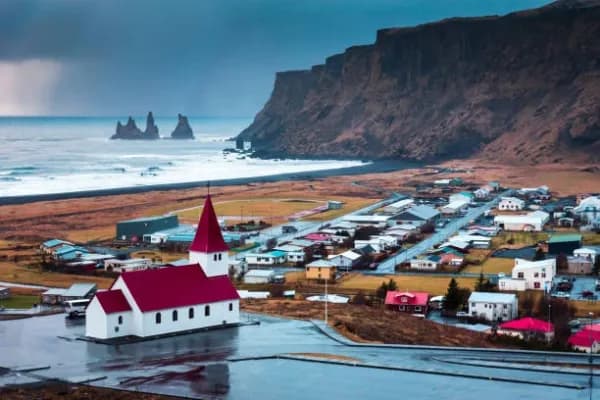
The charming town of Seyðisfjörður, with its colorful wooden houses and vibrant arts scene, offers a unique glimpse into Icelandic culture. The town's picturesque setting at the end of a fjord is truly unforgettable.
For history enthusiasts, the French Museum in Fáskrúðsfjörður provides insight into the region's past as a hub for French fishermen. The museum is housed in a beautifully restored building, offering both historical context and stunning views of the surrounding fjord.
Finally, the Hallormsstaður Forest, Iceland's largest forest, offers a serene escape with its walking trails and diverse flora and fauna, providing a rare opportunity to experience Iceland's woodland beauty.
Nearby places worth adding to your itinerary.
Top stays in Austurland picked for comfort, value, and great guest reviews.