An Giang
Explore stays
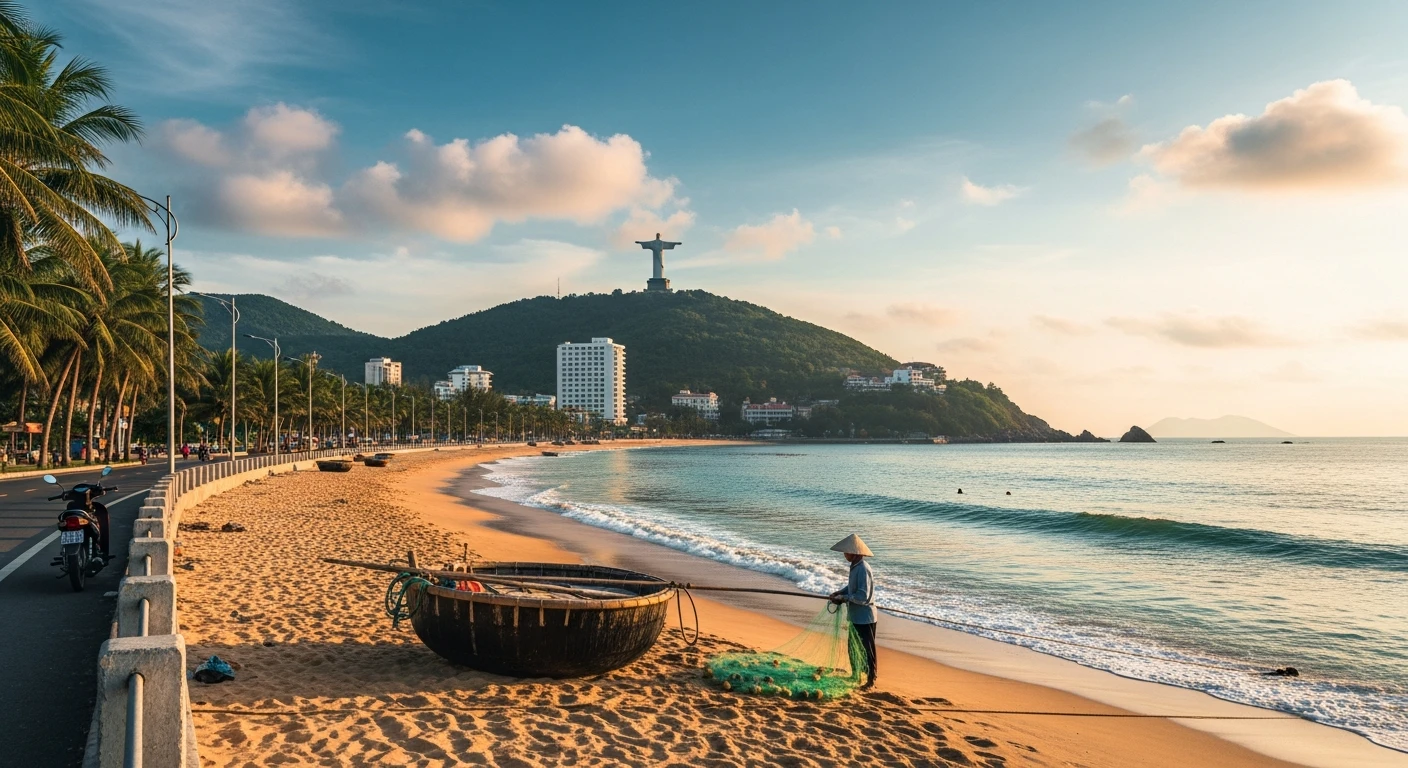
Ba Ria-Vung Tau, a coastal province in southeastern Vietnam, is a captivating blend of natural beauty, historical intrigue, and modern vibrancy. Situated about 125 kilometers from Ho Chi Minh City, this region is renowned for its stunning beaches, lush landscapes, and dynamic port city, Vung Tau. Historically, Ba Ria-Vung Tau has been a strategic location due to its proximity to the South China Sea, serving as a critical point for maritime trade and military operations. The French colonial era left a lasting architectural legacy, visible in the elegant villas and grand structures that dot the area.
Geographically, the province is diverse, featuring sandy beaches, verdant mountains, and fertile plains. The Con Dao archipelago, part of the province, is a national treasure with its pristine beaches and rich biodiversity. The vibe in Ba Ria-Vung Tau is a harmonious mix of laid-back coastal life and bustling urban energy. The locals are known for their warmth and hospitality, always eager to share their rich culture and traditions with visitors.
Today, Ba Ria-Vung Tau is a thriving hub for tourism and industry, attracting visitors with its promise of relaxation and adventure. Whether you're exploring the vibrant markets, lounging on the beaches, or delving into the local history, Ba Ria-Vung Tau offers a unique glimpse into Vietnam's past and present.
Accommodation in Ba Ria-Vung Tau caters to all preferences and budgets, ensuring a comfortable stay for every traveler. The city of Vung Tau offers a range of luxury hotels and resorts, such as The Imperial Hotel and Pullman Vung Tau, which provide opulent amenities and stunning sea views. These establishments often feature world-class dining, spa facilities, and easy access to the beach, making them ideal for those seeking a lavish getaway.
For budget-conscious travelers, there are numerous guesthouses and hostels scattered throughout the province. Areas like Long Hai and Ho Tram offer affordable lodging options close to the beach, allowing visitors to enjoy the natural beauty without breaking the bank. Homestays are also popular, providing an authentic Vietnamese experience and the chance to connect with local families.
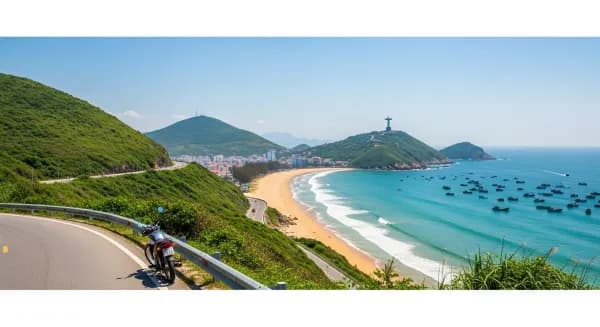
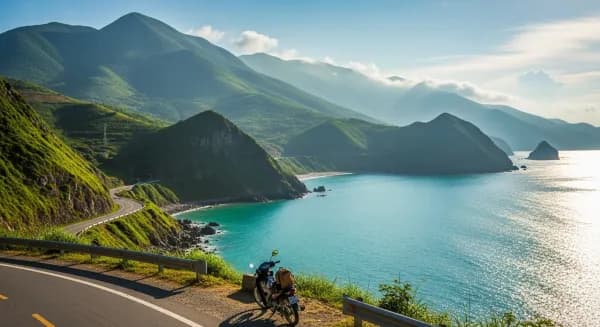
Navigating Ba Ria-Vung Tau is relatively straightforward, with several transportation options available. Motorbikes are a popular choice among locals and tourists alike, offering the freedom to explore at your own pace. Rentals are widely available, and the roads are generally well-maintained, making this a convenient option for adventurous travelers.
For those who prefer public transport, buses and taxis are readily accessible. Vung Tau's local bus network is efficient and affordable, connecting major attractions and neighboring towns. Taxis, including app-based services like Grab, provide a more comfortable and direct way to get around, especially for longer distances.
Bicycles are another excellent way to explore the scenic coastal roads and quaint villages, allowing for an immersive experience of Vietnam's charming rural life.
Beyond the bustling streets of Vung Tau, Ba Ria-Vung Tau province is home to several hidden gems worth exploring. The Con Dao Islands are a must-visit, offering unspoiled beaches and a rich history as a former penal colony. The islands are accessible by ferry or plane, and once there, visitors can enjoy activities such as snorkeling, hiking, and wildlife watching.
The Minh Dam Mountain, located in Long Hai, is another excursion that combines natural beauty with historical significance. The mountain was a Viet Cong base during the Vietnam War, and today, visitors can explore the caves and tunnels used by soldiers. The panoramic views from the summit are breathtaking, providing a serene escape from the city.
For a taste of local culture, a visit to the fishing village of Phuoc Hai is recommended. Here, you can witness traditional fishing practices and enjoy fresh seafood straight from the boat.
The best time to visit Ba Ria-Vung Tau is during the dry season, which runs from November to April. During these months, the weather is typically sunny and dry, perfect for beach activities and outdoor excursions. The sea is calm, making it ideal for swimming and water sports.
From May to October, the region experiences the rainy season, characterized by frequent showers and higher humidity. While the rains can be heavy, they are usually short-lived, allowing for plenty of exploration time. However, this period is less crowded, offering a more tranquil experience for those who don't mind a bit of rain.
The weather in Ba Ria-Vung Tau is tropical, with a distinct wet and dry season. January and February are the coolest months, with temperatures ranging from 22°C to 28°C, making it a pleasant time for outdoor activities.
March to May sees a gradual increase in temperature, with highs reaching up to 35°C. This is a great time for beachgoers, as the sea is warm and inviting. The rainy season from June to October brings cooler temperatures, averaging around 27°C, with frequent afternoon showers.
November and December mark the transition to the dry season, with temperatures dropping slightly and humidity levels decreasing, providing comfortable conditions for exploration.
The culture of Ba Ria-Vung Tau is a rich tapestry of traditions, influenced by its diverse history and coastal setting. The province is home to various ethnic groups, including the Kinh, Hoa, and Cham, each contributing to the vibrant cultural landscape.
Festivals play a significant role in local life, with the Nghinh Ong Festival being one of the most celebrated events. Held annually in Vung Tau, this festival honors the whale, considered a guardian of fishermen. The event features colorful parades, traditional music, and offerings, attracting visitors from across Vietnam.
Etiquette is important in Vietnamese culture, and visitors are encouraged to show respect by dressing modestly, removing shoes when entering homes, and using both hands when giving or receiving items.
Ba Ria-Vung Tau is a culinary paradise, offering a diverse array of dishes that reflect its coastal heritage. Seafood is a staple, with fresh catches like shrimp, crab, and fish featured prominently in local cuisine. Must-try dishes include "banh khot," small savory pancakes topped with shrimp, and "lau ca duoi," a flavorful stingray hotpot.
The province's culinary history is influenced by its proximity to the sea and its multicultural population, resulting in a fusion of flavors and techniques. Street food is abundant, providing an opportunity to savor authentic Vietnamese dishes at affordable prices.
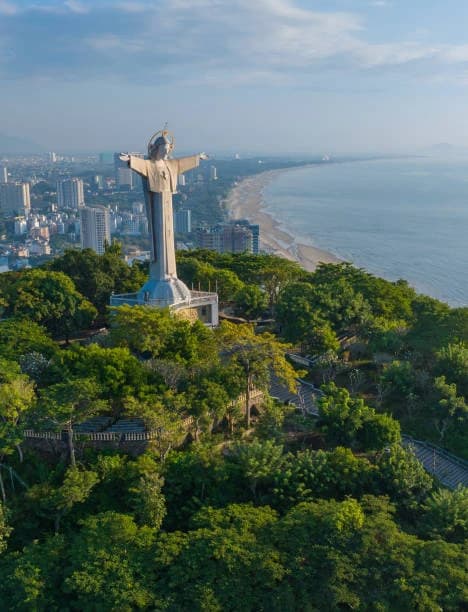
Ba Ria-Vung Tau boasts a wealth of attractions that highlight its natural beauty and historical significance. The Christ of Vung Tau, a towering statue of Jesus Christ perched on Mount Nho, offers panoramic views of the city and coastline. Visitors can climb the 847 steps to the top for a closer look at this iconic landmark.
The White Palace, or Bach Dinh, is a striking colonial-era mansion that once served as a summer retreat for French governors. Today, it houses a museum showcasing artifacts from Vietnam's past, providing insight into the region's colonial history.
For nature enthusiasts, the Binh Chau Hot Springs are a must-visit. Located in a lush forest, these natural thermal springs offer a relaxing retreat, with facilities for bathing and mud treatments.
The Ho May Park, situated on Big Mountain, is a family-friendly attraction featuring amusement rides, a zoo, and a cable car offering stunning views of Vung Tau. It's a perfect spot for a day of fun and adventure.
Lastly, the Thich Ca Phat Dai, a Buddhist temple complex, offers a serene escape with its beautiful gardens and intricate statues, providing a glimpse into Vietnam's spiritual traditions.
Nearby places worth adding to your itinerary.