Baitadi
Explore stays
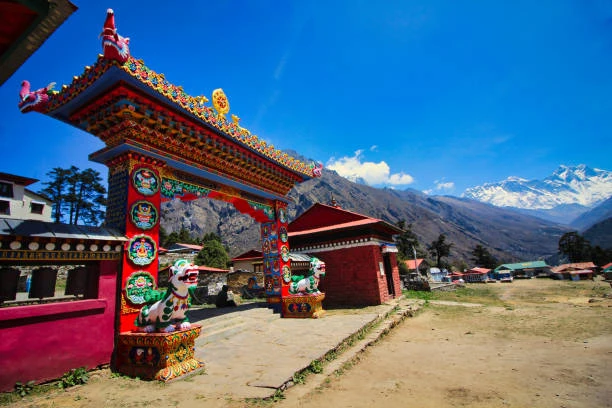
Bagmati Province, one of the seven provinces of Nepal, is steeped in rich history and vibrant culture. Historically significant as the heartland of the Malla Kingdom, it boasts a legacy that intertwines Hinduism, Buddhism, and ancient trade routes. The capital, Hetauda, serves as an administrative hub, while the province is dotted with ancient temples, lush landscapes, and bustling markets.
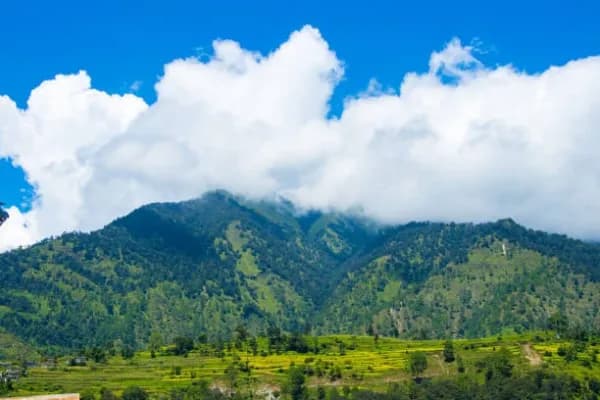
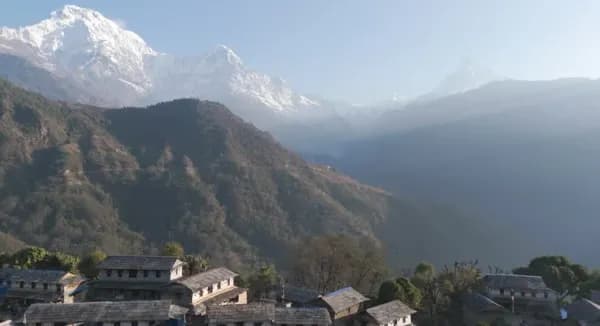
Geographically, Bagmati Province is characterized by its diverse terrain, ranging from the fertile plains of the Terai region to the rugged hills of the Mahabharat range. This varied geography provides a stunning backdrop, with lush green valleys, terraced fields, and impressive mountain views. The Bagmati River, a sacred waterway, flows through the province, enhancing its spiritual significance.
The vibe in Bagmati is a unique blend of traditional and modern. Urban areas like Kathmandu and Lalitpur are alive with energy, showcasing a fusion of ancient practices and contemporary lifestyles. Meanwhile, rural areas maintain their agricultural roots, offering a tranquil escape into nature. Travelers can expect to encounter warm hospitality, as the locals take pride in their rich heritage and are eager to share their stories.
Bagmati Province offers a range of accommodation options to suit various budgets. In the capital city, Kathmandu, visitors can find luxury hotels like the Dwarika's Hotel, which features traditional architecture and modern amenities. This five-star establishment is renowned for its exceptional service and cultural experiences, such as traditional Nepali dining and guided heritage tours.
For mid-range options, Thamel is a bustling area filled with guesthouses and boutique hotels that combine comfort with affordability. Places like Hotel Moonlight provide cozy rooms and friendly service, making them ideal for budget-conscious travelers.
On the other end of the spectrum, backpackers can find numerous hostels and budget hotels scattered throughout the province, particularly in areas like Bhaktapur and Patan. These affordable accommodations often come with local charm, offering shared facilities and opportunities to connect with fellow travelers.
Getting around Bagmati Province can be an adventure in itself. The local transportation system includes buses, microbuses, and cycle rickshaws, which are both economical and efficient. For short distances, local buses are a popular choice, packed with passengers and often providing a glimpse into daily life.
Many travelers opt for taxis or ride-sharing apps like Tootle and Pathao, which are widely used in the urban areas. However, for those looking to explore like a local, renting a bicycle or motorbike can be an exhilarating way to navigate the scenic routes and hidden corners of the province.
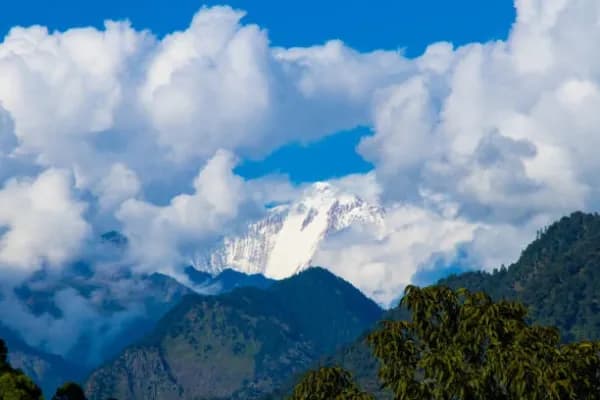
Bagmati Province is surrounded by a myriad of hidden gems waiting to be explored. Just a short drive from Kathmandu, the town of Nagarkot offers breathtaking views of the Himalayas, especially during sunrise and sunset. It's a popular spot for hiking and photography.
Another excursion worth taking is to Bhaktapur, a UNESCO World Heritage Site known for its well-preserved medieval architecture and rich traditions. The town's Durbar Square is a must-visit, featuring ancient temples, palaces, and vibrant local markets.
For those seeking tranquility, the serene lakes at Pashupatinath are a hidden oasis. Visitors can enjoy birdwatching and nature walks in this peaceful environment, often away from the tourist crowds.
The best time to visit Bagmati Province is during the spring and autumn months. Spring (March to May) showcases blooming rhododendrons and mild temperatures, making it ideal for trekking and outdoor activities. Autumn (September to November) offers clear skies and pleasant weather, perfect for sightseeing.
Winter (December to February) can be chilly, especially in higher altitudes, but it provides a unique opportunity to experience local festivals and fewer crowds. The monsoon season (June to August) brings heavy rainfall, which may disrupt travel plans but rejuvenates the lush landscapes.
Bagmati Province experiences a diverse climate throughout the year. January is typically the coldest month, with temperatures dropping to around 5°C (41°F) in the evenings. As spring approaches in March, temperatures gradually rise to about 20°C (68°F).
By June, the monsoon season begins, bringing humidity and regular downpours. Average temperatures range from 20°C to 30°C (68°F to 86°F) during this time. As autumn sets in September, the weather becomes cooler and dry, providing a comfortable atmosphere for exploration.
December sees temperatures dropping again, making it a perfect time to enjoy the festive spirit in the region.
The culture of Bagmati Province is a vibrant tapestry woven from centuries of history, faith, and community. Festivals play a significant role in the lives of the locals, with Dashain and Tihar being two of the most celebrated. Dashain, a 15-day Hindu festival, marks the victory of the goddess Durga over the demon king Mahishasura and is a time for family reunions and rituals.
Tihar, known as the festival of lights, follows Dashain and spans five days, celebrating the bond between humans and animals. During this time, homes are adorned with lights and colorful decorations, and families come together to feasts and festivities.
The people of Bagmati are known for their warm hospitality and deep-rooted traditions. Visitors should be mindful of local etiquette, such as removing shoes before entering homes and temples and dressing modestly when visiting religious sites.
Bagmati Province boasts a rich culinary heritage that reflects its diverse cultural influences. Must-try dishes include momo (dumplings), which are a staple in Nepalese cuisine. They can be found in various forms, including steamed, fried, or served with spicy dipping sauces.
Another popular dish is dal bhat, a traditional meal consisting of lentil soup served with rice and accompanied by vegetables and pickles. This hearty dish is a daily staple for many locals and is often enjoyed with family.
Street food is also a significant part of the local food scene. Vendors sell a variety of snacks, including sel roti (a traditional rice-based doughnut) and chaat (spicy snacks), which are perfect for those looking to indulge in the local flavors.
Bagmati Province is home to a plethora of tourist attractions that reflect its cultural and historical richness. One of the most iconic is the Pashupatinath Temple, a sacred Hindu site dedicated to Lord Shiva. This UNESCO World Heritage Site attracts pilgrims from around the world and features stunning architecture along the banks of the Bagmati River.
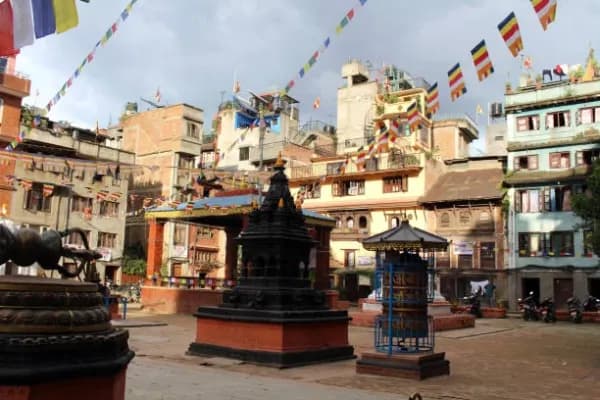
Another must-visit is Bhaktapur Durbar Square, a medieval plaza surrounded by intricately carved temples and palaces. The square is a living museum, showcasing the architectural prowess of the Malla kings and offering a glimpse into Nepal's vibrant history.
Durbar Square in Kathmandu is another landmark worth exploring. This UNESCO site is home to several important temples and the Hanuman Dhoka Palace, where the Malla kings once ruled. The square buzzes with energy, filled with local artisans and vendors.
For nature lovers, the Shivapuri National Park provides a stunning escape from the urban hustle. With its diverse flora and fauna, it's an excellent spot for hiking and birdwatching, offering trails with breathtaking views of the Kathmandu Valley.
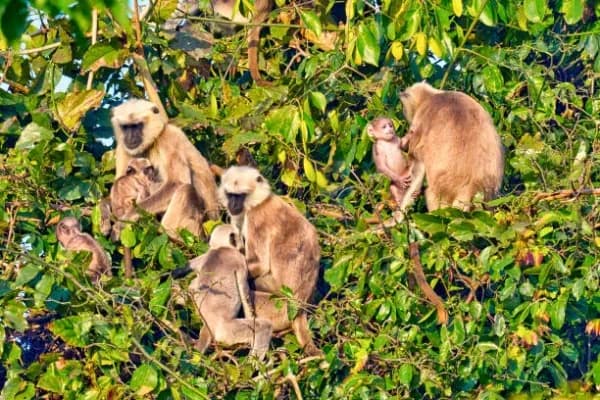
Lastly, the Swayambhunath Stupa, also known as the Monkey Temple, is a UNESCO World Heritage Site perched atop a hill. Visitors can enjoy panoramic views of the city while observing the prayers and rituals of the local Buddhist community.
Nearby places worth adding to your itinerary.
Top stays in Bagmati Province picked for comfort, value, and great guest reviews.