
Basco
Explore stays
Nestled in the northernmost province of the Philippines, Basco serves as the capital of Batanes, a province renowned for its idyllic landscapes and unique cultural heritage. The town of Basco is named after Captain General José Basco y Vargas, who was instrumental in the colonization of the area during the Spanish era. This historical backdrop gives Basco a distinct colonial charm, blending seamlessly with its natural beauty.
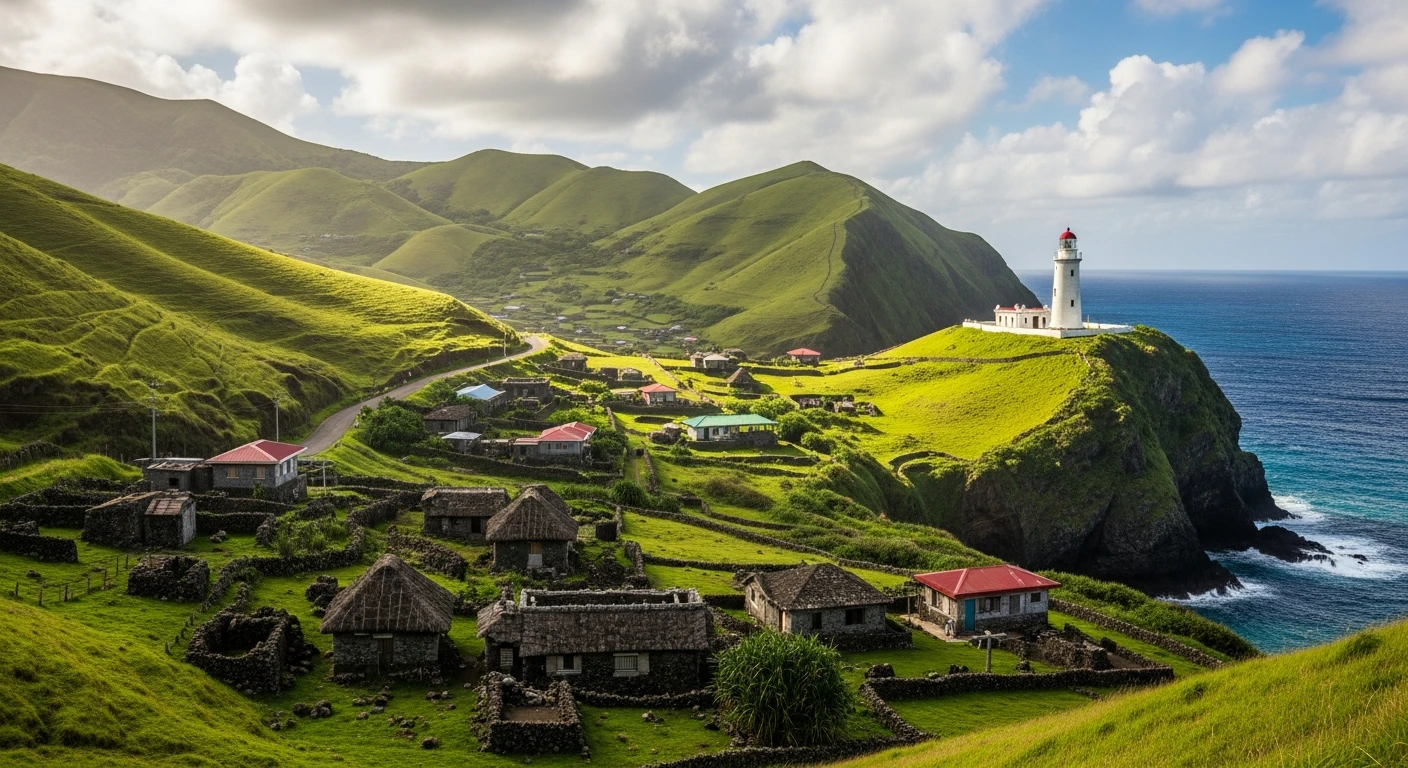
Geographically, Basco is situated on Batan Island, the largest in the Batanes archipelago. The island is characterized by rolling hills, dramatic cliffs, and the vast expanse of the West Philippine Sea. Its rugged terrain and verdant pastures offer a stark contrast to the azure waters that surround it, creating a picturesque setting that is both tranquil and awe-inspiring.
The vibe in Basco is laid-back and serene, with a hint of mystery that beckons travelers to explore its hidden corners. The Ivatans, the indigenous people of Batanes, are known for their warmth and hospitality, often inviting visitors to partake in local customs and traditions. This close-knit community adds to the charm of Basco, making it a destination where one can truly disconnect and immerse in the simplicity of island life.
Basco offers a range of accommodations that cater to different preferences and budgets. For those seeking luxury, Fundacion Pacita Batanes Nature Lodge is a top choice. Perched on a hill, this boutique hotel provides stunning views of the ocean and surrounding landscapes, with rooms that showcase the art and culture of Batanes.
On the other hand, budget travelers can find comfort in homestays and guesthouses such as Marfel's Lodge, which offer a more intimate experience with the local community. These accommodations provide basic amenities and a chance to engage with the Ivatans, often sharing meals and stories with visitors.
Whether you choose a luxurious retreat or a cozy homestay, staying in Basco allows you to experience the genuine hospitality and tranquil environment that Batanes is famous for.
Getting around Basco and the rest of Batanes is part of the adventure. The most common mode of transportation is the tricycle, a motorbike with a sidecar that can navigate the narrow roads and steep hills of the island. Tricycles are readily available and can be hired for day tours or short trips within Basco.
For a more immersive experience, consider renting a bicycle or motorbike. This allows you to explore at your own pace and stop at scenic spots along the way. Biking is particularly popular among tourists who wish to take in the breathtaking views and fresh air of Batanes.
For those who prefer guided tours, there are local operators offering van rentals with knowledgeable guides who can provide insights into the history and culture of Basco and its surroundings.
While Basco itself is a treasure trove of natural beauty and cultural heritage, the surrounding areas offer hidden gems waiting to be discovered. A must-visit is the Valugan Boulder Beach, known for its unique landscape of smooth boulders formed by volcanic activity. It's a perfect spot for photography and quiet contemplation.
Another excursion worth taking is a trip to the Vayang Rolling Hills. This expansive area of undulating hills provides panoramic views of the West Philippine Sea and is a testament to the untouched beauty of Batanes. The hills are often described as the 'Marlboro Country' of the Philippines due to their resemblance to the iconic landscapes featured in cigarette advertisements.
For a taste of local history, visit the Dipnaysupuan Japanese Tunnel, a remnant from World War II. This tunnel complex offers a glimpse into the past and the strategic importance of Batanes during the war.
The best time to visit Basco and the rest of Batanes is during the dry season, from March to June. During these months, the weather is generally pleasant, with clear skies and minimal rainfall, making it ideal for outdoor activities and sightseeing.
July to October is the typhoon season in Batanes, and while the dramatic weather can be an experience in itself, it may disrupt travel plans. If you choose to visit during this period, be prepared for potential delays and cancellations.
November to February brings cooler temperatures and a chance to experience the unique Ivatan Christmas traditions, adding a cultural dimension to your visit.
Basco experiences a tropical climate with distinct wet and dry seasons. January to March is the coolest period, with temperatures ranging from 20°C to 25°C, providing a refreshing escape from the tropical heat typical of other Philippine destinations.
April to June marks the dry season, with temperatures climbing to 28°C. This period is perfect for exploring the outdoors and enjoying the natural beauty of Batanes.
From July to December, the weather can be unpredictable due to the monsoon and typhoon seasons, with heavy rains and strong winds being common. Despite this, the lush landscapes during this time offer a different kind of charm.
The culture of Basco and Batanes is deeply rooted in the traditions and practices of the Ivatans. Known for their resilience and adaptability, the Ivatans have developed unique customs to thrive in the often harsh environment of the islands.
Festivals play a significant role in Ivatan culture, with the most notable being the Vakul-Kanayi Festival, celebrating the iconic Ivatan headgear and vest. This festival showcases traditional music, dance, and crafts, providing visitors with a vibrant display of Ivatan heritage.
Etiquette in Batanes is centered around respect and community. Visitors are encouraged to greet locals with a smile and adhere to local customs, such as removing shoes before entering homes.
Batanes offers a culinary experience that is as unique as its landscape. Must-eat dishes include 'Uvud,' a traditional dish made from banana pith, pork, and fish, reflecting the resourcefulness of the Ivatans in using local ingredients.
Another delicacy is 'Dibang,' or flying fish, often served grilled or dried. The abundance of seafood in Batanes makes it a staple in the local diet, with fresh catches available daily.
Don't miss trying 'Vunes,' a savory dish made from dried gabi (taro) leaves, showcasing the simple yet flavorful cooking style of the Ivatans.
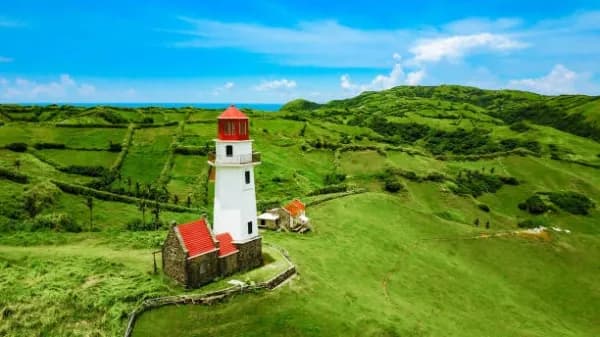
Basco Lighthouse is perhaps the most iconic landmark in Batanes, offering panoramic views of the town and the surrounding sea. Climbing to the top provides a breathtaking vantage point, especially during sunrise or sunset.
Another must-visit is the Basco Cathedral, also known as Santo Domingo de Basco Church. This historical church, built in the 18th century, is a testament to the enduring faith and resilience of the Ivatan people.
The Naidi Hills, located just a short distance from Basco, offer another spectacular viewpoint. The lush green hills and the ruins of an old telegraph station add a touch of history to this picturesque spot.
For nature lovers, the Mt. Iraya Volcano is an adventurous hike waiting to be conquered. This dormant volcano is the highest point on Batan Island, providing a challenging yet rewarding trek with stunning views.
Lastly, explore the Honesty Coffee Shop, a unique establishment where customers are trusted to pay for their purchases without supervision. This shop embodies the values of trust and integrity that are central to the Ivatan way of life.
Nearby places worth adding to your itinerary.
Top stays in Basco, Batanes picked for comfort, value, and great guest reviews.