Agusan Del Norte
Explore stays
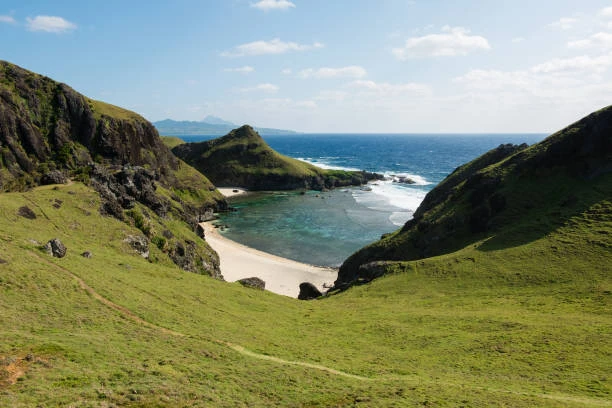
Batan Island, part of the Batanes archipelago in the northernmost region of the Philippines, is a stunning fusion of lush landscapes, rich history, and vibrant local culture. Historically, it was believed that the island was populated as early as 4000 B.C. by the Austronesian people, making it a treasure trove of cultural heritage. The island played a significant role during World War II, where it served as a strategic point for both Japanese and American forces.
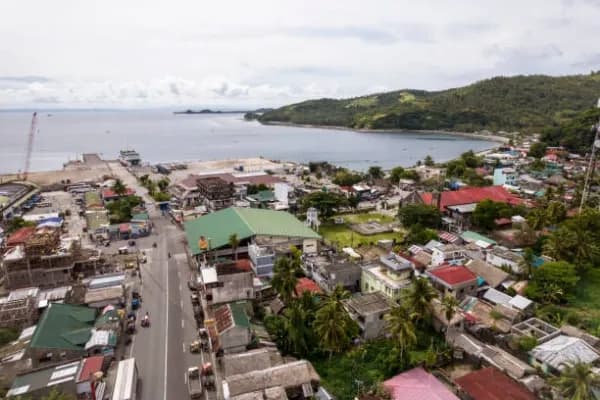
Geographically, Batan Island boasts a rugged terrain characterized by rolling hills, steep cliffs, and breathtaking coastlines. The island is surrounded by the South China Sea and the Philippine Sea, offering a diverse marine environment that attracts eco-tourists and adventure seekers alike. The local vibe is tranquil yet vibrant, with small villages scattered throughout the island, each showcasing the warm hospitality of the Ivatan people.
In addition to its historical significance, Batan Island is known for its unique stone houses, which are designed to withstand the island's strong winds. The culture is deeply rooted in the sea, and fishing is a primary source of livelihood for many locals, reflecting their close relationship with nature. The island's natural beauty, combined with its rich history and the warmth of its people, creates an enchanting atmosphere that invites exploration and discovery.
When it comes to accommodation on Batan Island, there are various options catering to different budgets and preferences. For those seeking luxury, the Fundacion Pacita is a top-tier choice. Nestled on a hill overlooking the sea, it offers breathtaking views, elegantly designed rooms, and an on-site restaurant that serves local cuisine. The ambience here is serene, making it perfect for relaxation after a day of exploration.
For travelers on a budget, there are several guesthouses and homestays, such as the Alejandra's Homestay, where visitors can experience local life firsthand. This family-run establishment offers cozy accommodations at an affordable price, along with the chance to enjoy home-cooked Ivatan meals. Staying in a local home not only saves money but also enriches your cultural experience, as hosts often share stories and insights about their traditions.
Navigating Batan Island like a local can be an adventure in itself. The most common mode of transportation is the tricycle, a motorized vehicle that can accommodate a few passengers. They are readily available and can take you anywhere on the island. For a more authentic experience, consider renting a bicycle to explore the scenic countryside at your own pace. Additionally, many accommodations offer guided tours that include transportation, allowing you to sit back and enjoy the beautiful views without the hassle of navigation.
Beyond the main attractions, Batan Island is dotted with hidden gems that are worth exploring. One of these is the picturesque village of Sabtang, accessible by a short boat ride. Sabtang is known for its traditional Ivatan stone houses and stunning beaches, like Nakabuang Beach, where visitors can enjoy a relaxing day by the sea.
Another must-visit is the historical town of Mahatao, where you can find the iconic Nakabuang Arch and the beautiful Mahatao Lighthouse, offering panoramic views of the surrounding landscape. For those seeking adventure, the hiking trails in the hills leading to the historic Japanese lighthouse offer a rewarding experience, with breathtaking vistas awaiting at the summit.
The best time to visit Batan Island is during the dry season, which typically runs from October to June. This period is characterized by sunny days and pleasant temperatures, ideal for outdoor activities and sightseeing. Conversely, the rainy season spans from July to September, when the island experiences heavy rainfall and occasional typhoons, making it less favorable for travel.
Within the dry season, the months of March to May are particularly popular among tourists, as the weather is warm and conducive for beach activities. However, visiting in the off-peak months of October and November can offer a more tranquil experience, allowing for deeper immersion into local culture without the crowds.
Batan Island experiences a tropical climate, with distinct wet and dry seasons. From January to March, the weather is cool and dry, with temperatures ranging from 20°C to 25°C (68°F to 77°F). April and May bring warmer temperatures, often reaching up to 30°C (86°F), making it perfect for beach outings and hiking.
June marks the onset of the rainy season, bringing occasional showers and humidity. July and August are the wettest months, with heavy rainfall and increased risk of typhoons. September sees a gradual decrease in rain, leading back into the drier months, where October and November become more pleasant, making it an ideal time for exploration.
The culture of Batan Island is deeply influenced by its history and the natural environment. The Ivatan people, known for their resilience and resourcefulness, host colorful festivals throughout the year, such as the Vatang Festival in July, celebrating their rich cultural heritage and the abundance of the sea.
Local etiquette is rooted in respect and hospitality. Visitors are encouraged to greet locals warmly and show appreciation for their customs. Traditional Ivatan attire, especially during festivals, showcases vibrant colors and intricate designs, reflecting the island's cultural pride. Engaging with locals, whether through shared meals or stories, can provide invaluable insights into their way of life.
The culinary landscape of Batan Island is a delightful journey into Ivatan flavors, heavily influenced by the island's geography and local ingredients. One must-try dish is the 'Uved,' a traditional Ivatan dish made from boiled and pounded taro, served with a savory sauce. Another local favorite is 'Lokal,' a dish of roasted meat often paired with rice or root vegetables.
Batan Island is also famous for its 'Tugaw,' a rice delicacy typically made during special occasions, which reflects the Ivatan people's ingenuity in using available resources. The local cuisine is not only delicious but also tells the story of the Ivatan people's connection to the land and sea, making every meal a cultural experience.
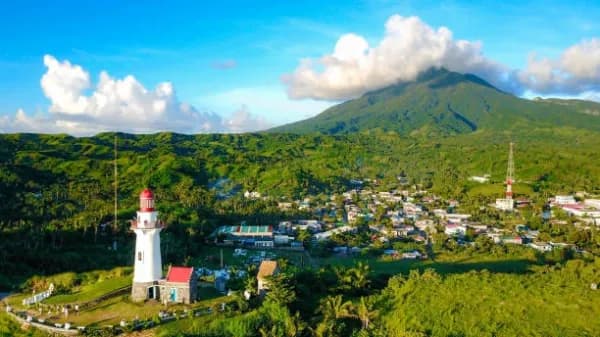
Batan Island is home to several breathtaking landmarks, each telling a story of the island's past and natural beauty. One of the top attractions is the Basco Lighthouse, perched on a hilltop, offering panoramic views of the sea and surrounding landscapes. This historic lighthouse, built during the Spanish colonial era, serves as a symbol of the island's maritime heritage.
Another iconic site is the Mahatao Church, a stunning structure known for its unique architecture and historical significance. The church stands as a testament to the Ivatan people's strong faith and resilience throughout the years.
The Valugan Boulder Beach is another must-see, showcasing a unique landscape of smooth boulders that have been shaped by powerful waves. It's an excellent spot for photography and contemplation, offering a serene atmosphere.
The Chawa View Deck provides breathtaking views of the Pacific Ocean, especially during sunset, making it a favorite spot for both locals and tourists alike. Lastly, the picturesque village of Savidug, with its traditional stone houses and vibrant landscapes, offers a glimpse into the Ivatan way of life and is perfect for cultural immersion.
Nearby places worth adding to your itinerary.
Top stays in Batan Island picked for comfort, value, and great guest reviews.