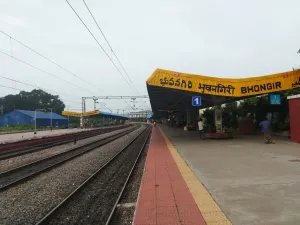
Bhuvanagiri: Unveiling the Beauty and Tranquility
Welcome to Bhuvanagiri, a place where history whispers through ancient stones and nature unfolds in serene landscapes. This detailed guide is designed to help you experience the best of this enchanting destination. Whether you are drawn by historical intrigue, natural beauty, or the charm of local culture, Bhuvanagiri offers a unique and memorable experience.
Overview of Bhuvanagiri
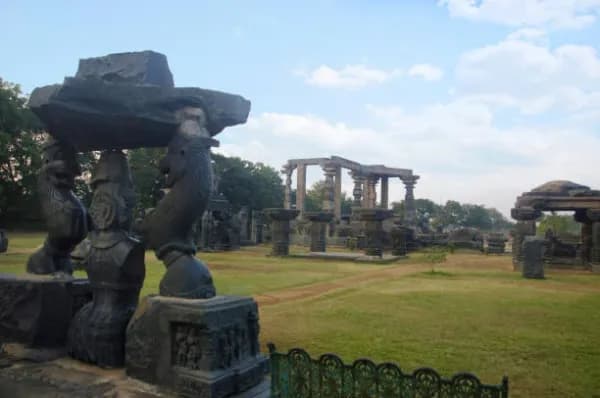
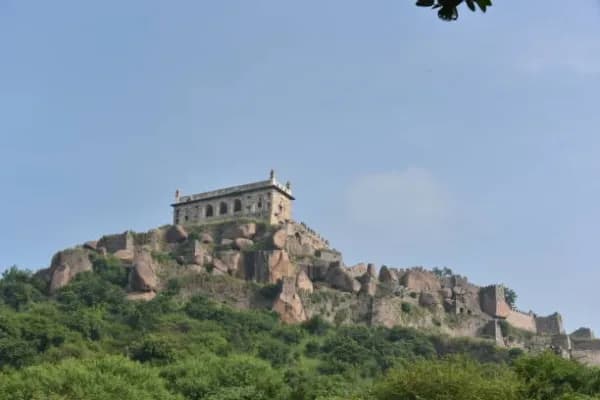
Bhuvanagiri, often referred to by its historical name, is a town steeped in history and surrounded by natural beauty. The most prominent feature of Bhuvanagiri is its magnificent fort, a testament to bygone eras. Beyond the fort, the region offers picturesque landscapes, a glimpse into traditional culture, and a peaceful atmosphere that invites relaxation. Historically significant, Bhuvanagiri has witnessed various rulers and events, leaving behind a rich tapestry of heritage. Today, it stands as a blend of historical charm and quiet rural life, offering a refreshing contrast to bustling urban centers. The people of Bhuvanagiri are known for their warmth and hospitality, making visitors feel welcome.
Stay Options in Bhuvanagiri
While Bhuvanagiri might not boast an array of luxury hotels, it provides comfortable and authentic accommodation choices that cater to different needs:
- Guesthouses: Several guesthouses in Bhuvanagiri offer a cozy and friendly environment. These are often run by local families and provide insights into the local culture.
- Budget Hotels: You can find budget-friendly hotels that provide essential amenities and clean rooms, suitable for travelers looking for affordable options.
- Heritage Stays (if available): Given the historical significance of Bhuvanagiri, there might be opportunities for heritage stays in restored traditional houses or smaller historical properties, offering a unique experience.
- Nearby Towns: If Bhuvanagiri itself has limited options, nearby towns might offer a wider range of hotels and resorts, which can be considered for a more extensive stay.
- Homestays: Experiencing a homestay in Bhuvanagiri can be a wonderful way to immerse yourself in the local way of life, enjoy home-cooked meals, and interact closely with the hosts.
It is advisable to book your accommodation in advance, especially during peak tourist seasons or local festivals, to ensure availability and secure the best options.
Local Transportation in Bhuvanagiri
Getting around Bhuvanagiri and its surroundings is facilitated by several local transportation options:
- Auto-rickshaws: These are a common and convenient mode of transport for navigating within Bhuvanagiri and for short distances to nearby areas. Fares are usually negotiable.
- Cycle-rickshaws: For shorter distances and a leisurely pace, cycle-rickshaws offer a charming way to explore the local streets and soak in the atmosphere.
- Local Buses: State-run and private buses connect Bhuvanagiri to neighboring towns and cities. These are an economical option for longer journeys.
- Taxis/Private Cars: Hiring taxis or private cars provides more comfort and flexibility, especially if you plan to visit multiple attractions around Bhuvanagiri. These can usually be arranged through your accommodation or local travel agencies.
- Walking: Exploring the main parts of Bhuvanagiri on foot can be a pleasant experience, allowing you to appreciate the local architecture and interact with the community at your own pace.
Consider the distances you plan to travel and your comfort level when choosing the best mode of transportation in Bhuvanagiri.
Excursions from Bhuvanagiri
Bhuvanagiri's strategic location makes it a good base for exploring the surrounding region, which is rich in history, nature, and culture. Here are some potential excursions:
- Nearby Historical Sites: The region around Bhuvanagiri might have other forts, temples, or historical towns that offer further insights into the area's past.
- Nature Spots: Depending on the geography, there could be nearby lakes, hills, or forests that provide opportunities for nature walks, picnics, and enjoying scenic views.
- Local Craft Centers: If the area is known for any specific crafts, visiting local workshops or markets can be an interesting experience.
- Other Towns of Cultural Significance: Neighboring towns might have their own unique cultural identities, temples, or traditions worth exploring.
Researching the specific attractions and their accessibility from Bhuvanagiri will help you plan your day trips effectively.
Best Time to Visit Bhuvanagiri
The ideal time to visit Bhuvanagiri largely depends on the local climate and your preferences for weather and outdoor activities:
- Winter (October to February): This period generally offers the most pleasant weather, with mild temperatures and clear skies. It is ideal for sightseeing and exploring the historical sites without the discomfort of extreme heat.
- Early Summer (March): The weather remains relatively pleasant in early summer, making it a good time to visit before the heat intensifies.
- Summer (April to June): Summers in Bhuvanagiri can be hot and dry, which might make extensive outdoor exploration less comfortable. However, you might find fewer crowds during this time.
- Monsoon (July to September): The monsoon season brings rainfall, which can make the surroundings lush and green. However, heavy rains might occasionally disrupt travel plans and outdoor activities.
- Post-Monsoon (October): The period immediately after the monsoon is also pleasant, with refreshed landscapes and comfortable temperatures.
Consider the typical weather patterns and your tolerance for heat and humidity when planning your visit to Bhuvanagiri.
Weather in Bhuvanagiri
The weather in Bhuvanagiri typically follows a seasonal pattern:
- Winter (December to February): Winters are generally mild and comfortable, with daytime temperatures being pleasant and nighttime temperatures dropping slightly. Light woolens might be needed.
- Spring (March to April): Spring brings a gradual increase in temperatures, with warm and sunny days.
- Summer (May to June): Summers are hot, with temperatures potentially reaching higher levels. It is usually dry during this period.
- Monsoon (July to September): The monsoon season brings significant rainfall, with varying intensity. Humidity levels also tend to be higher.
- Autumn (October to November): Autumn marks a transition from the monsoon to winter, with clear skies and a gradual decrease in temperatures, leading to pleasant weather.
Checking the local weather forecast closer to your travel dates is always recommended to ensure you are prepared for the conditions in Bhuvanagiri.
Culture of Bhuvanagiri
The culture of Bhuvanagiri is deeply intertwined with its history and local traditions. You can expect to experience:
- Historical Influences: The historical significance of Bhuvanagiri is reflected in its architecture, local customs, and stories passed down through generations.
- Local Festivals: If your visit coincides with any local festivals, you will have the opportunity to witness vibrant celebrations, traditional music, and dance forms that are unique to the region.
- Traditional Arts and Crafts: The area might be known for specific handicrafts or art forms. Exploring local markets or artisan workshops can provide insights into these traditions.
- Language: The primary language spoken in Bhuvanagiri will be the local language of the region. While some people might understand other languages, learning a few basic local phrases can enhance your interactions.
- Community Spirit: You will likely find a strong sense of community and warmth among the people of Bhuvanagiri.
Engaging with the local culture will enrich your experience in Bhuvanagiri and provide a deeper understanding of the place.
Local Food Options in Bhuvanagiri
The local cuisine of Bhuvanagiri is likely to be based on regional flavors and locally available ingredients. You can expect:
- Traditional Dishes: Staple foods might include rice, lentils, locally sourced vegetables, and various curries that are characteristic of the region.
- Regional Specialties: There might be specific dishes that are unique to Bhuvanagiri or the surrounding area, reflecting the local culinary traditions.
- Street Food: Exploring local markets and streets might offer opportunities to sample local snacks and street food items, providing a taste of everyday flavors.
- Simple Eateries: You will likely find small local restaurants and food stalls that serve traditional meals at affordable prices.
- Home-cooked Meals: If you are staying in a guesthouse or homestay, you might have the chance to enjoy authentic home-cooked meals prepared with local recipes.
Be open to trying the local food in Bhuvanagiri, as it is an integral part of experiencing the local culture and flavors.
Tourist Attractions in Bhuvanagiri
Bhuvanagiri and its surroundings offer several attractions that are worth exploring:
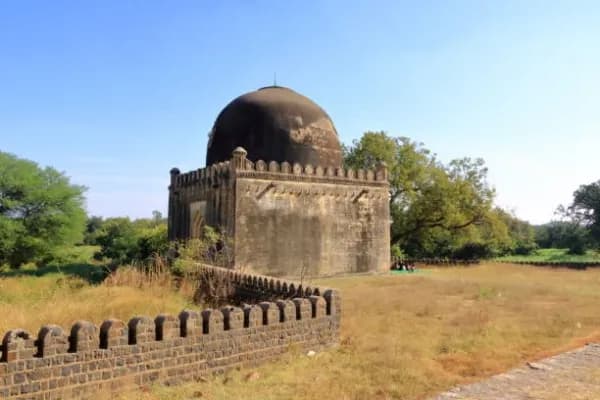
- Bhuvanagiri Fort: The most prominent landmark, this historical fort offers insights into the region's past and provides panoramic views of the surrounding landscape. Exploring its various structures and learning about its history is a must.
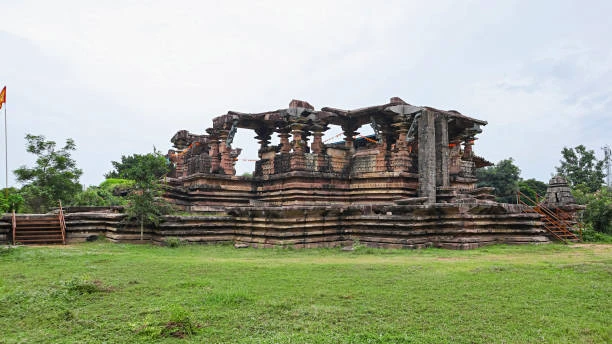
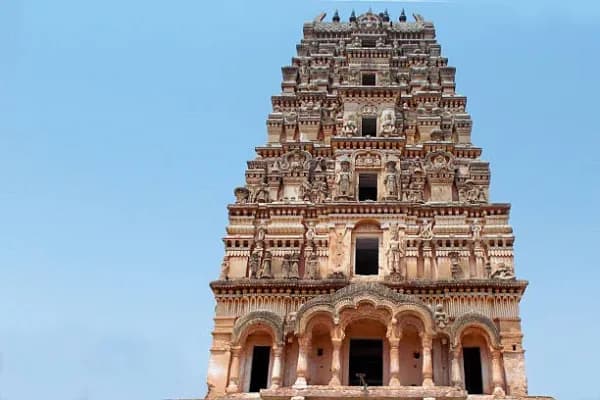
- Local Temples: There might be ancient or significant temples in Bhuvanagiri that showcase local architecture and religious traditions.
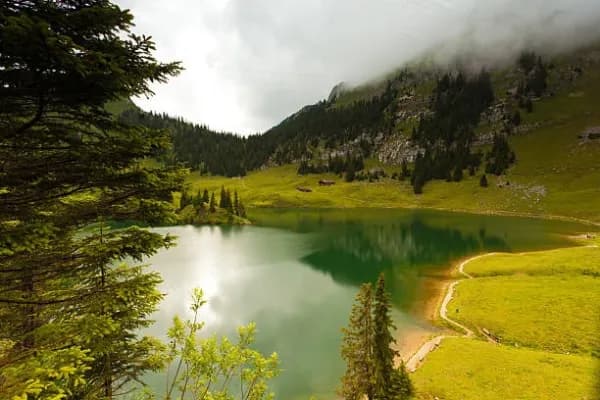
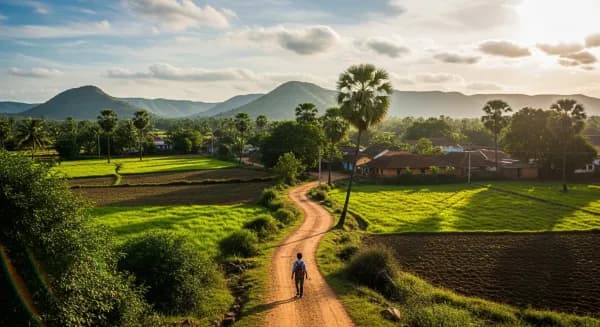
- Scenic Viewpoints: The natural terrain around Bhuvanagiri might offer viewpoints that provide beautiful vistas of the valleys and landscapes.
- Local Markets: The bustling local markets can be a great place to experience the daily life of the community, shop for local produce, and perhaps find traditional crafts.
- Historical Buildings/Sites (other than the fort): Depending on the history of Bhuvanagiri, there might be other old buildings or sites of historical interest.
Exploring these attractions will give you a well-rounded experience of Bhuvanagiri's history, culture, and natural beauty.