Aceh
Explore stays
Bintuni is a small town located in the East Bintuni district of Teluk Bintuni Regency, in the western part of Papua, Indonesia. While it may not be as famous as other tourist destinations in Indonesia, Bintuni offers an unspoiled, raw experience of nature, culture, and adventure. This remote location is an excellent destination for those seeking off-the-beaten-path travel, vibrant indigenous cultures, and unique natural landscapes.
In this guide, we’ll take you through everything you need to know about visiting Bintuni, from its location to the best things to do in the area, and how to make the most of your trip.
Bintuni is located in the East Bintuni district of Teluk Bintuni Regency, which is part of the West Papua province of Indonesia. This regency is situated on the Bird’s Head Peninsula in the westernmost part of the island of New Guinea. Bintuni itself lies along the Bintuni Bay, a large and shallow bay that is rich in biodiversity.
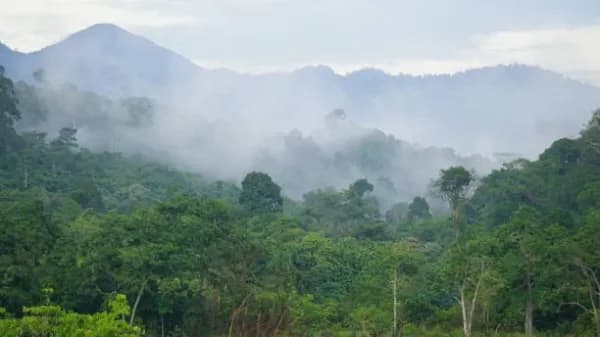
The area surrounding Bintuni is characterized by vast coastal mangrove forests, pristine rivers, and a range of wildlife species, making it an ideal destination for eco-tourism and nature lovers. The town is small, with a growing population primarily involved in fishing and other local industries. Bintuni also serves as a gateway to explore the surrounding natural beauty, including remote islands and the Bintuni Bay.
The easiest way to reach Bintuni is by flying into Rendani Airport (also known as Manokwari Airport) in Manokwari, the capital of West Papua. There are direct flights to Manokwari from major cities in Indonesia, such as Jakarta and Surabaya. From Manokwari, you can take a domestic flight or a smaller charter flight to Bintuni.
While Bintuni itself does not have a major airport, it is well-connected by air through Manokwari. The flight from Manokwari to Bintuni typically takes 45 minutes to 1 hour, and there are limited flights available, so it’s essential to book in advance.
For those traveling overland or from nearby coastal towns, you can also reach Bintuni by boat. The port town of Bintuni is accessible via ferry services that connect various coastal towns and islands in the region. While slower than flying, traveling by boat provides a chance to enjoy the scenic beauty of the coast and the rivers in West Papua.
While Bintuni does not have direct access to the main road network in Papua, it can still be accessed by 4x4 vehicles from Manokwari or other nearby towns. However, the road conditions may not be ideal, especially during the rainy season, so it’s important to prepare for challenging travel conditions.
One of the main attractions near Bintuni is the Bintuni Bay, a large and shallow bay known for its lush mangrove forests. The bay is an ecological treasure trove, with numerous species of fish, birds, and marine life. It’s a great place for boating, fishing, and birdwatching. The Bintuni Bay Mangrove Forests are home to one of the largest mangrove ecosystems in the world, making this a must-visit spot for eco-tourism enthusiasts.
You can take boat tours through the bay, exploring the mangrove-lined waterways and spotting wildlife like sea turtles, crocodiles, and a variety of bird species, including the famous Bird of Paradise. The peaceful surroundings and natural beauty make it an ideal spot for photography, nature walks, and tranquil boat rides.
The natural landscapes around Bintuni are rich in wildlife. The region is home to an incredible variety of species, from marine creatures like dugongs and various species of fish to land animals such as marsupials, wild pigs, and birds. Eco-tourism is an emerging activity in Bintuni, and visitors can take part in organized tours to observe the region’s diverse wildlife.
Some of the wildlife excursions around Bintuni include birdwatching tours, where you might spot rare species such as the Wilson's bird-of-paradise, or visit nearby nature reserves for more in-depth exploration. A visit to the Arfak Mountains for trekking and wildlife spotting is also highly recommended.
While Bintuni is primarily known for its natural beauty, the local communities are an important part of its charm. The Bintuni area is home to various indigenous tribes, including the Mpur and Kaimana peoples, who maintain their traditional way of life. Visiting local villages offers a fascinating opportunity to learn about the Papuan culture, traditions, and crafts.
In the nearby villages, you can see traditional Papuan houses made of local materials, sample local dishes, and observe daily life. Many villages are involved in sustainable fishing and agriculture, providing a chance for visitors to participate in or observe traditional practices.
The Arfak Mountains are located to the south of Bintuni, offering adventurous visitors the chance to hike through pristine tropical forests. This area is not only great for trekking but is also rich in biodiversity, with various species of birds and animals unique to the region.
Trekking through the Arfak Mountains allows you to experience breathtaking views, untouched rainforest, and perhaps even discover some of the lesser-known species of flora and fauna that make this region a hotspot for eco-tourism. The region is also home to some indigenous communities who still live traditionally.
A short trip from Bintuni is Kaimana, a coastal town with stunning beaches and coral reefs. Kaimana is known for its pristine beaches and diving spots, offering excellent opportunities for underwater exploration. You can also visit nearby islands such as Pulau Kaimana or Pulau Kofiau for more secluded beaches and nature experiences.
These islands are perfect for snorkeling, diving, or simply enjoying the peace and tranquility of remote Papuan islands.
In Bintuni, food options are relatively simple but full of fresh and local ingredients. As the region is primarily based on fishing, fresh seafood is abundant. You can enjoy a variety of dishes featuring fish, prawns, crabs, and squid. These are often served grilled or cooked in local stews, with rice or tubers as staples.
You will also find local specialties, such as Papuan sago-based dishes, and tropical fruits like bananas, papayas, and coconuts. There are a few small local restaurants and street vendors in Bintuni where you can sample these traditional dishes. It is advisable to try the Papuan-style grilled fish, which is often served with a spicy sambal (chili paste).
Public transport in Bintuni is quite limited. However, there are local forms of transportation available, including motorbikes and public vans for short-distance travel. For longer trips, you can rely on boat transport or 4x4 vehicles, especially if you're venturing to nearby towns or remote locations.
If you're planning on exploring the surrounding natural areas, it’s advisable to hire a local guide with a boat or 4x4 vehicle. They will be able to help navigate the more difficult terrain and take you to some of the less accessible parts of Bintuni and its surroundings.
The best time to visit Bintuni is during the dry season, which lasts from April to October. During this time, the weather is more predictable, with less rainfall, making it ideal for outdoor activities such as trekking, wildlife watching, and boating.
The rainy season lasts from November to March, when heavy rainfall can make some areas difficult to access, and the humidity is higher. However, for nature enthusiasts and those seeking a more secluded experience, visiting during the rainy season can offer a unique perspective on the lush landscapes.
A trip to Bintuni typically takes around 3 to 5 days, depending on how much you wish to explore. During this time, you can visit the mangrove forests, enjoy river tours, explore the wildlife, and experience the local culture. If you’re interested in trekking the Arfak Mountains or visiting nearby islands, you might want to extend your trip to 7 days or more.
Nearby places worth adding to your itinerary.