Åland Islands
Explore stays
Tourism in Bosnia and Herzegovina: A Comprehensive Guide
Bosnia and Herzegovina (BiH) is a hidden gem in Southeastern Europe. Known for its stunning landscapes, historical cities, and rich cultural heritage, it’s an ideal destination for travelers seeking adventure, history, and authentic experiences. This small but diverse country offers something for everyone, from scenic mountains and rivers to medieval towns and vibrant cities. Whether you are an adventure lover, history buff, or a foodie, Bosnia and Herzegovina promises to leave a lasting impression.
Bosnia and Herzegovina is located on the Balkan Peninsula. It shares borders with Croatia to the north, west, and south, Serbia to the east, and Montenegro to the southeast. The country has a small coastline along the Adriatic Sea, making it an attractive destination for those seeking both mountain adventures and a coastal escape.
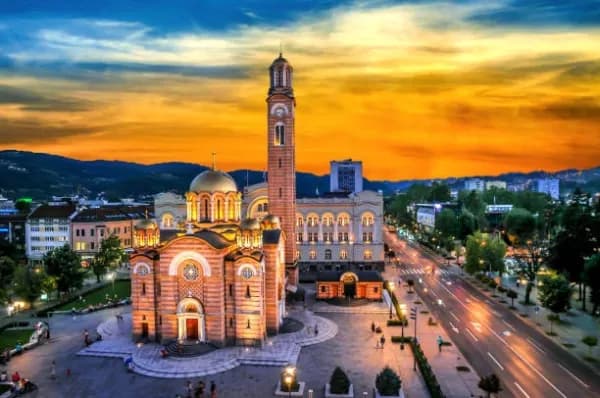
The country is divided into two main regions: Bosnia, which covers the northern and central parts of the country, and Herzegovina, located in the south. Sarajevo, the capital and largest city, is in the heart of Bosnia. Other key cities include Mostar, Banja Luka, and Zenica.
Bosnia and Herzegovina is a paradise for tourists who love outdoor activities, historical sites, and unique experiences. The country's mix of natural beauty and historical landmarks makes it an ideal spot for travelers.
Sarajevo: The capital city, Sarajevo, is nestled in a valley surrounded by mountains. Visitors can enjoy hiking, skiing, and snowboarding during the winter months. The city is also known for its beautiful rivers, such as the Miljacka River, perfect for relaxing walks.
Kravice Waterfalls: Located near the town of Ljubuški, the Kravice Waterfalls are one of Bosnia's most stunning natural wonders. The falls are a popular spot for swimming and picnicking in the summer.
Vrelo Bosne: Situated near Sarajevo, this natural spring is the source of the Bosna River. A beautiful location for walking, cycling, and enjoying the peaceful surroundings.
Tara National Park: Located on the border with Montenegro, this park is home to incredible landscapes, dense forests, and the famous Drina River canyon. It’s perfect for hiking, rafting, and wildlife watching.
Bjelasnica Mountain: Known for its winter sports resorts, Bjelasnica is popular for skiing and snowboarding in the winter months. In the summer, it is a great destination for hiking and mountain biking.
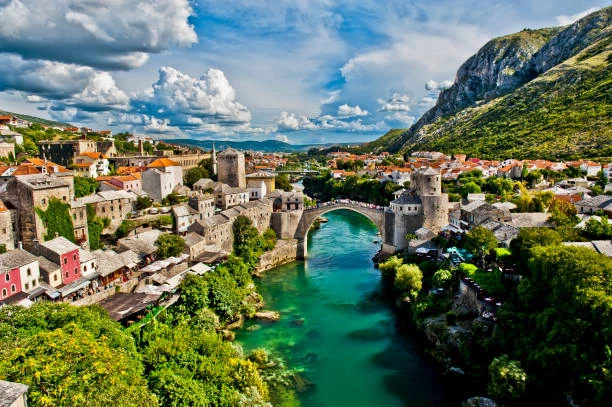
Mostar: This charming town is famous for its Old Bridge (Stari Most), a UNESCO World Heritage site. The bridge, which spans the Neretva River, is a symbol of Mostar and offers stunning views. The Old Bazaar, historic mosques, and Ottoman-era buildings make Mostar a must-visit for history enthusiasts.
Sarajevo: Sarajevo is a city that blends Ottoman, Austro-Hungarian, and Yugoslav influences. Explore the Baščaršija Bazaar, visit the Gazi Husrev-beg Mosque, and discover the Tunnel Museum which tells the story of Sarajevo during the Bosnian War.
Počitelj: This fortified village in Herzegovina is a beautiful mix of Ottoman and Mediterranean architecture. Climb to the top of the tower for a panoramic view of the Neretva River.
Blagaj: This picturesque town is home to the Blagaj Tekke, a 16th-century Dervish monastery located at the source of the Buna River. The view of the monastery by the river is breathtaking.
Jajce: Known for its medieval fortress, Jajce also features Jajce Waterfall, a stunning 21-meter waterfall that flows into the Pliva River. It is an excellent spot for photography and exploration.
Travnik: This town is known for its Ottoman architecture, including the Travnik Fortress and Sulejmanija Mosque. The town is also famous for its connection to Nobel laureate Ivo Andrić, who spent part of his life here.
Bosnia and Herzegovina’s proximity to Croatia, Serbia, and Montenegro makes it easy to explore neighboring countries as well. Here are a few attractions you can visit in the vicinity:
Dubrovnik, Croatia: Only a short drive from Mostar, Dubrovnik is a UNESCO World Heritage city known for its well-preserved medieval walls and beautiful Adriatic Sea views.
Kotor, Montenegro: Kotor is a historic town located by the Bay of Kotor. It offers dramatic scenery with its mountains and sea views. Visit the Kotor Old Town and climb the Kotor Fortress for panoramic views.
Belgrade, Serbia: Belgrade is about a 6-hour drive from Sarajevo. Known for its lively nightlife and rich history, it offers cultural sites like the Belgrade Fortress and Kalemegdan Park.
Bosnia and Herzegovina’s food is a mix of Ottoman, Mediterranean, and Central European influences. Traditional dishes include:
Food is affordable in Bosnia, and you can enjoy a delicious meal in a local restaurant or café. In cities like Sarajevo and Mostar, there are plenty of options ranging from traditional Bosnian eateries to international cuisine.
Bosnia and Herzegovina’s public transport system consists mainly of buses, taxis, and trains. Here’s how to get around:
The best time to visit Bosnia and Herzegovina is during the spring (April to June) and autumn (September to October). The weather is mild, and the country’s natural beauty is at its best. Summer (July and August) is also a great time to visit, especially for outdoor activities, although it can be quite hot. Winter (December to February) is ideal for skiing and winter sports in the mountains.
For a general visit, tourists can spend 5-7 days in Bosnia and Herzegovina. This allows enough time to explore the main cities like Sarajevo, Mostar, and Banja Luka, as well as the surrounding natural sites and attractions.
Nearby places worth adding to your itinerary.
Top stays in Bosnia and Herzegovina picked for comfort, value, and great guest reviews.
Local guide picks to help you explore Bosnia and Herzegovina better.