Banovina
Explore stays
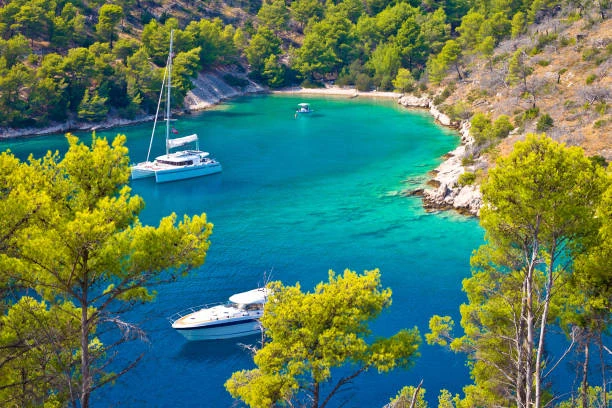
Brač, the largest island in central Dalmatia, Croatia, is renowned for its stunning beaches, rich history, and vibrant culture. It is located just a short ferry ride from Split, making it a popular destination for both locals and international travelers. Historically, Brač has been inhabited since the prehistoric period, with evidence of Roman settlements scattered around the island. The island's name is believed to derive from the Illyrian word 'Brentos,' meaning 'deer,' which hints at its lush landscapes.
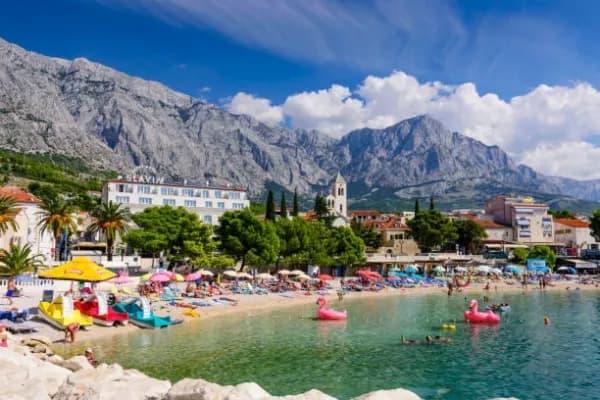
Geographically, Brač is characterized by its rugged terrain, picturesque villages, and stunning coastlines. The island is 396 square kilometers in size, boasting a mountain range, the highest peak of which is Vidova Gora, standing at 778 meters. This peak offers breathtaking views of the surrounding Adriatic Sea and nearby islands. The island's vibe is a delightful blend of tranquility and vibrancy, with quaint fishing villages like Milna and Bol offering a peaceful retreat, while the town of Supetar buzzes with life, especially during the summer months.
Additionally, Brač is renowned for its marble, which has been used in several significant buildings worldwide, including the White House in Washington, D.C. The local economy has evolved from traditional agriculture and fishing to tourism, with a focus on sustainable practices that respect the island's natural beauty. Visitors can expect a warm welcome from the locals, who are proud of their heritage and eager to share it.
When it comes to accommodations on Brač, travelers have a wide array of options catering to every budget. Luxury seekers can enjoy upscale resorts in Bol, famous for its beautiful Zlatni Rat beach. This area features exquisite hotels like the Hotel Elaphusa and the luxurious Bluesun Hotel Borak, which offer stunning sea views, spa services, and gourmet dining experiences.
For those on a budget, Supetar, the island's main town, offers a variety of affordable guesthouses and hostels. Places like Villa Biser and Apartments Gogo provide comfortable stays without breaking the bank. Additionally, many families and small groups may find value in renting private apartments, which are widely available throughout the island. Staying in local accommodations not only supports the economy but also gives visitors a chance to experience authentic Croatian hospitality.
Getting around Brač is relatively straightforward, with options ranging from renting a car to using local buses. The island has a well-connected bus system that links major towns like Supetar, Bol, and Postira. For a more intimate experience, consider renting a bicycle or scooter, allowing you to explore the scenic coastal paths at your own pace. In the summer months, water taxis are also a popular choice for reaching hidden beaches and secluded coves, providing a unique perspective of the island's coast.
While Brač itself offers plenty to see, nearby islands and hidden treasures beckon for exploration. A short boat ride can take you to the nearby island of Hvar, known for its vibrant nightlife and stunning vineyards. Alternatively, the smaller island of Šolta is a quiet paradise perfect for relaxation, boasting crystal-clear waters and charming fishing villages. The Blue Cave on Biševo Island is another must-see, famous for its ethereal blue light that illuminates the cave at certain times of day. These excursions showcase the breathtaking diversity of the Croatian islands and provide unforgettable experiences.
The best time to visit Brač is during the shoulder seasons of late spring (May to June) and early fall (September to October). These months offer pleasant weather, fewer crowds, and lower accommodation prices. Summer (July to August) sees a surge in tourists, making it lively but crowded, especially in popular areas like Bol. The winter months (November to March) are quieter, with cooler temperatures, but are ideal for those looking to experience the island's serene beauty and local life.
The climate on Brač is Mediterranean, characterized by hot, dry summers and mild winters. In January, temperatures average around 8°C (46°F), while July sees averages soar to 28°C (82°F). May and September are particularly pleasant, with average temperatures between 20°C (68°F) and 25°C (77°F). Rainfall is more common in the winter months, but the island remains sunny for most of the year, making it an appealing destination for sun-seekers.
The culture of Brač is rich and colorful, steeped in traditions that date back centuries. Festivals play a significant role in the island's cultural life, with events like the Feast of St. Peter in Supetar and the Bol Summer Festival showcasing local music, dance, and cuisine. The people of Brač are known for their hospitality and pride in their unique heritage, often engaging visitors with stories of local legends and folklore.
Etiquette is also an essential aspect of Brač's culture. It is customary to greet locals with a friendly 'Dobar dan' (Good day) and to show respect for traditional customs, especially during religious celebrations. Learning a few basic Croatian phrases can go a long way in enhancing your experience and fostering connections with the island’s residents.
Culinary experiences in Brač reflect the island's agricultural bounty and coastal location. Must-eat dishes include 'Peka,' a slow-cooked meat and vegetable dish prepared under a bell-like lid, and fresh seafood caught daily by local fishermen. The island is also known for its excellent olive oil and wine, particularly the native 'Plavac Mali' grape variety. Dining in local konoba (taverns) offers a chance to savor authentic flavors while enjoying stunning sea views.
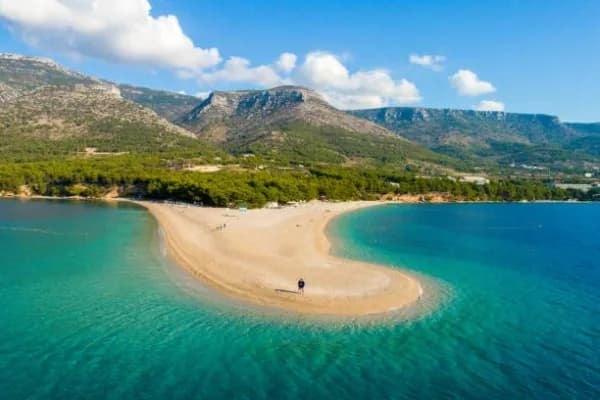
1. Zlatni Rat Beach: Perhaps the most iconic beach in Croatia, Zlatni Rat is famous for its unique triangular shape that changes with the tides and winds. Surrounded by crystal-clear waters and pine trees, it’s a paradise for sunbathers and water sports enthusiasts alike.
2. Vidova Gora: The highest peak of Brač offers panoramic views of the surrounding islands and the mainland, making it a popular hiking destination. The trail is well-marked and leads to a serene setting where hikers can enjoy the beauty of nature.
3. Supetar: The island’s largest town is known for its rich history, charming waterfront promenade, and local markets. Visitors can explore the Church of St. Nicholas, which dates back to the 18th century, and enjoy local shops and cafes.
4. Blaca Hermitage: A hidden gem, this former monastery built into a cliffside offers a glimpse into the island's monastic history. The journey to Blaca is as rewarding as the destination, showcasing the rugged beauty of Brač.
5. Bol: A picturesque fishing village that has transformed into a tourist hotspot, Bol is home to vibrant nightlife, charming streets, and the famous Zlatni Rat beach. The local wineries provide opportunities for tastings and tours, enriching the visitor's experience.
Nearby places worth adding to your itinerary.
Top stays in Brač picked for comfort, value, and great guest reviews.