Alagoinhas
Explore stays
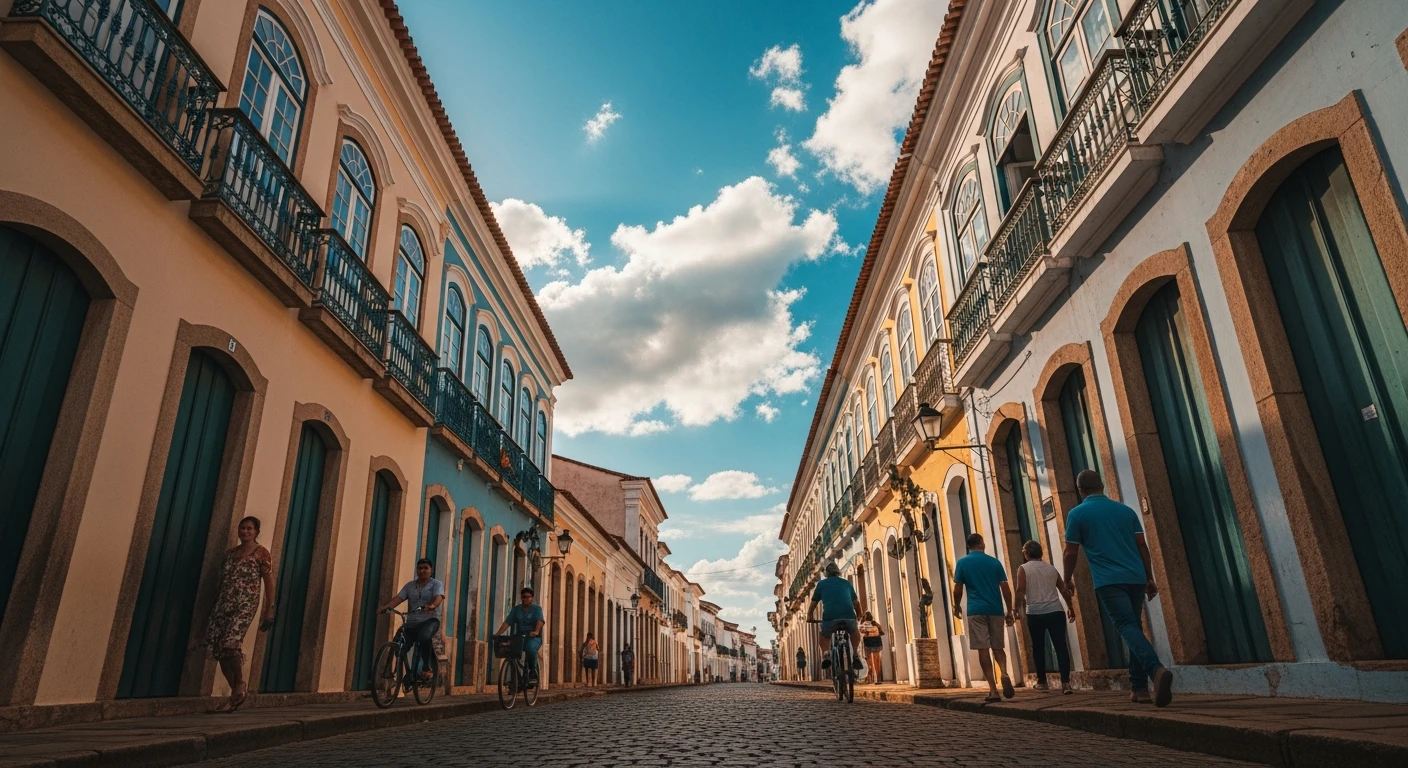
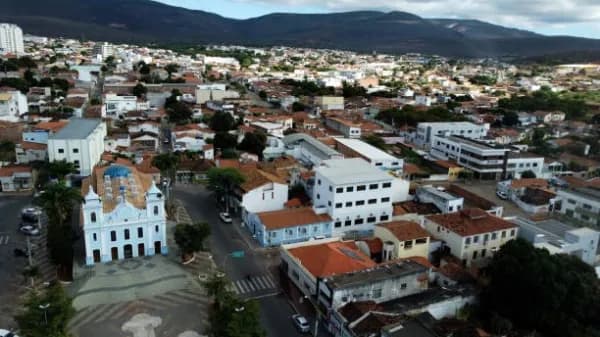
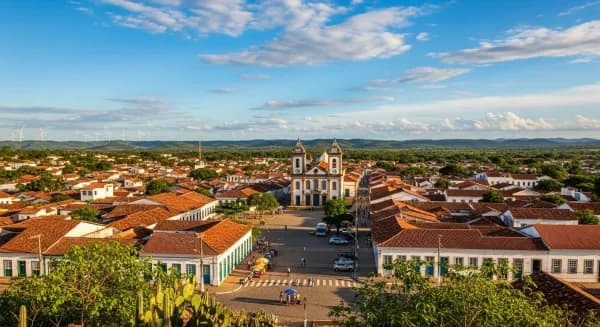
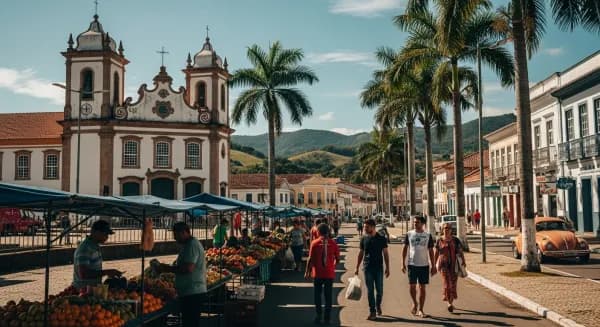
Cachoeira, a hidden gem in the heart of Bahia, Brazil, is a town steeped in rich history and vibrant culture. Nestled along the banks of the Paraguaçu River, Cachoeira was once a bustling hub during the sugarcane boom of the 18th century. Its strategic position made it a pivotal point for trade and commerce, which is evident in its well-preserved colonial architecture. The town's cobblestone streets and baroque churches whisper tales of its prosperous past, inviting visitors to step back in time.
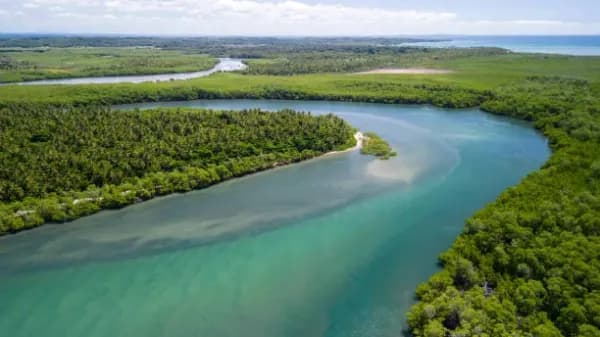
The geography of Cachoeira is as captivating as its history. Surrounded by lush hills and verdant landscapes, the town offers a serene escape from the bustling cities of Bahia. The vibe here is relaxed and welcoming, with a strong sense of community. The locals, known as 'Cachoeiranos', are proud of their heritage and eager to share their traditions with visitors. This small town exudes a charm that is both rustic and sophisticated, making it a unique destination in Bahia.
Despite its small size, Cachoeira plays a significant role in the cultural tapestry of Bahia. It is renowned for its vibrant festivals, particularly the Festa da Boa Morte, which celebrates Afro-Brazilian culture and traditions. The town's rich cultural heritage, combined with its picturesque setting, makes Cachoeira a must-visit destination for those exploring Bahia.
When it comes to accommodations, Cachoeira offers a range of options to suit different budgets and preferences. For those seeking luxury, the historic Hotel Convento do Carmo provides an opulent stay with its colonial architecture and stunning views of the Paraguaçu River. This former convent, now a boutique hotel, offers a unique blend of history and modern comfort, making it a perfect choice for discerning travelers.
For budget-conscious travelers, there are several charming pousadas (guesthouses) scattered throughout the town. Pousada do Carmo, located in the heart of Cachoeira, offers affordable accommodations with a cozy atmosphere. Staying in a pousada provides an opportunity to experience the local culture firsthand, as many are family-run establishments where guests are treated like part of the family.
The areas around Praça da Aclamação and Rua Ana Nery are popular choices for visitors, as they are centrally located and provide easy access to the town's main attractions. Whether you choose a luxurious hotel or a quaint pousada, Cachoeira's accommodations offer a warm and inviting base for exploring this enchanting part of Bahia.
Navigating Cachoeira like a local is a delightful experience, as the town's compact size makes it easy to explore on foot. Walking is the best way to soak in the town's atmosphere and discover its hidden corners. The cobblestone streets and narrow alleys lead to charming squares and historic sites, each with its own story to tell.
For longer distances, taxis and moto-taxis are readily available and offer a convenient way to get around. These services are affordable and can be hailed on the street or booked through local apps. Additionally, buses connect Cachoeira to other towns in Bahia, making it easy to explore the surrounding region.
For those who prefer a more immersive experience, renting a bicycle is an excellent option. Cycling through the town and its outskirts offers a unique perspective and allows visitors to enjoy the stunning landscapes that characterize this part of Bahia.
The area surrounding Cachoeira is rich with hidden gems waiting to be discovered. One such gem is the neighboring town of São Félix, just across the Paraguaçu River. A short walk across the iconic Dom Pedro II Bridge leads to this charming town, known for its tobacco production and vibrant arts scene. Visitors can explore local artisan workshops and enjoy the stunning river views.
Another must-visit is the Engenho Vitória, a historic sugar mill located a short drive from Cachoeira. This site offers a glimpse into the region's sugarcane heritage and provides guided tours that delve into the history of sugar production in Bahia. The picturesque setting, with its lush surroundings, makes it a perfect spot for a day trip.
For nature enthusiasts, the Cachoeira Waterfalls offer a refreshing escape. Located in the nearby hills, these cascading falls provide a tranquil setting for hiking and picnicking. The journey to the falls is an adventure in itself, with scenic trails that showcase the natural beauty of Bahia.
The best time to visit Cachoeira is during the dry season, which runs from June to November. During these months, the weather is pleasantly warm, with minimal rainfall, making it ideal for exploring the town and its surroundings. The dry season also coincides with some of Cachoeira's most vibrant festivals, offering visitors a chance to experience the town's cultural celebrations.
December to February is the peak tourist season in Bahia, as visitors flock to the region for its lively New Year and Carnival festivities. While Cachoeira is less crowded than the coastal cities, it still offers a festive atmosphere during this time.
March to May marks the rainy season, with occasional downpours that can be heavy at times. However, the rain brings lush greenery to the region, creating a picturesque landscape that is worth experiencing.
Cachoeira enjoys a tropical climate, with warm temperatures year-round. January and February are the hottest months, with average temperatures reaching up to 30°C (86°F). The heat is tempered by cool breezes from the Paraguaçu River, providing a pleasant atmosphere for exploration.
March through May sees increased rainfall, with April being the wettest month. The lush greenery and vibrant flora during this period create a stunning backdrop for outdoor activities. June to August is the coolest period, with temperatures ranging from 18°C to 26°C (64°F to 79°F), offering a comfortable climate for sightseeing.
From September to December, temperatures gradually rise, and the weather remains dry, making it an excellent time to visit Cachoeira and explore the wider Bahia region.
Cachoeira is a cultural hub in Bahia, known for its rich Afro-Brazilian heritage. The town's cultural landscape is shaped by its African roots, which are celebrated through music, dance, and religious traditions. The Festa da Boa Morte, held in August, is one of the most significant cultural events in Cachoeira. This festival honors the Sisterhood of the Good Death, an Afro-Catholic sisterhood that celebrates the liberation of enslaved Africans.
The people of Cachoeira are warm and welcoming, with a deep respect for their traditions and history. Visitors are encouraged to engage with the local community, participate in cultural events, and learn about the town's unique heritage.
Etiquette in Cachoeira, as in much of Bahia, emphasizes respect and politeness. Greeting locals with a friendly 'bom dia' (good morning) or 'boa tarde' (good afternoon) goes a long way in building rapport. When visiting religious sites, modest dress is appreciated, reflecting the town's reverence for its cultural and spiritual traditions.
The culinary scene in Cachoeira is a delightful reflection of Bahia's diverse flavors. One must-try dish is moqueca, a savory stew made with fish, coconut milk, and dendê oil, which is a staple in Bahian cuisine. The dish is often accompanied by farofa, a toasted cassava flour mixture, adding a unique texture and flavor.
Acarajé, a popular street food in Cachoeira, is another culinary delight. These deep-fried balls of black-eyed pea dough are filled with vatapá, a spicy shrimp paste, and are a testament to the town's Afro-Brazilian heritage.
Visitors should also sample cocada, a sweet treat made from coconut and sugar, which is a popular dessert in Bahia. The town's markets and eateries offer a variety of local dishes that showcase the rich culinary traditions of the region.
Cachoeira is home to several landmarks that offer a deep dive into its historical and cultural heritage. The Igreja Matriz de Nossa Senhora do Rosário is a stunning example of baroque architecture, with its intricate woodwork and gilded altars. This church, built in the 18th century, is a testament to the town's colonial past and is a must-visit for history enthusiasts.
The Casa de Câmara e Cadeia, a historic building that once served as the town hall and prison, offers insights into Cachoeira's political history. Today, it houses a museum that showcases artifacts from the colonial era, providing a glimpse into the town's past.
The Fundação Hansen Bahia, named after the German artist Karl Heinz Hansen, is an art center dedicated to promoting local and international art. The center hosts exhibitions and workshops, making it a vibrant cultural hub in Cachoeira.
Another notable site is the Convento de Santo Antônio do Paraguaçu, a former Franciscan convent located on the outskirts of town. This architectural marvel offers panoramic views of the surrounding landscape and is a peaceful retreat for visitors seeking tranquility.
Finally, the Dom Pedro II Bridge, an engineering marvel of its time, connects Cachoeira to São Félix and offers stunning views of the Paraguaçu River. Walking across this bridge is a memorable experience, providing a unique perspective of the town and its surroundings.
Nearby places worth adding to your itinerary.
Top stays in Cachoeira picked for comfort, value, and great guest reviews.