
Alberta
Explore stays
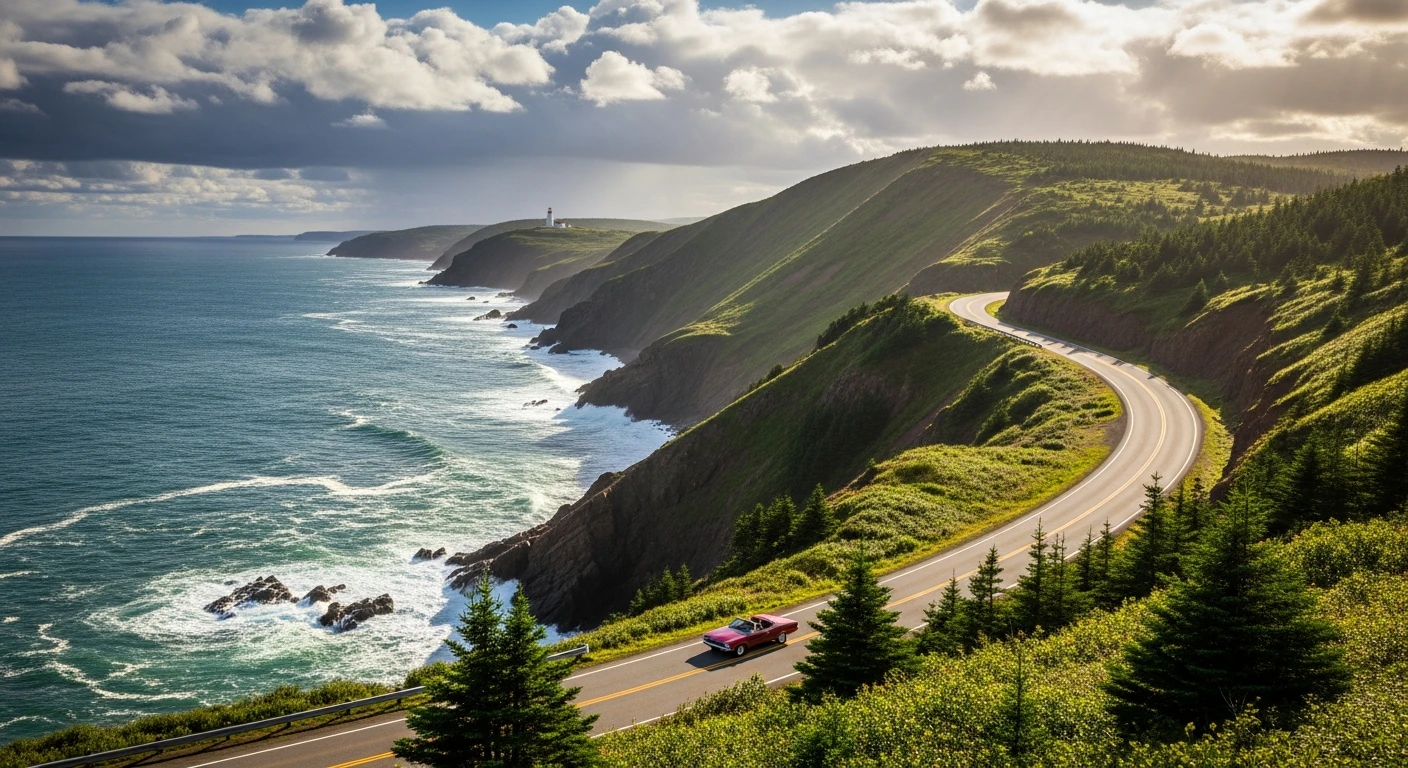
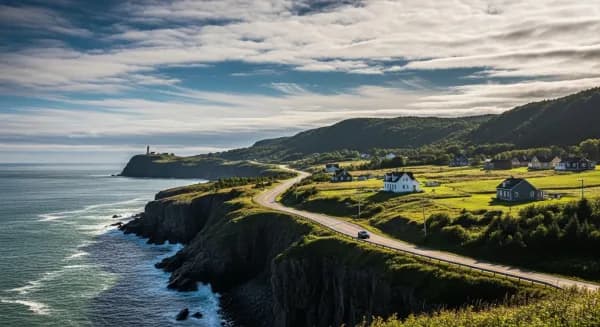
Nestled in the northeastern part of Nova Scotia, Canada, Cape Breton Regional is a breathtaking locale that offers a rich tapestry of history, culture, and natural beauty. The region is renowned for its scenic vistas, with the iconic Cabot Trail winding through lush highlands and along rugged coastlines. Historically, Cape Breton has been a melting pot of cultures, with influences from the Mi'kmaq people, French Acadians, Scottish settlers, and Irish immigrants, each leaving an indelible mark on the region's cultural fabric.
The geography of Cape Breton is as diverse as its history. The region is characterized by its rugged cliffs, serene beaches, and verdant forests, making it a paradise for nature enthusiasts. The Bras d'Or Lake, an inland sea, is the heart of Cape Breton, providing a unique ecosystem and endless recreational opportunities. The vibe here is a harmonious blend of tranquility and adventure, with a strong sense of community and a deep respect for nature.
The locals, known for their warmth and hospitality, are always eager to share stories of Cape Breton's storied past. Whether it's tales of the coal mining era or the vibrant Celtic music scene, visitors are sure to be enchanted by the region's rich heritage. Cape Breton Regional offers a serene escape from the hustle and bustle of city life, all while immersing visitors in a world of cultural and natural wonders.
When it comes to accommodations, Cape Breton Regional offers a wide array of options to suit every traveler's needs. For those seeking luxury, the resort town of Baddeck is a prime choice. Nestled on the shores of Bras d'Or Lake, Baddeck is home to several upscale lodges and boutique hotels offering stunning views and top-notch amenities.
Travelers on a budget can find charming bed and breakfasts and cozy inns throughout the region, particularly in areas like Sydney and Inverness. These options provide a more intimate experience and often come with the added benefit of local hosts who can offer insider tips on exploring the island.
For a unique stay, consider booking a traditional Cape Breton cottage or a yurt for a taste of rustic living surrounded by nature. Whether you prefer the lap of luxury or a quaint, homey atmosphere, Cape Breton Regional has accommodations that cater to all preferences.
Navigating Cape Breton Regional like a local is a rewarding experience, thanks to its well-maintained roads and scenic routes. Renting a car is highly recommended, as it provides the freedom to explore the island at your own pace and uncover hidden gems off the beaten path. The Cabot Trail is a must-drive, offering spectacular views and numerous stops for hiking and photography.
Public transportation is limited, but there are shuttle services and local buses connecting major towns. Cycling is also a popular way to explore, with several scenic trails catering to both leisurely riders and seasoned cyclists.
For those seeking a more immersive experience, guided tours are available, providing insightful commentary on the region's history and culture. Whether by car, bike, or guided excursion, traversing Cape Breton Regional is an adventure in itself.
Cape Breton Regional is surrounded by hidden gems that beckon exploration. One such treasure is the Fortress of Louisbourg, a meticulously reconstructed 18th-century French fortress offering a glimpse into colonial life. Engage with costumed interpreters and partake in historical reenactments for a truly immersive experience.
For nature lovers, the Skyline Trail is a must-visit. This iconic hike offers panoramic views of the Gulf of St. Lawrence, with opportunities to spot wildlife such as moose and bald eagles. Another natural wonder is the Cape Breton Highlands National Park, where diverse ecosystems and stunning landscapes await.
Don't miss the charming village of Cheticamp, a vibrant Acadian community known for its traditional music and crafts. Here, visitors can experience authentic Acadian culture and hospitality. Each excursion from Cape Breton Regional promises unique insights and unforgettable memories.
The best time to visit Cape Breton Regional depends on your interests and preferred activities. Summer, from June to August, is the peak tourist season, offering warm weather ideal for hiking, swimming, and exploring the outdoors. Festivals and events are abundant during this time, showcasing the region's rich culture.
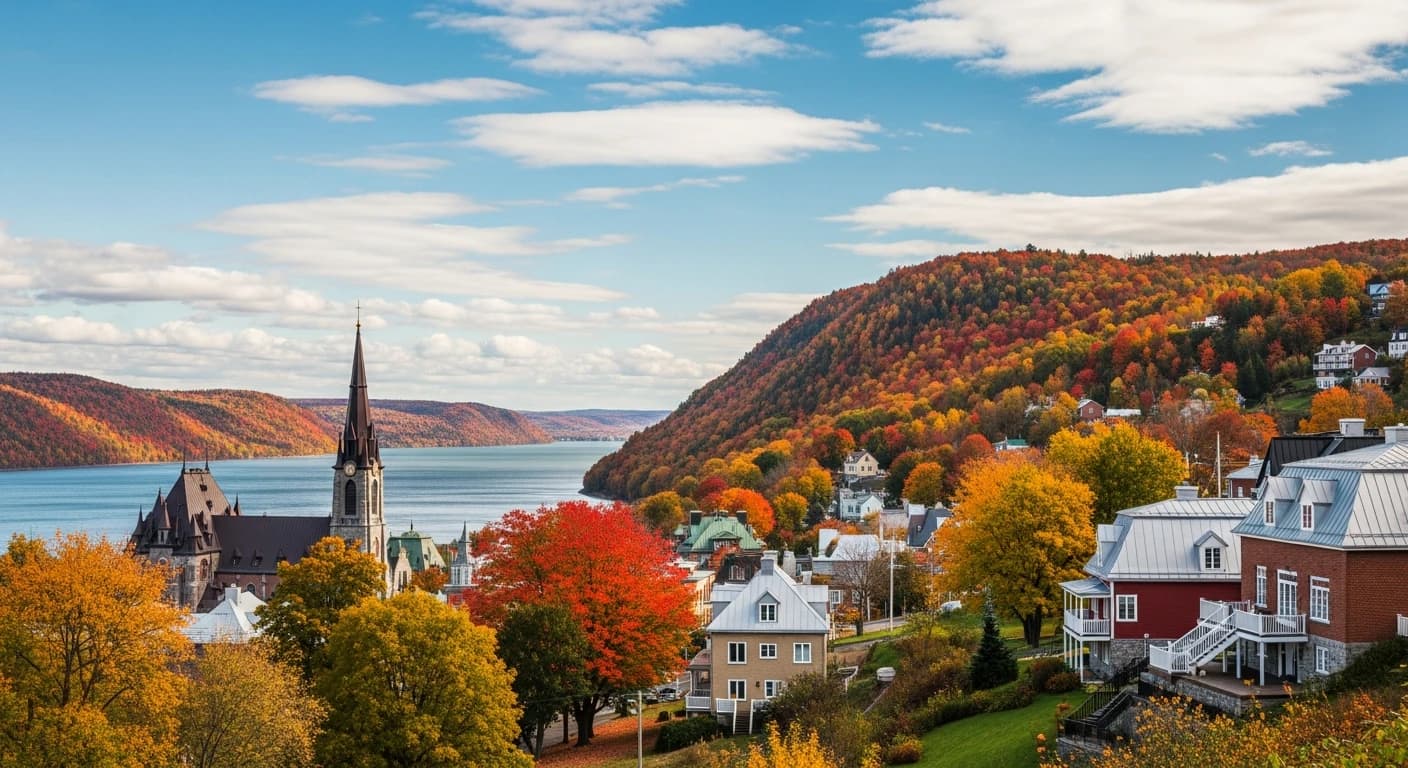
Autumn, particularly September and October, is another popular time to visit, as the fall foliage transforms the landscape into a vibrant tapestry of reds, oranges, and yellows. This season is perfect for scenic drives and photography enthusiasts.
Winter brings a serene beauty to Cape Breton, with opportunities for skiing and snowshoeing in the highlands. Spring is a quieter time, with blossoming flora and fewer crowds, ideal for those seeking tranquility and solitude.
Cape Breton Regional experiences a maritime climate, characterized by mild summers and cold winters. January is the coldest month, with temperatures often dipping below freezing, while July is the warmest, with averages around 22°C (72°F).
February and March can be quite snowy, perfect for winter sports enthusiasts, while April sees the thaw and the onset of spring. May and June offer mild temperatures, with blooming landscapes and increasing daylight hours.
July and August are warm and pleasant, ideal for outdoor activities. September and October bring cooler temperatures and stunning fall colors. November and December are typically cold, with occasional snow, setting the stage for a cozy winter experience.
Cape Breton Regional boasts a vibrant cultural scene, deeply rooted in its diverse heritage. The island is famous for its Celtic music, with lively ceilidhs (traditional gatherings) held throughout the year. The Celtic Colours International Festival, a renowned October event, celebrates this musical tradition with performances and workshops across the island.
The region's Acadian heritage is equally celebrated, with festivals like the Festival de l'Escaouette in Cheticamp highlighting traditional music, dance, and cuisine. The Mi'kmaq culture is also an integral part of Cape Breton's identity, with opportunities to learn about their traditions and history at various cultural centers.
Etiquette in Cape Breton is warm and welcoming, with locals known for their friendliness and hospitality. Visitors are encouraged to engage with the community, participate in local events, and embrace the island's rich cultural tapestry.
Cape Breton Regional offers a delectable array of culinary delights, deeply influenced by its multicultural heritage. Seafood is a staple, with fresh lobster, mussels, and oysters available at markets and restaurants across the island. The Lobster Supper, a local tradition, is a must-try for seafood aficionados.
Traditional Acadian dishes, such as rappie pie and meat pies, offer a taste of the region's history. Meanwhile, the island's Scottish influence is evident in dishes like haggis and oatcakes. Be sure to sample the local craft beers and wines, which pair perfectly with the island's hearty fare.
Whether dining at a fine restaurant or enjoying a casual meal at a local pub, Cape Breton's culinary scene is sure to delight and satisfy.
Cape Breton Regional is home to a plethora of tourist attractions, each offering a unique glimpse into the island's beauty and heritage. The Cabot Trail is perhaps the most famous, a 300-kilometer scenic drive that takes visitors through some of the most stunning landscapes in Canada. Along the way, hiking trails, lookouts, and quaint villages beckon exploration.
The Fortress of Louisbourg is another must-visit, a national historic site that brings the 18th century to life with its impressive reconstruction and interactive exhibits. Visitors can experience history firsthand, participating in daily activities and engaging with costumed interpreters.
The Alexander Graham Bell National Historic Site in Baddeck offers insight into the life and work of the famous inventor, showcasing his contributions beyond the telephone, including aviation and hydrofoils. Interactive displays and exhibits provide an educational and inspiring experience.
For natural beauty, the Cape Breton Highlands National Park is unparalleled, offering diverse ecosystems, hiking trails, and breathtaking vistas. Whale watching tours are also popular, with opportunities to see these majestic creatures up close in their natural habitat.
Lastly, don't miss the charming waterfront of Sydney, where visitors can explore local shops, enjoy live music, and savor delicious seafood. Each landmark in Cape Breton Regional provides a unique perspective on the island's rich history and stunning natural beauty.
Nearby places worth adding to your itinerary.
Top stays in Cape Breton Regional picked for comfort, value, and great guest reviews.