Ambra
Explore stays
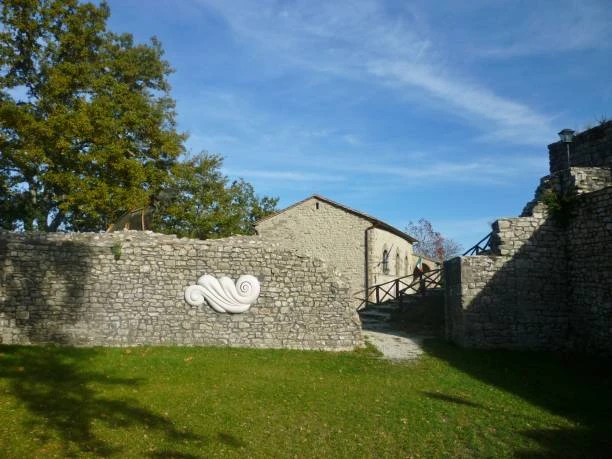
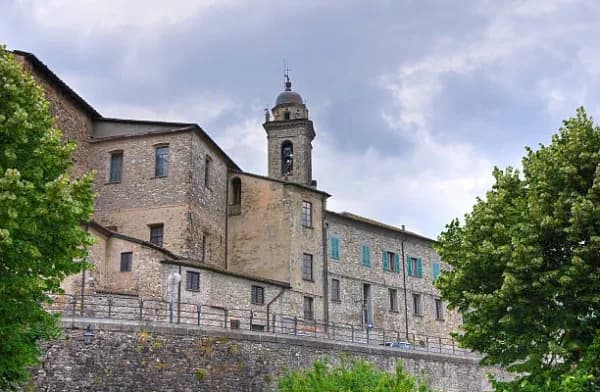
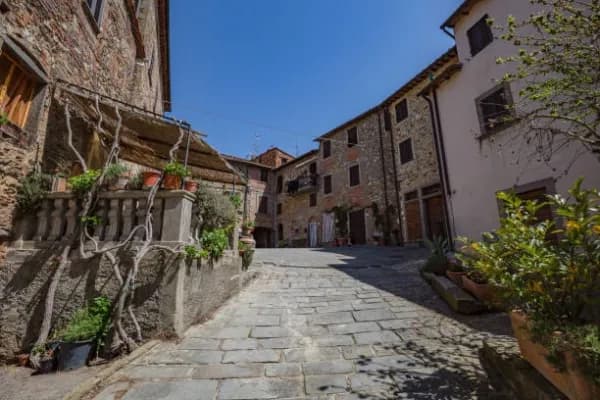
Caprese Michelangelo is a captivating village nestled in the picturesque Apennine Mountains of Tuscany, part of the Arezzo province. Renowned as the birthplace of the legendary Renaissance artist Michelangelo Buonarroti, this quaint hamlet offers a rich tapestry of history and stunning landscapes. Dating back to the medieval era, the village is steeped in stories of artistry and culture, with its cobbled streets echoing the footsteps of artists and thinkers who have shaped the region.
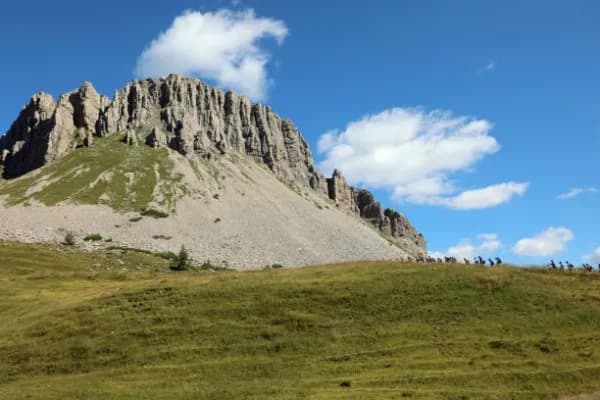
Geographically, Caprese Michelangelo is strategically located between the valleys of Casentino and Tiber, providing breathtaking views of rolling hills and lush forests. The village's elevation at approximately 800 meters above sea level ensures a refreshing climate, making it a perfect escape from the bustling cities. The atmosphere here is tranquil, inviting visitors to immerse themselves in the serene beauty of nature while exploring the rich cultural heritage.
The vibe in Caprese Michelangelo is distinctly laid-back yet vibrant, characterized by friendly locals who are proud of their heritage and eager to share it with visitors. Traditional festivals, artisanal craft shops, and family-run trattorias contribute to the village's charm, making it an ideal destination for those seeking a blend of relaxation and cultural enrichment. A visit to Caprese Michelangelo promises not only to educate but also to inspire, as one walks through the very streets that nurtured one of the world's greatest artists.
When planning your stay in Caprese Michelangelo, you'll find a range of accommodations to suit various budgets and preferences. For a luxurious experience, consider staying at one of the charming boutique hotels or upscale agriturismos that dot the countryside. These properties often feature exquisite views, gourmet dining options, and amenities such as spas or pools, allowing guests to indulge in the ultimate Tuscan retreat.
On the other hand, if you're traveling on a budget, there are several cozy guesthouses and bed-and-breakfasts that offer a warm welcome without breaking the bank. Many of these establishments are family-run, providing an authentic experience with home-cooked meals and insider tips on local attractions. Additionally, hostels in the surrounding areas offer affordable dormitory-style accommodations, making it easy for backpackers and younger travelers to enjoy Caprese Michelangelo.
Getting around Caprese Michelangelo is relatively straightforward, with options that allow you to navigate like a local. The village is compact, making walking the best way to explore its charming streets and hidden corners. For those looking to venture further afield, renting a bicycle is an excellent option, as the surrounding countryside boasts numerous scenic trails.
Public transportation is limited, but buses connect Caprese Michelangelo with nearby towns and the larger city of Arezzo. If you're considering day trips, renting a car can provide the flexibility to explore the stunning landscapes and quaint villages that are characteristic of the region.
Caprese Michelangelo serves as a fantastic base for exploring the hidden gems of the surrounding Tuscan countryside. Just a short drive away, you'll find the enchanting Casentino Forests, a sprawling national park offering hiking trails, wildlife watching, and breathtaking views. The area is rich in biodiversity, making it a paradise for nature lovers and outdoor enthusiasts.
Another must-visit is the charming town of Poppi, known for its medieval castle and picturesque streets. The castle, Castello dei Conti Guidi, provides a fascinating glimpse into the region's feudal past and offers stunning panoramic views of the Arno Valley. Be sure to also visit the hermitage of Camaldoli, a serene monastery nestled in the woods, perfect for reflection and peace.
The best time to visit Caprese Michelangelo largely depends on your preferences for weather and activities. Spring (April to June) is ideal for those who enjoy mild temperatures and blooming landscapes. The countryside comes alive with vibrant wildflowers, making it perfect for hiking and outdoor activities.
Summer (July to August) brings warm weather, attracting tourists to the region. While it can be crowded, the numerous festivals and events showcase local culture and cuisine, making it a lively time to visit. Autumn (September to November) offers cooler temperatures and stunning fall foliage, perfect for wine lovers as it coincides with the grape harvest. Winter (December to March) is quieter, and while it can be chilly, the village's charm remains, along with the opportunity to enjoy winter sports nearby.
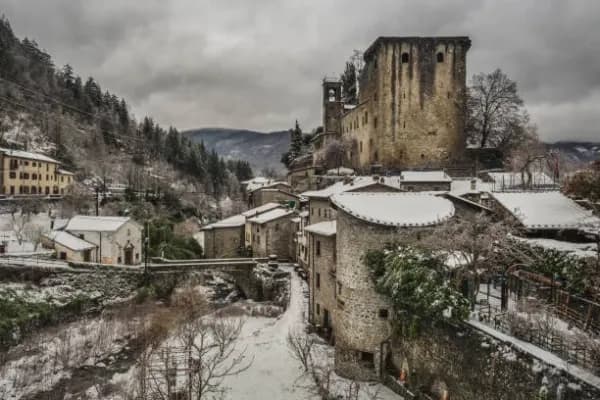
Caprese Michelangelo experiences a diverse climate throughout the year, making each season unique. January is typically the coldest month, with average temperatures ranging from 0°C to 8°C. Snow may occasionally blanket the village, creating a picturesque winter scene.
As spring arrives in March, temperatures gradually rise, averaging between 5°C and 15°C, with blooming flowers adding vibrancy to the landscape. Summer months, particularly July and August, see warm temperatures ranging from 15°C to 30°C, perfect for outdoor activities and festivals.
Autumn brings cooler weather, with September temperatures averaging 10°C to 25°C, while November sees a drop to around 5°C to 15°C. Winter returns in December, with cold temperatures and a subdued atmosphere, making it a great time for reflective visits.
Caprese Michelangelo is rich in culture, with various festivals celebrating local traditions and history. The most notable is the annual Michelangelo Festival, held in March to commemorate the artist's birthday. This event features art exhibitions, workshops, and performances that pay homage to Michelangelo's legacy, attracting art lovers from across Italy.
The village's population, though small, is characterized by a strong sense of community and pride in their heritage. Locals often engage in traditional crafts, from pottery to woodworking, preserving skills passed down through generations. Visitors are encouraged to participate in workshops, allowing for a hands-on experience of local culture.
Etiquette is essential in Caprese Michelangelo. A simple greeting, such as “Buongiorno” (Good Morning), goes a long way in establishing rapport with residents. Dining etiquette is also important; take your time enjoying meals and try to engage in conversation with your hosts to fully appreciate the local culinary culture.
The culinary scene in Caprese Michelangelo is a delightful reflection of Tuscan tradition. Visitors must try the local specialty, “Pici,” a handmade pasta that embodies the essence of rustic Italian cooking. Often served with a simple garlic and tomato sauce, it showcases the region's emphasis on fresh, high-quality ingredients.
Another must-eat dish is the “Cacciucco,” a rich fish stew that highlights the coastal influence of Tuscany. Pairing this dish with a local Chianti or Vino Nobile di Montepulciano enhances the gastronomic experience.
Visitors will also find local olive oil, renowned for its quality, and a variety of cheeses that reflect the pastoral lifestyle of the region. Don't miss the opportunity to sample local wines at the numerous vineyards in the surrounding areas, as they offer tastings and tours to enhance your understanding of Tuscan viticulture.
1. **Michelangelo's Birthplace** - The very house where Michelangelo was born has been transformed into a museum, showcasing artifacts related to his life and works. Interactive exhibits allow visitors to explore the artist's influence on Renaissance art, offering insight into his genius.
2. **Church of San Giovanni Battista** - This quaint church features stunning frescoes and a captivating altar dedicated to Saint John the Baptist. Its serene atmosphere provides a perfect setting for reflection and appreciation of local religious art.
3. **Castello di Caprese** - Visit the ruins of this medieval castle, which once served as a fortress. The breathtaking views from the hilltop are worth the climb, as they provide a panoramic glimpse of the surrounding valleys.
4. **Local Artisans** - Explore various workshops focusing on traditional crafts, from pottery to woodworking. Many artisans are eager to share their techniques and stories, providing a personal touch to your visit.
5. **Nature Trails** - The surrounding landscape offers numerous hiking trails that cater to different skill levels. These paths reveal stunning vistas and diverse flora and fauna, making it a paradise for nature lovers and those seeking outdoor adventures.
Nearby places worth adding to your itinerary.
Top stays in Caprese Michelangelo picked for comfort, value, and great guest reviews.