Acquasparta
Explore stays
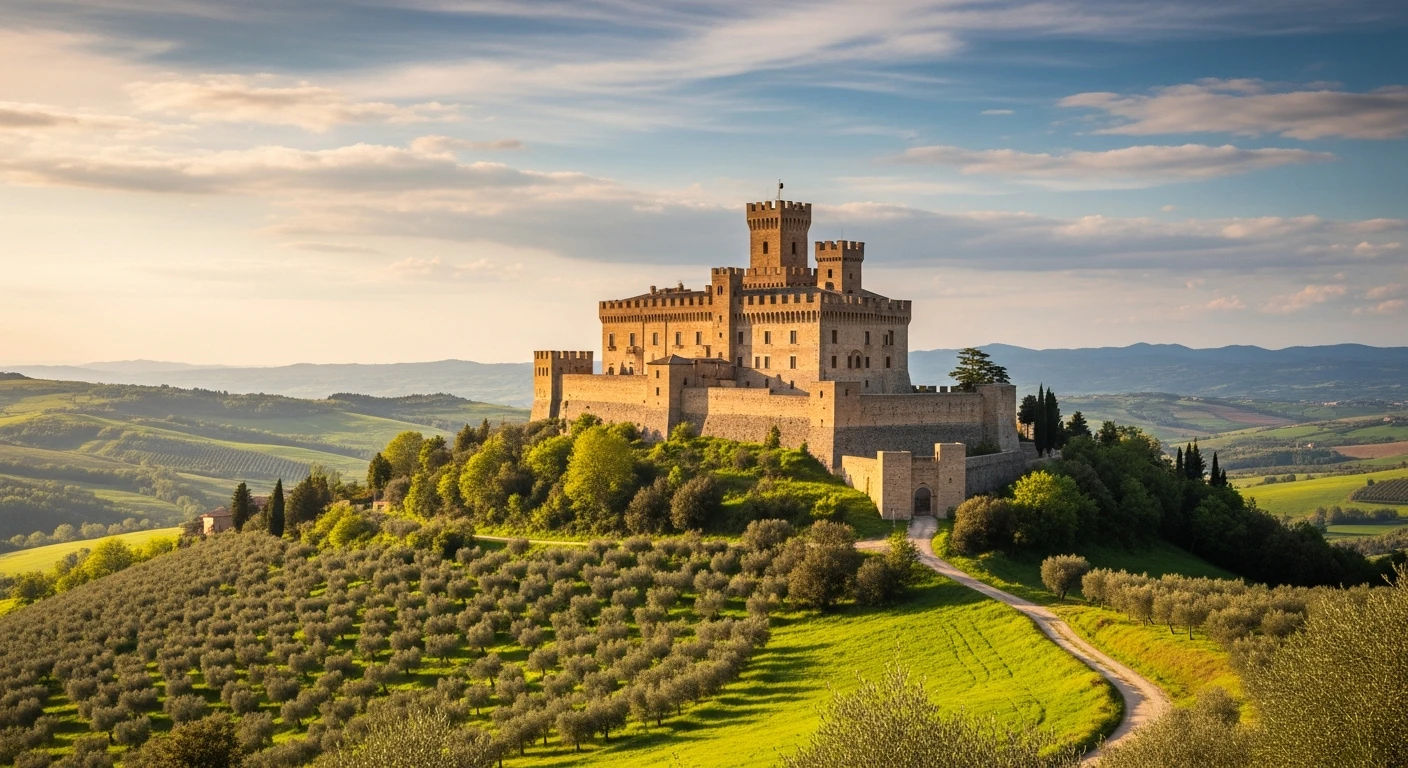
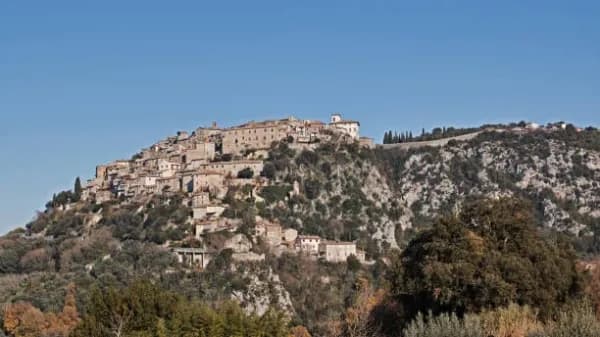
The Castle of Montegiove is an enchanting historical site nestled in the heart of Umbria, Italy. This medieval castle, dating back to the 12th century, offers visitors a glimpse into the rich tapestry of Umbrian history. Originally built as a stronghold, it has witnessed centuries of transformation, standing resilient against the tides of time. The castle's architecture reflects a blend of Romanesque and Gothic styles, characterized by robust stone walls and intricate arched windows.
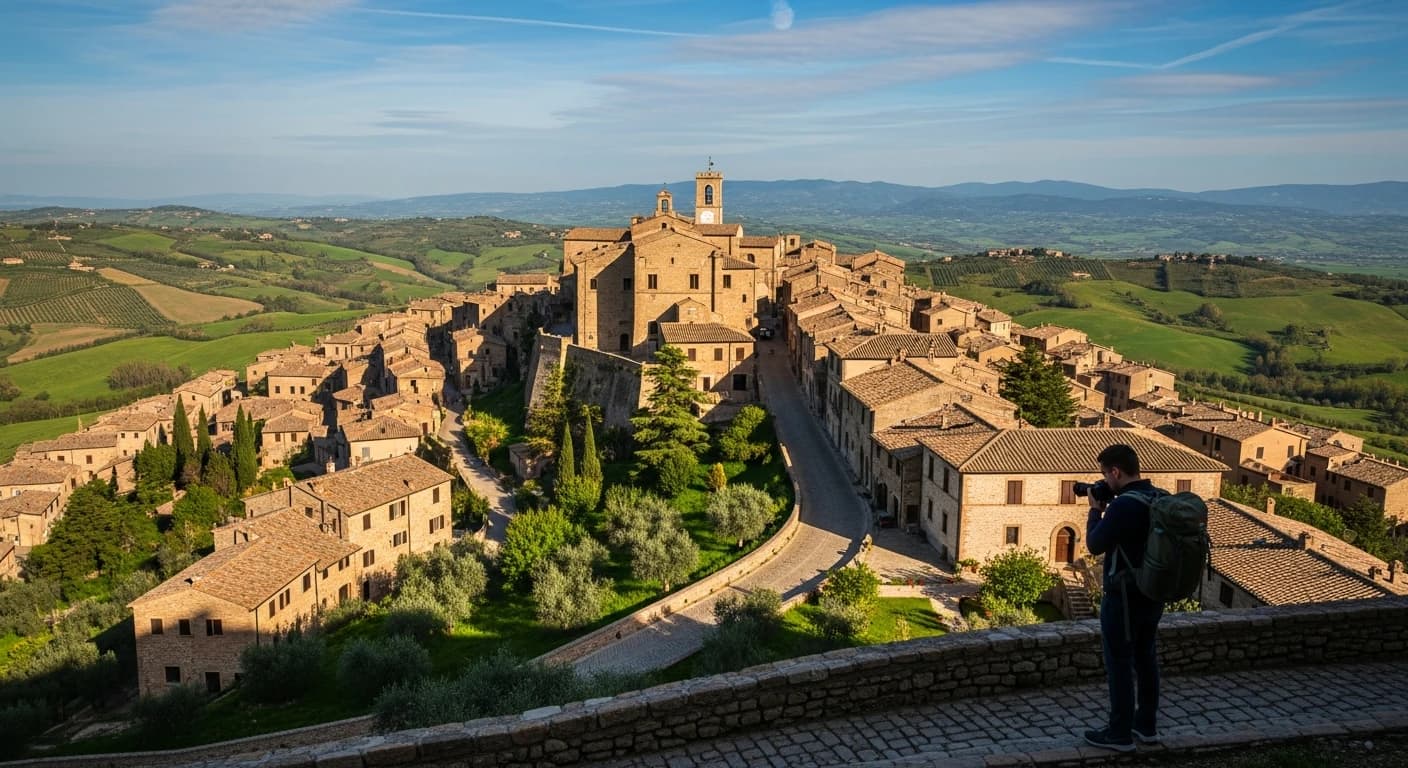
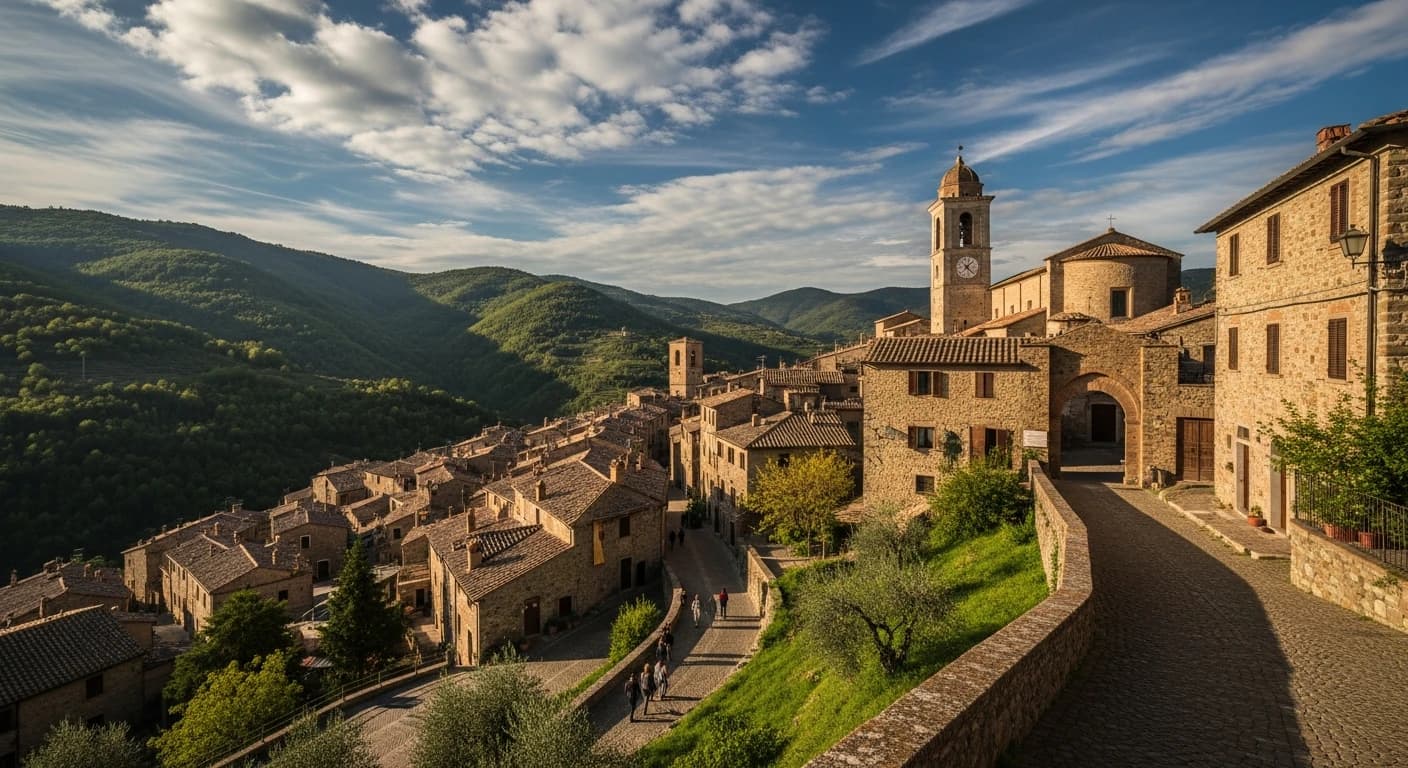
Geographically, Montegiove is perched atop a hill, providing breathtaking views of the surrounding Umbrian countryside, filled with rolling hills, vineyards, and olive groves. This picturesque landscape not only enhances the castle's appeal but also creates a tranquil atmosphere that envelops visitors as they explore its grounds. The vibe here is a delightful mix of history, nature, and serenity, making it an ideal spot for those seeking both adventure and relaxation.
Local anecdotes often speak of the castle being haunted by the spirits of its former inhabitants, adding a layer of mystique to its already captivating presence. Tales of romantic encounters and fierce battles echo through its ancient walls, inviting guests to immerse themselves in the stories that have shaped this remarkable structure. As you wander through the castle, you can almost hear the whispers of history, creating a captivating experience that is quintessentially Umbria.
When planning your visit to the Castle of Montegiove, selecting the right accommodation can elevate your experience. For those seeking luxury, nearby towns like Orvieto and Todi offer upscale hotels and boutique stays that blend modern comfort with traditional Umbrian charm. Properties such as the Hotel Palazzo Piccolomini in Orvieto provide elegant rooms with stunning views of the surrounding hills and top-notch amenities, including gourmet dining options.
If you're traveling on a budget, consider staying in charming agriturismos or bed and breakfasts in the vicinity. Places like Agriturismo La Casetta offer affordable yet cozy accommodations, often featuring home-cooked meals made from locally sourced ingredients. These budget-friendly options allow visitors to immerse themselves in the local culture while still being within a short drive of the castle.
To navigate the picturesque landscape of Umbria like a local, renting a car is highly recommended. This gives you the freedom to explore the winding roads and hidden gems that characterize the region. Alternatively, local buses connect smaller towns, but they may not run frequently. Biking is another fantastic way to soak in the scenery, with designated paths leading you through vineyards and olive groves, allowing for a more intimate experience of the Umbrian countryside.
While the Castle of Montegiove is a highlight, the surrounding areas offer an array of hidden gems worth exploring. A short drive away, you can discover the ancient town of Civita di Bagnoregio, often referred to as the 'dying town' due to its eroding cliffside. Its dramatic views and charming streets make for a perfect day trip.
Additionally, don’t miss the Etruscan ruins of Tarquinia, where you can delve into the ancient civilization that once thrived in Umbria. Nature lovers will also appreciate the Marmore Falls, one of the tallest man-made waterfalls in the world, just a stone's throw from the castle. Here, you can hike, picnic, or simply soak in the beauty of cascading water amidst lush greenery.
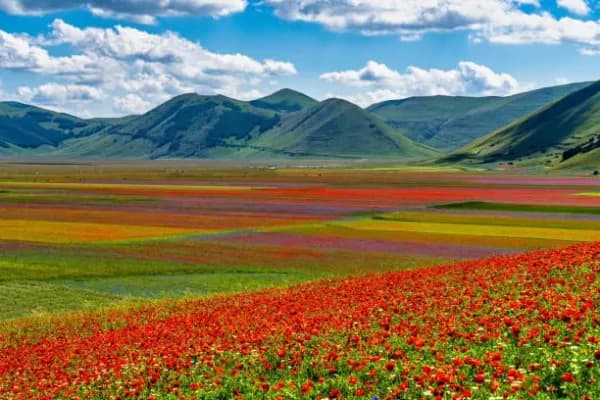
Umbria is beautiful year-round, but the best time to visit the Castle of Montegiove is during the spring (April to June) and fall (September to October). Spring brings blooming flowers and mild temperatures, perfect for exploring the castle and its surroundings. The fall offers a stunning display of autumn colors, along with the famous grape harvest festivals, where you can indulge in local wine and culinary delights.
Summer (July to August) can be hot and crowded, particularly in popular tourist areas, while winter (December to February) sees fewer visitors but can be chilly and damp. However, visiting during the off-peak season allows for a more intimate experience with the castle and its history.
Understanding the climate of Umbria is essential for planning your visit to the Castle of Montegiove. In January, temperatures can dip to around 3°C (37°F), with occasional snowfall, creating a serene winter wonderland. February sees a gradual warming, averaging around 7°C (45°F).
By March, spring begins to blossom, with temperatures ranging from 10°C to 15°C (50°F to 59°F). April and May are delightful, with average highs of 20°C (68°F), perfect for outdoor exploration. Summer months can reach up to 30°C (86°F), while September cools down to around 24°C (75°F). Autumn is mild, offering crisp air and vibrant foliage, while December brings a festive atmosphere, albeit with cooler temperatures of around 5°C (41°F).
Umbrian culture is deeply rooted in its traditions, festivals, and warm-hearted people. The region is known for its vibrant festivals, such as the Giornate FAI di Primavera, where visitors can explore historical sites like the Castle of Montegiove for free. The annual Umbria Jazz Festival held in Perugia is another highlight, attracting world-renowned musicians and jazz lovers alike.
Etiquette in Umbria is generally warm and welcoming. It's customary to greet locals with a friendly “Buongiorno” (Good morning) or “Buonasera” (Good evening). Dining etiquette is also essential; meals are often leisurely affairs, and it’s polite to wait for everyone to be served before beginning to eat. Sharing a meal is a cherished tradition, and you may find yourself invited to enjoy a home-cooked meal with local families.
Umbrian cuisine is a treasure trove of flavors, deeply influenced by the region's agricultural heritage. Must-try dishes include “Torta al Testo,” a delicious flatbread, and “Porchetta,” a savory roasted pork seasoned with aromatic herbs. The region is also famed for its truffles, particularly the black truffles of Norcia, which add a luxurious touch to many dishes.
Olive oil in Umbria is considered among the best in Italy, with many local farms offering tastings and tours. Don’t miss the opportunity to indulge in local wines, such as Sagrantino di Montefalco, which pairs beautifully with Umbrian meats and cheeses. The culinary history here is rich and diverse, making it essential for any visitor to savor the local flavors.
1. **Orvieto**: This stunning hilltop town is famous for its magnificent cathedral, Duomo di Orvieto, which boasts stunning frescoes and intricate architecture. The town is also known for its underground tunnels that date back to Etruscan times, offering a fascinating glimpse into the past.
2. **Todi**: A charming medieval town with a rich history, Todi offers picturesque piazzas and breathtaking views of the Tiber Valley. The town's main square, Piazza del Popolo, features impressive architecture and is perfect for enjoying a leisurely coffee.
3. **Assisi**: A UNESCO World Heritage site, Assisi is the birthplace of St. Francis and is renowned for its basilica, which houses stunning frescoes by Giotto. The town's spiritual atmosphere and cobblestone streets make it a must-visit destination.
4. **Spoleto**: Known for its annual Festival of Two Worlds, Spoleto is a cultural hub featuring an array of art and music events. The town's historic center is dotted with ancient Roman ruins and charming boutiques.
5. **Civita di Bagnoregio**: As mentioned earlier, this 'dying town' is perched on a hilltop, accessible only by a footbridge. Its breathtaking views and unique architecture make it a surreal destination that feels like stepping back in time.
Nearby places worth adding to your itinerary.
Top stays in Castle of Montegiove picked for comfort, value, and great guest reviews.