Blossom Village
Explore stays
The Cayman Islands, a British Overseas Territory located in the Caribbean Western, are a paradise of natural beauty and rich history. Comprising three islands—Grand Cayman, Cayman Brac, and Little Cayman—this archipelago boasts a unique blend of cultural influences from the Arawak Indians, British colonizers, and African slaves. The islands were first discovered by Christopher Columbus in 1503, who named them "Las Tortugas" due to the abundance of sea turtles. The name was later changed to the Cayman Islands, derived from the Carib word for crocodiles.
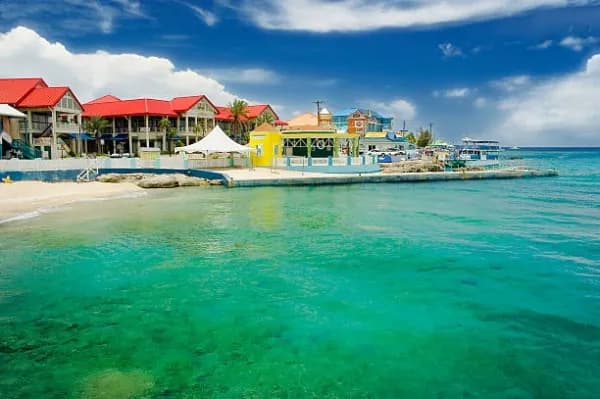
Geographically, the islands lie south of Cuba and northwest of Jamaica, featuring a varied landscape of white sandy beaches, rolling hills, and vibrant coral reefs. The vibe here is laid-back yet sophisticated, with a strong emphasis on hospitality and community. The capital, George Town, is bustling with shops, restaurants, and cultural landmarks. Each island has its own personality; Grand Cayman is bustling and cosmopolitan, Cayman Brac is known for its rugged cliffs and nature trails, while Little Cayman offers tranquility and exceptional diving experiences.
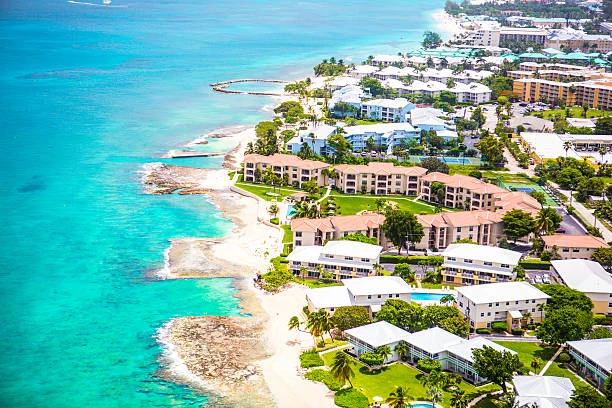
When it comes to accommodation in the Cayman Islands, visitors have a plethora of choices ranging from luxurious resorts to budget-friendly options. In Grand Cayman, Seven Mile Beach is the epitome of luxury, hosting high-end resorts like The Ritz-Carlton and the Westin. These establishments offer world-class amenities, including spas, fine dining, and direct beach access.
For those seeking budget options, the area around George Town provides charming guesthouses and budget hotels where visitors can experience the local culture without breaking the bank. Cayman Brac and Little Cayman also offer quaint lodgings, ensuring that every traveler can find a comfortable stay regardless of their budget.
Getting around the Cayman Islands is relatively easy, and to navigate like a local, consider renting a car. This allows for the freedom to explore at your own pace, especially on Grand Cayman, where public transport is limited. Taxis are readily available, though it is essential to agree on a fare before the ride. Alternatively, bicycles are a popular choice for those wanting to enjoy the scenic coastal roads at a leisurely pace.
While the Cayman Islands are renowned for their beaches, numerous hidden gems lie off the beaten path. The Queen Elizabeth II Botanic Park on Grand Cayman offers a tranquil escape showcasing the region's flora and fauna, including the endemic Blue Iguana. For a taste of local history, visit the Pedro St. James National Historic Site, where the first elected Assembly of the Cayman Islands convened. On Little Cayman, the Booby Pond Nature Reserve is a birdwatcher's paradise, home to the red-footed booby and other unique species.
The best time to visit the Cayman Islands is typically between December and April, when the weather is warm and dry, making it ideal for beach activities and outdoor excursions. The summer months (June to August) can be hot and humid, with temperatures hovering around 90°F (32°C). However, this period often sees fewer tourists, making it easier to explore without the crowds. The off-peak season, from May to November, coincides with hurricane season, so while deals on accommodations may be available, travelers should stay informed about weather conditions.
The climate in the Cayman Islands is tropical, characterized by warm temperatures year-round. From January to March, temperatures range from 70°F (21°C) to 85°F (29°C), providing perfect beach weather. April marks the start of the hotter season, with temperatures reaching up to 88°F (31°C). June through August can see highs of 90°F (32°C) and increased humidity. By September and October, the islands experience peak hurricane season, bringing occasional heavy rains and storms, although many days remain sunny.
The culture of the Cayman Islands is a vibrant tapestry woven from its diverse history. Festivals such as the Cayman Carnival Batabano, held annually in May, showcase colorful parades, music, and dance, celebrating the islands' heritage. The people are known for their warmth and friendliness, often greeting visitors with a smile. Etiquette is essential; a polite "hello" or "good morning" goes a long way. Respect for local customs, such as dress codes at churches or during formal events, is also expected, enriching the travel experience.
Culinary experiences in the Cayman Islands reflect a blend of Caribbean and British influences. Must-eat dishes include conch fritters, a local delicacy made from the meat of conch shells, and Cayman-style fish, often grilled or fried and served with rice and peas. The islands are also famous for their turtle stew, a traditional dish dating back to the islands' early settlers. The culinary history is deeply tied to the local fishing economy, where fresh seafood dominates the menu, offering a genuine taste of the Caribbean Western culinary scene.
The Cayman Islands are home to numerous remarkable tourist attractions, each contributing to the islands' charm. One must-visit site is Stingray City, where visitors can interact with friendly stingrays in their natural habitat. The Cayman Turtle Centre offers an educational experience about marine conservation and the chance to see turtles up close. For a touch of history, the National Museum provides insights into the islands' maritime heritage, showcasing artifacts and stories from the past.
Another highlight is the Seven Mile Beach, often ranked among the best in the world, offering pristine sands and crystal-clear waters perfect for relaxation and water sports. Finally, a visit to the historic Pedro St. James is a journey back in time, where visitors can explore the oldest stone structure in the Cayman Islands, which played a pivotal role in the islands' political history.
Nearby places worth adding to your itinerary.
Top stays in Cayman Islands picked for comfort, value, and great guest reviews.