Almaliq
Explore stays
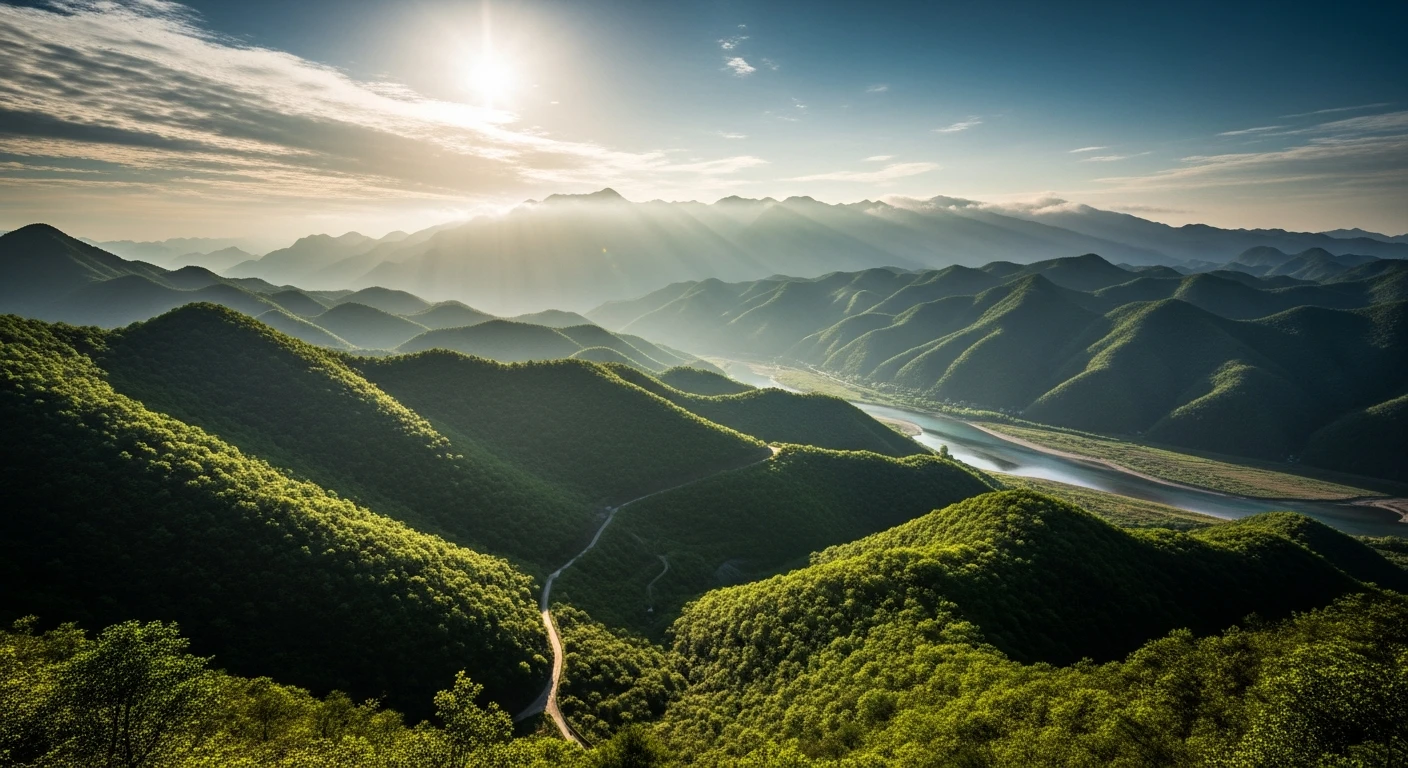
Central Hubei Province, nestled in the heart of China, is a region rich in history and cultural heritage. Known as the 'Land of Fish and Rice,' it is characterized by its fertile plains and strategic location along the Yangtze River. This area has been a cradle of Chinese civilization for millennia, with archaeological finds dating back to the Neolithic era. The province played a pivotal role during the Three Kingdoms period, a time immortalized in Chinese literature and folklore.
Geographically, central Hubei is defined by its lush landscapes, with the mighty Yangtze River carving its way through the province, creating stunning gorges and fertile valleys. The region's capital, Wuhan, is a bustling metropolis that blends modernity with tradition, offering a vibrant urban experience alongside serene natural beauty.
The vibe of central Hubei is a harmonious blend of the old and the new. While cities like Wuhan are rapidly modernizing, the rural areas retain a timeless charm. Visitors can expect to encounter warm hospitality, a rich tapestry of local customs, and a deep sense of history that permeates every corner.
Central Hubei offers a diverse range of accommodations to suit every traveler's needs. In Wuhan, the luxury traveler can indulge in opulence at renowned hotels such as the Wanda Reign or the Westin Wuhan, which offer world-class amenities and stunning views of the Yangtze River.
For budget-conscious travelers, the Jianghan District in Wuhan provides a variety of affordable hostels and guesthouses. These establishments offer cozy accommodations and are often located in areas rich with local culture, providing an authentic experience.
Outside the city, quaint inns and boutique hotels in smaller towns like Jingzhou and Yichang offer a more intimate stay, perfect for those looking to explore the countryside and historical sites.
Navigating central Hubei like a local is both convenient and efficient. Wuhan serves as the transportation hub, with its extensive metro system connecting key areas of the city. The metro is a reliable and affordable option for getting around, with signs and announcements in both Chinese and English.
For intercity travel, the high-speed rail network is a popular choice, linking Wuhan with other major cities in China. Buses and taxis are readily available for shorter distances, providing flexibility and ease of travel.
In rural areas, renting a bicycle or scooter can be a delightful way to explore the scenic countryside at your own pace.
Central Hubei is surrounded by hidden gems that offer unique excursions for the adventurous traveler. The Three Gorges, a short trip from Yichang, provide breathtaking views and a chance to cruise along the Yangtze River, witnessing the dramatic landscapes that have inspired poets and artists for centuries.
For history enthusiasts, the ancient city of Jingzhou, with its well-preserved city walls and historical sites, offers a glimpse into China's storied past. The Shennongjia Forest Reserve, a UNESCO World Heritage site, is a must-visit for nature lovers, boasting diverse flora and fauna and the legendary 'wild man' of China folklore.
These excursions offer a deeper understanding of central Hubei's natural beauty and historical significance, making them essential parts of any travel itinerary.
The best time to visit central Hubei is during the spring (March to May) and autumn (September to November) months. During these seasons, the weather is mild and pleasant, making it ideal for sightseeing and outdoor activities.
Spring brings blooming flowers and vibrant greenery, while autumn offers a tapestry of colors as the leaves change. These seasons also coincide with several festivals, providing an opportunity to experience local culture firsthand.
Summers can be hot and humid, while winters are cold, making them less ideal for travel unless you enjoy seasonal festivities or winter landscapes.
Central Hubei experiences a humid subtropical climate, with distinct seasons. January is the coldest month, with temperatures averaging around 4°C (39°F). Snowfall is rare but possible, adding a serene beauty to the landscape.
From March to May, temperatures gradually rise, ranging from 10°C to 25°C (50°F to 77°F), making it a comfortable time for outdoor exploration. June to August sees the hottest temperatures, often exceeding 30°C (86°F), accompanied by high humidity and frequent rain showers.
Autumn is marked by cooler temperatures, from 15°C to 25°C (59°F to 77°F), and is generally dry, providing perfect conditions for travel and exploration.
Central Hubei is a melting pot of cultural influences, with a rich tapestry of festivals and traditions. The people of Hubei are known for their friendliness and hospitality, often welcoming visitors with open arms and a warm smile.
One of the most celebrated festivals is the Dragon Boat Festival, held annually in June. This vibrant event features dragon boat races, traditional music, and delicious zongzi (sticky rice dumplings), providing a lively insight into local customs.
Etiquette in Hubei, as in much of China, places importance on respect and politeness. When visiting, it's customary to greet with a nod or a slight bow, and to address people by their titles and surnames.
Central Hubei is a paradise for food lovers, offering a diverse array of dishes that reflect its rich culinary history. One must-try dish is Re Gan Mian, or hot dry noodles, a beloved breakfast staple that originated in Wuhan. These noodles are served with a sesame paste sauce, providing a unique and flavorful start to the day.
Another local favorite is Doupi, a savory pancake made with glutinous rice and pork, often enjoyed during breakfast or as a snack. For those with a sweet tooth, Tangbao, a type of sweet bun filled with red bean paste, is a delightful treat.
The province's cuisine is characterized by bold flavors and a balance of spicy and savory, making it a culinary adventure for the senses.
Central Hubei boasts an array of tourist attractions that showcase its historical and cultural significance. The Yellow Crane Tower, a symbol of Wuhan, stands majestically along the banks of the Yangtze River. This iconic structure offers panoramic views of the city and is steeped in legend and poetry.
The Hubei Provincial Museum in Wuhan is a treasure trove of artifacts, including the famous Bianzhong (ancient chime bells), offering a fascinating glimpse into the region's rich history. Another must-visit is the Wudang Mountains, a UNESCO World Heritage site known for its Taoist monasteries and stunning natural beauty.
For a more serene experience, East Lake in Wuhan provides a tranquil escape with its scenic walking trails and traditional gardens. Lastly, the Enshi Grand Canyon, often referred to as the 'Grand Canyon of China,' offers breathtaking landscapes and thrilling hiking opportunities, making it a must-see for nature enthusiasts.
Nearby places worth adding to your itinerary.
Top stays in central Hubei province picked for comfort, value, and great guest reviews.