Alta Floresta
Explore stays
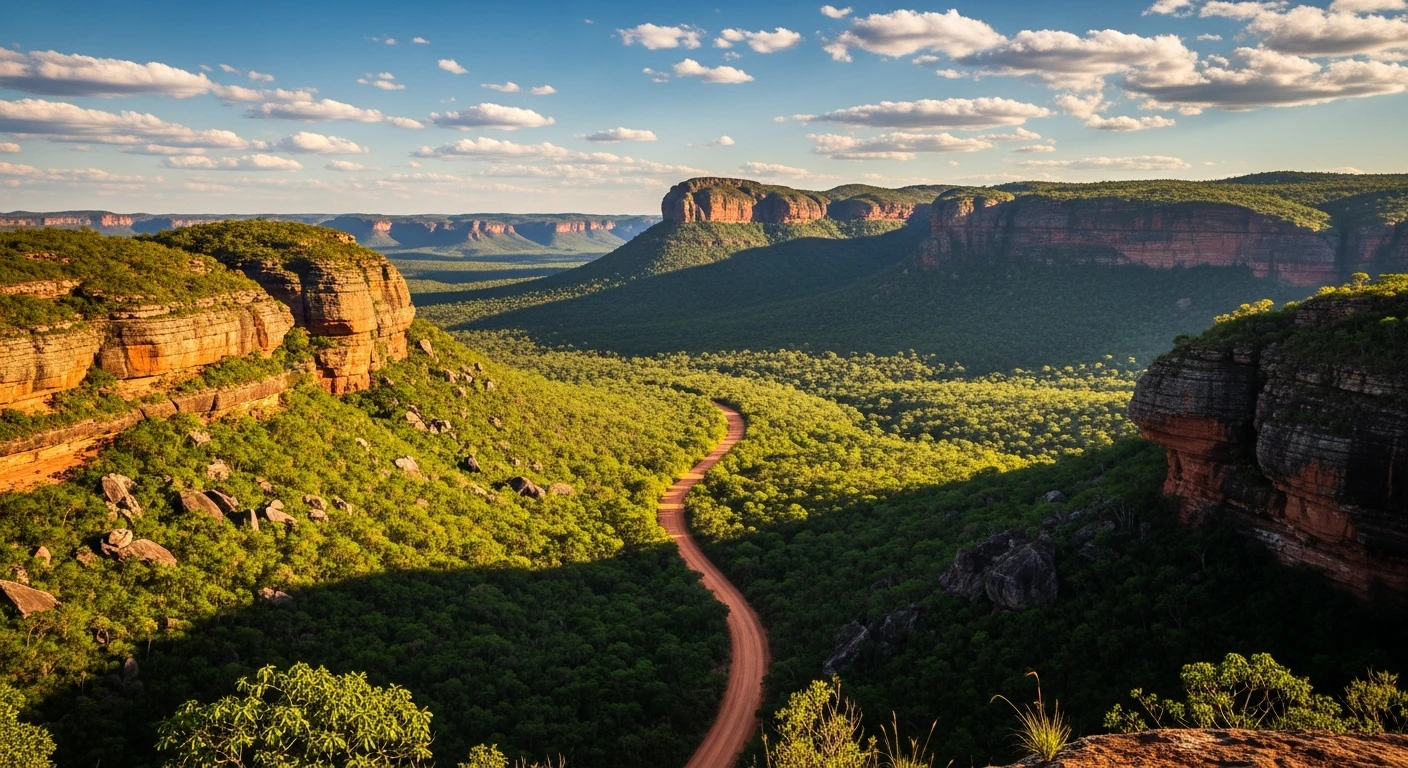
Nestled in the heart of Mato Grosso, Chapada dos Guimarães is a captivating blend of natural beauty and rich history. This region, known for its dramatic cliffs and expansive plateaus, is a geological wonder formed over millions of years. The sandstone formations that define the landscape are remnants of ancient seabeds, offering a glimpse into a prehistoric world.
The town itself, founded in the 18th century, was initially a gold mining settlement. Today, it exudes a laid-back vibe, attracting both adventurers and peace-seekers. The local community is a tapestry of indigenous traditions and colonial influences, creating a unique cultural mosaic.
Chapada dos Guimarães is often described as a natural amphitheater, where waterfalls cascade from towering cliffs and lush forests teem with wildlife. This vibrant ecosystem is part of the Cerrado, one of the most biodiverse savannas in the world. Visitors are drawn to its serene beauty and the promise of adventure, from hiking and rock climbing to bird watching.
Accommodation in Chapada dos Guimarães ranges from luxurious resorts to cozy budget inns. For those seeking opulence, the outskirts of the town offer high-end lodges with panoramic views of the surrounding landscape. These establishments often feature spa services and gourmet dining, perfect for unwinding after a day of exploration.
Budget travelers will find charming pousadas within the town center. These guesthouses provide a comfortable stay with a personal touch, often run by locals who are eager to share their insider tips on exploring Mato Grosso. Camping is also an option for those looking to stay close to nature, with several campsites available near key attractions.
Navigating Chapada dos Guimarães is an adventure in itself. While the town is small enough to explore on foot, accessing the national park and other attractions requires some planning. Renting a car is a popular choice, offering the flexibility to explore at your own pace.
For a more immersive experience, consider hiring a local guide. These experts offer invaluable insights into the region's history and ecology, turning a simple journey into an educational excursion. Public transportation is limited, but taxis and shuttle services can be arranged through most accommodations.
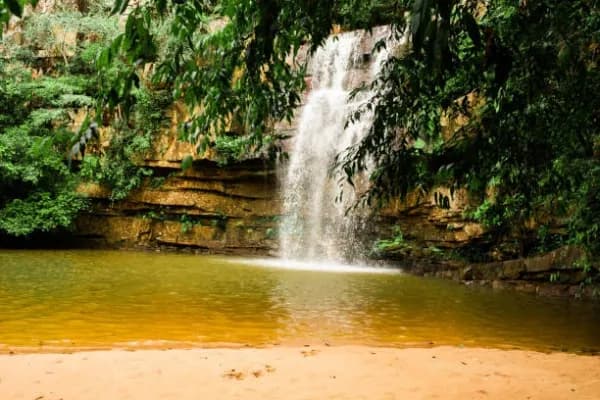
Beyond the well-trodden paths of Chapada dos Guimarães lie hidden gems waiting to be discovered. The Véu de Noiva waterfall, a stunning 86-meter cascade, is a must-see, but don't miss the lesser-known Cachoeira do Independente, a tranquil spot perfect for a refreshing dip.
The Cidade de Pedra offers breathtaking views of the valley below, with rock formations resembling a stone city. For a spiritual journey, visit the mystical Aroe Jari Cave, renowned for its ancient rock paintings and sacred significance to indigenous peoples of Mato Grosso.
The best time to visit Chapada dos Guimarães is during the dry season, from May to September. During these months, the weather is ideal for outdoor activities, with clear skies and cooler temperatures making it perfect for hiking and sightseeing.
The wet season, from October to April, brings lush greenery and vibrant wildlife, but also frequent rain showers. While some trails may be inaccessible, the waterfalls are at their most spectacular, offering a different kind of beauty.
Chapada dos Guimarães experiences a tropical savanna climate. January is the wettest month, with heavy rains that rejuvenate the landscape. February and March continue to be rainy but start to transition into drier weather by April.
From May to August, the climate is cooler and drier, with temperatures ranging from 15°C to 25°C. September and October mark the onset of warmer temperatures, with November and December seeing the return of rain.
The culture of Chapada dos Guimarães is a rich tapestry woven from the threads of indigenous heritage and colonial history. The region celebrates its roots with festivals such as the Festival de Inverno, a winter festival showcasing local music, art, and cuisine.
The people of Mato Grosso are known for their warm hospitality and deep connection to the land. Visitors are encouraged to respect local customs, such as greeting with a friendly "bom dia" and understanding the slow-paced, relaxed lifestyle.
Mato Grosso's culinary scene is a delightful fusion of indigenous and Portuguese influences. A must-try dish is the 'pacu assado', a grilled freshwater fish native to the region's rivers. Accompanying it is the 'farofa', a toasted cassava flour dish that is a staple in Brazilian cuisine.
Don't miss 'pequi', a fruit native to the Cerrado, often used in rice dishes. The local markets offer a bounty of fresh produce, reflecting the region's agricultural richness.
Chapada dos Guimarães National Park is the crown jewel of Mato Grosso, offering a plethora of attractions. The Véu de Noiva waterfall is iconic, its misty veil creating a mesmerizing spectacle. The park's hiking trails lead to Mirante do Centro Geodésico, a viewpoint marking the geographic center of South America.
The Casa de Pedra, a natural stone house, is a testament to the region's geological history. The mystical Lagoa Azul, or Blue Lagoon, enchants visitors with its crystal-clear waters and serene ambiance.
Finally, the Chapada dos Guimarães Archaeological Site offers a journey back in time, with ancient rock paintings and artifacts revealing the lives of the region's earliest inhabitants.
Nearby places worth adding to your itinerary.
Top stays in Chapada dos Guimarães picked for comfort, value, and great guest reviews.