Explore the Vibrant Charm of Chinchpokli
Welcome to Chinchpokli, a fascinating locality nestled in the heart of Mumbai, India. This guide will take you through the various aspects that make Chinchpokli a unique place to explore, offering a blend of historical significance and modern vibrancy. Whether you are a seasoned traveler or a curious explorer, Chinchpokli has something to offer everyone.
Overview of Chinchpokli
Chinchpokli is a historically rich area in South Mumbai. It was once a significant industrial hub, particularly known for its textile mills. Over time, while some of these mills have transformed, the area retains its distinct character. The name "Chinchpokli" is believed to have originated from the Marathi words "chinch" (tamarind) and "pokhli" (a cluster of houses near a tamarind tree). This hints at the area's earlier, more agrarian past before its industrialization.
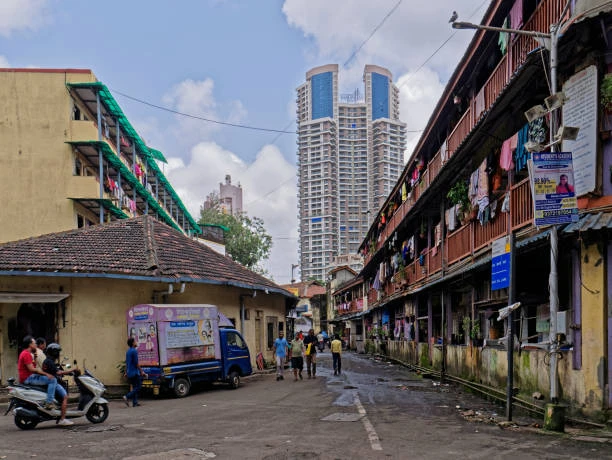
Today, Chinchpokli is a bustling neighborhood, a confluence of old-world charm and new developments. You'll find a mix of residential buildings, commercial establishments, and remnants of its industrial heritage. The area is well-connected and offers a glimpse into the everyday life of Mumbai, away from the more tourist-centric areas. Exploring Chinchpokli provides an authentic Mumbai experience.
Stay Options in and Around Chinchpokli
While Chinchpokli itself may not have a plethora of high-end hotels directly within its boundaries, there are various accommodation options available in the areas surrounding it. You can find a range of hotels, guesthouses, and service apartments in nearby localities like Parel, Lower Parel, and Byculla, all of which are easily accessible from Chinchpokli.
These neighboring areas offer a spectrum of choices, from budget-friendly stays to more luxurious accommodations. Many of these hotels provide modern amenities and good connectivity to the rest of the city. Staying in these areas allows you to easily explore Chinchpokli and other attractions in South Mumbai. It is advisable to book your accommodation in advance, especially during peak tourist seasons. Online travel portals offer a variety of options and price points to suit different needs.
Local Transportation in Chinchpokli
Navigating Chinchpokli and its surrounding areas is relatively convenient due to Mumbai's well-established local transportation network.
- Local Trains: The Chinchpokli railway station is a vital part of the Mumbai Suburban Railway network. It connects Chinchpokli to various parts of the city, making it an efficient and affordable mode of transport for getting to and from the area. However, be prepared for potentially crowded trains, especially during peak hours.
- Buses: The Brihanmumbai Electric Supply and Transport (BEST) operates a network of buses that serve Chinchpokli and its adjacent localities. Buses are a good option for shorter distances and for reaching areas not directly accessible by train.
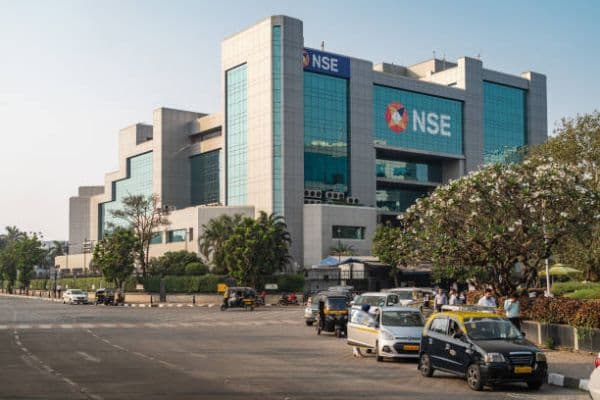
- Taxis and Auto-rickshaws: Taxis (both black and yellow, and app-based cabs) and auto-rickshaws are readily available in Chinchpokli. They offer a more comfortable and direct mode of transport, especially useful for navigating within the local area or reaching specific destinations. Agree on the fare beforehand if using a traditional black and yellow taxi or auto-rickshaw. App-based cabs can be booked conveniently through your smartphone.
Excursions from Chinchpokli
While Chinchpokli itself offers a unique charm, its central location in Mumbai makes it a convenient base for exploring other significant attractions in the city. Here are a few popular excursions you can consider:
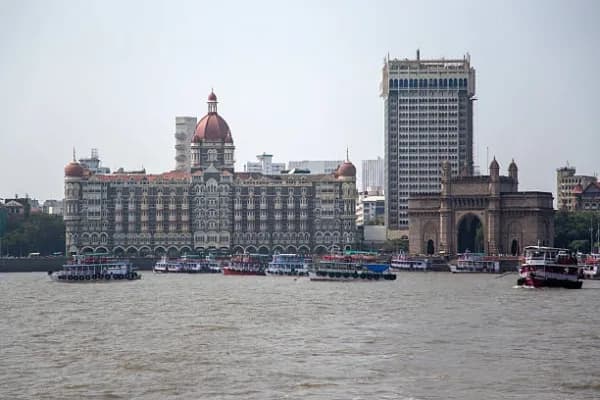
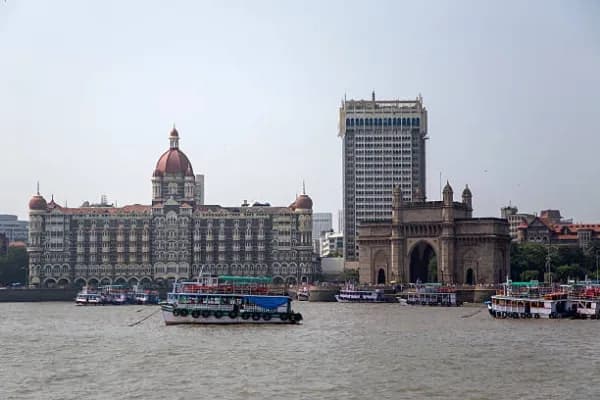
- Gateway of India: A majestic historical monument overlooking the Arabian Sea. It's a symbol of Mumbai and a popular tourist spot. You can take a ferry from here to Elephanta Caves.
- Elephanta Caves: A UNESCO World Heritage Site, these rock-cut caves feature intricate sculptures dedicated to Lord Shiva. A ferry ride from the Gateway of India takes you to Elephanta Island.
- Marine Drive: A scenic promenade along the coast, often referred to as the "Queen's Necklace" due to its string of lights at night. It's a great place for an evening stroll.
- Chhatrapati Shivaji Maharaj Terminus (CSMT): A stunning example of Victorian Gothic architecture and a UNESCO World Heritage Site. It's a major railway station and an iconic landmark.
- Colaba Causeway: A vibrant street market offering a variety of goods, from clothes and accessories to souvenirs and street food.
- Bandra-Worli Sea Link: An architectural marvel, this cable-stayed bridge offers stunning views of the Mumbai skyline and the Arabian Sea.
- Dadar Flower Market: A sensory experience, this bustling market is a riot of colors and fragrances, especially vibrant in the early morning.
These are just a few examples, and Mumbai offers a wealth of other attractions depending on your interests, from museums and art galleries to beaches and religious sites.
Best Time to Visit Chinchpokli
The best time to visit Chinchpokli, and Mumbai in general, is during the winter months, from late October to March. During this period, the weather is relatively cool and pleasant, making it ideal for sightseeing and exploring the city. The humidity is lower, and the temperatures generally range from a comfortable 15°C to 30°C.
The summer months (April to June) can be hot and humid, with temperatures often exceeding 35°C, which might make outdoor activities less enjoyable. The monsoon season (June to September) brings heavy rainfall, which can sometimes disrupt transportation and outdoor plans. While the monsoon has its own charm, it might not be the most convenient time for tourism. Therefore, planning your visit to Chinchpokli during the winter months will generally offer the most comfortable and enjoyable experience.
Weather in Chinchpokli
Being a part of Mumbai, Chinchpokli experiences a tropical climate characterized by distinct seasons:
- Winter (Late October to March): Pleasant and dry weather with temperatures ranging from 15°C to 30°C. This is considered the most comfortable time to visit.
- Summer (April to June): Hot and humid conditions with temperatures often soaring above 35°C. The humidity can make it feel even hotter.
- Monsoon (June to September): Heavy rainfall is common during this period. While the rains bring relief from the summer heat, they can also lead to waterlogging and transportation disruptions.
It's advisable to check the weather forecast before your visit and pack accordingly. Light cotton clothing is recommended throughout the year, with a light jacket or shawl for the winter months. If visiting during the monsoon, carry an umbrella or raincoat.
Culture of Chinchpokli
Chinchpokli, like the rest of Mumbai, has a vibrant and diverse culture. It is a melting pot of various communities, each contributing to the area's unique social fabric. While it may not have specific cultural landmarks that draw large tourist crowds, the essence of its culture lies in the everyday life of its residents, the local markets, and the traditional festivals that are celebrated with enthusiasm.
You can experience the local culture by:
- Visiting local markets: Explore the smaller markets in Chinchpokli to witness the daily hustle and bustle and interact with local vendors.
- Observing festivals: If your visit coincides with any major Indian festivals like Ganesh Chaturthi, Diwali, or Holi, you'll get a glimpse of the vibrant celebrations in the community.
- Interacting with locals: Engage in conversations with the residents to learn about their way of life and the history of the area.
- Exploring old buildings: Look out for remnants of the old textile mills and traditional architecture that tell the story of Chinchpokli's past.
The culture of Chinchpokli is an integral part of the larger Mumbai culture, which is known for its resilience, its fast-paced life, and its warm hospitality.
Local Food Options in Chinchpokli
Exploring the local food scene in and around Chinchpokli is a treat for the taste buds. Mumbai is famous for its street food, and you'll find many options to sample in this area and its surroundings.
- Street Food: Look out for vendors selling vada pav (a spiced potato fritter in a bun), pav bhaji (vegetable curry served with bread), pani puri (crispy fried dough balls filled with spiced water), and bhel puri (a savory snack made with puffed rice). These are must-try Mumbai street food staples.
- Maharashtrian Cuisine: Don't miss the opportunity to try authentic Maharashtrian dishes like misal pav (a spicy lentil curry served with bread), thalipeeth (a savory multi-grain flatbread), and puran poli (sweet flatbread stuffed with lentils and jaggery). You might find local eateries serving these delicacies.
- Irani Cafes: Mumbai has a rich history of Irani cafes, and you might find some older establishments in the vicinity serving bun maska (buttered bread), chai (tea), and other simple yet delicious snacks.
- Modern Eateries: The areas surrounding Chinchpokli, like Lower Parel, offer a range of modern restaurants, cafes, and bars serving various cuisines, from Indian and international to fusion dishes.
Exploring the food options in Chinchpokli and its neighboring areas will give you a true taste of Mumbai's culinary diversity. Be adventurous and try the local flavors!
Tourist Attractions in Chinchpokli
While Chinchpokli may not be on the typical tourist map with grand monuments, it has its own unique attractions and points of interest:
- Remnants of Textile Mills: The old mill structures stand as a reminder of Chinchpokli's industrial past. Some of these have been redeveloped, while others still retain their historical facade. Exploring these areas offers a glimpse into the city's transformation.
- Local Markets: The bustling local markets provide an authentic Mumbai experience. You can witness the daily life of the community and find a variety of goods.
- Chinchpokli Railway Station: Even a busy railway station can be an interesting place to observe the city's pulse and the efficiency of its public transport system. The architecture of some older sections might also be noteworthy.
- Temples and Local Shrines: You might come across smaller temples and local shrines that are important to the community. These offer a peaceful respite from the city's hustle.
- Street Art: As the area evolves, you might find pockets of street art that add a contemporary touch to the traditional surroundings.
Exploring Chinchpokli is about experiencing the everyday life of Mumbai, its history, and its ongoing transformation. It offers a different perspective compared to the more conventional tourist hotspots.