
Ankaran
Explore stays
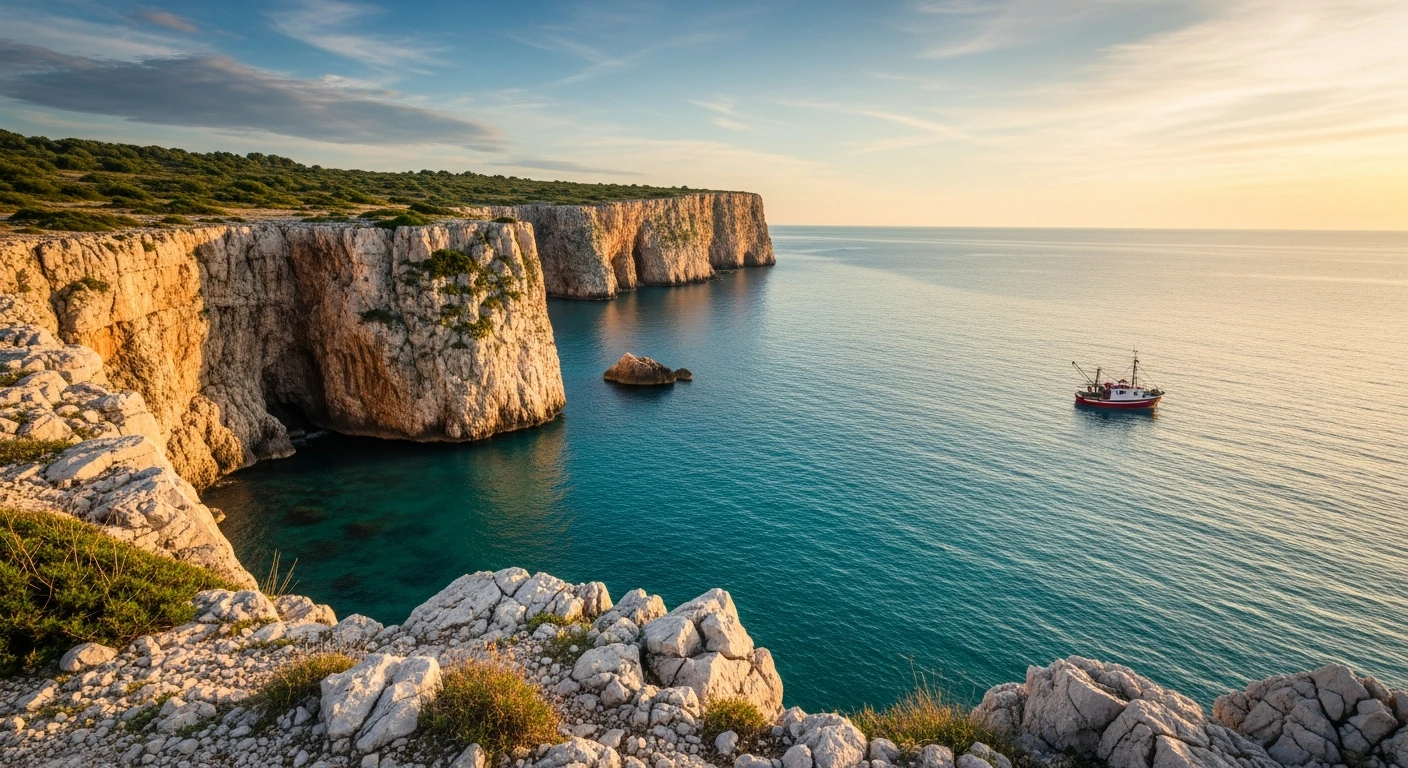
The Coastal-Karst region of Slovenia is a captivating mosaic of natural beauty, rich history, and vibrant culture. This area, often overshadowed by Slovenia's more famous attractions, offers a serene yet intriguing escape for those willing to explore its depths.
Geographically, the Coastal-Karst is located in the southwestern part of Slovenia, bordering the Adriatic Sea. It is characterized by its karst landscapes, which include limestone plateaus, underground caves, and unique rock formations. The region's proximity to the sea means visitors can enjoy both mountainous terrains and coastal vistas within a short drive.
The history of Coastal-Karst is as intricate as its landscape. This region has been a melting pot of cultures and civilizations, from the ancient Illyrians to the Romans, and later the Venetians. Each era has left a distinct mark on the region's architecture, traditions, and way of life. The Venetian influence is notably present in the coastal towns, with their picturesque piazzas and narrow alleyways.
The vibe of Coastal-Karst is a blend of Mediterranean relaxation and Central European charm. Visitors often find themselves captivated by the laid-back lifestyle, where time seems to slow down, allowing for a deeper appreciation of its natural and cultural offerings. Whether you're exploring the historic streets of Koper or hiking through the karst formations, the region invites you to immerse yourself fully in its unique rhythm.
Coastal-Karst offers a variety of accommodations to suit different tastes and budgets. For those seeking luxury, the coastal town of Portorož is home to several high-end resorts and hotels. Here, guests can indulge in spa treatments and enjoy stunning sea views. The Kempinski Palace Portorož, for example, offers a blend of historic charm and modern amenities, making it a popular choice for upscale travelers.
For budget-conscious travelers, the town of Piran offers charming guesthouses and bed-and-breakfasts. Staying in Piran provides an opportunity to experience the authentic Slovenian coastal lifestyle at a more affordable price. The town's narrow streets and historic architecture provide a picturesque setting for a memorable stay.
Additionally, for those who prefer a more rural experience, staying in a traditional Slovenian farmhouse in the karst hinterlands can be both economical and enriching. These accommodations often offer homemade meals and the chance to learn about local traditions firsthand.
Getting around the Coastal-Karst region is relatively straightforward. The area is well-connected by public transportation, with buses being the primary mode of transport. The local bus network efficiently links major towns like Koper, Izola, and Piran, making it easy for visitors to explore without a car.
For those who prefer more flexibility, renting a car is a convenient option. The roads in this region are well-maintained, and having a vehicle allows for spontaneous detours to hidden gems and scenic viewpoints. Biking is another popular way to explore, particularly along the coastal paths, where one can enjoy the sea breeze and stunning landscapes.
For short distances within towns, walking is the best way to soak in the local atmosphere. Whether wandering through Koper’s historic center or along the Piran promenade, the region’s compact towns are best experienced on foot.
Beyond the well-trodden paths, Coastal-Karst offers several hidden gems that are worth exploring. A day trip to the Škocjan Caves, a UNESCO World Heritage site, is a must. These breathtaking underground caves feature towering stalagmites and a mysterious underworld river, offering a glimpse into Slovenia’s karst phenomena.
Another captivating excursion is a visit to the Sečovlje Salina Nature Park. This expansive salt flat is not only a haven for birdwatchers but also a place to learn about traditional salt-making techniques that have been practiced for centuries.
For wine enthusiasts, a trip to the Vipava Valley is recommended. This region, known for its unique microclimate, produces some of Slovenia's finest wines. Visiting local vineyards provides an opportunity to sample exquisite varieties and learn about the winemaking process directly from passionate vintners.
The best time to visit the Coastal-Karst region of Slovenia depends on your interests. Spring (April to June) is ideal for nature lovers and hikers, as the landscape bursts into bloom and the weather is pleasantly mild.
Summer (July to August) is the peak tourist season, with warm temperatures perfect for beach activities and exploring coastal towns. However, it can be crowded, especially in popular spots like Portorož and Piran.
Autumn (September to October) offers a quieter experience, with fewer tourists and milder weather. This is an excellent time for wine tours and enjoying the fall foliage in the karst landscapes.
Winter (November to March) is the off-season, with cooler temperatures and occasional rain. While some attractions may have limited openings, this is a peaceful time to explore without the crowds.
The Coastal-Karst region experiences a Mediterranean climate, characterized by hot, dry summers and mild, wet winters. Here's a month-by-month breakdown:
January and February are the coldest months, with temperatures ranging from 2°C to 9°C. Rain is common, but occasional sunny days offer crisp, clear skies.
March and April see temperatures rise to between 8°C and 16°C. Spring showers are frequent, but the landscape begins to bloom, making it a beautiful time to visit.
May and June bring warmer weather, with temperatures ranging from 14°C to 24°C, perfect for outdoor activities and exploring the coast.
July and August are the hottest months, with temperatures often reaching 30°C. This is the best time for beachgoers and water sports enthusiasts.
September and October offer a pleasant climate for touring, with temperatures from 15°C to 25°C. The autumn colors add a picturesque backdrop to the region.
November and December see cooler temperatures, from 5°C to 12°C, with increased rainfall, but the festive atmosphere and local events make it a charming off-season visit.
The culture of Coastal-Karst is a fascinating blend of influences from its diverse historical rulers, including Roman, Venetian, and Austro-Hungarian empires. This rich tapestry is reflected in the region's festivals, architecture, and local customs.
One of the most celebrated festivals is the Piran Tartini Festival, held every summer in honor of the famed violinist Giuseppe Tartini, a native of Piran. This classical music festival attracts international artists and audiences, transforming the town into a hub of cultural activity.
The locals, known for their warmth and hospitality, often converse in a melodic mix of Slovenian and Italian, reflecting the region's bilingual heritage. Visitors are welcomed with open arms and are often invited to join in local celebrations and traditions.
Etiquette in Slovenia is generally formal, with an emphasis on politeness and respect. When dining, it is customary to greet with a handshake and maintain eye contact. Tipping is appreciated but not obligatory, usually rounding up the bill is sufficient.
Slovenia's Coastal-Karst region offers a delectable culinary experience that is deeply rooted in its Mediterranean and Central European influences. Seafood is a staple, with dishes like calamari and Adriatic fish being popular choices.
One must-try dish is 'Pršut', a dry-cured ham similar to Italian prosciutto. It is often served with local cheese and olives, making for a delightful appetizer. The region is renowned for its olive oil, which is used generously in local cuisine.
Another traditional dish is 'Jota', a hearty stew made with sauerkraut, beans, and potatoes, reflecting the region's rustic culinary history. Pairing these dishes with a glass of local wine, such as Refošk or Malvazija, enhances the dining experience.
The Coastal-Karst region of Slovenia is home to several must-see landmarks that showcase its natural beauty and historical significance. Here is a deep dive into the top five attractions:
Piran: This charming coastal town is often likened to a miniature Venice, with its narrow streets, vibrant piazzas, and Venetian Gothic architecture. The main square, Tartini Square, is a focal point, named after the famous violinist Giuseppe Tartini. Climb the bell tower for panoramic views of the Adriatic Sea and the surrounding landscape.
Škocjan Caves: A UNESCO World Heritage site, these caves are a natural wonder not to be missed. The underground chambers and vast subterranean river create an awe-inspiring setting. Guided tours offer insights into the geological formations and the history of human habitation in the caves.
Koper: The largest city in the region, Koper boasts a rich history and a vibrant cultural scene. Visit the Praetorian Palace, a stunning example of Venetian architecture, and explore the old town's maze of cobblestone streets. The city's lively markets and waterfront promenade add to its appeal.
Sečovlje Salina Nature Park: This expansive salt pan is a haven for nature lovers and history enthusiasts alike. Learn about the traditional salt-harvesting methods that have been practiced here for centuries, and enjoy the diverse flora and fauna that call the park home.
Lipica Stud Farm: Known as the cradle of the Lipizzaner horses, Lipica is a historic stud farm where visitors can witness the grace and beauty of these iconic horses. Guided tours provide insight into the breeding and training of Lipizzaners, and the farm's history as a cultural landmark.
Nearby places worth adding to your itinerary.
Top stays in Coastal-Karst picked for comfort, value, and great guest reviews.