
Armoy
Explore stays
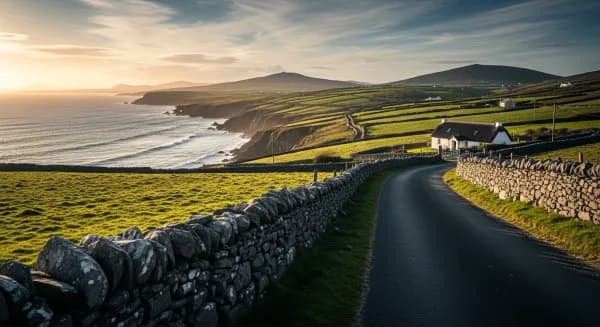
County Clare, located on the west coast of Ireland, is a region steeped in history and natural beauty. Known for its rugged coastline and rolling green hills, Clare is a place where ancient traditions and modern life coexist harmoniously. The county is bordered by the Atlantic Ocean to the west and the River Shannon to the east, creating a diverse landscape that is both captivating and serene.
Historically, County Clare has been inhabited since the Mesolithic era, with evidence of human settlement dating back over 6,000 years. The area is rich in archaeological sites, including the famous Poulnabrone dolmen, a portal tomb that stands as a testament to the region's ancient past. Clare was a significant center during the Gaelic era and later became a stronghold for the O'Brien dynasty, who played a pivotal role in the county's development.
The vibe in County Clare is one of warmth and hospitality, with locals known for their friendly demeanor and welcoming nature. The traditional Irish culture is alive and well here, with music, dance, and storytelling forming an integral part of everyday life. Visitors to Clare are often struck by the sense of community and the deep connection to the land that is evident in every corner of the county.
County Clare offers a range of accommodation options to suit every budget and preference. For those seeking luxury, the Dromoland Castle Hotel provides an opulent experience in a historic setting. This 16th-century castle, set amidst 450 acres of stunning landscape, offers guests a taste of royal living with its elegant rooms, fine dining, and world-class golf course.
Travelers on a budget will find plenty of charming bed and breakfasts in towns like Ennis and Lahinch. These family-run establishments offer a cozy and intimate experience, often with home-cooked breakfasts and personalized service. Hostels and guesthouses are also available for those seeking affordable and sociable lodging options.
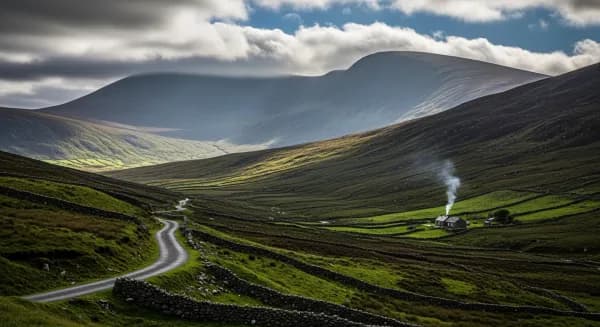
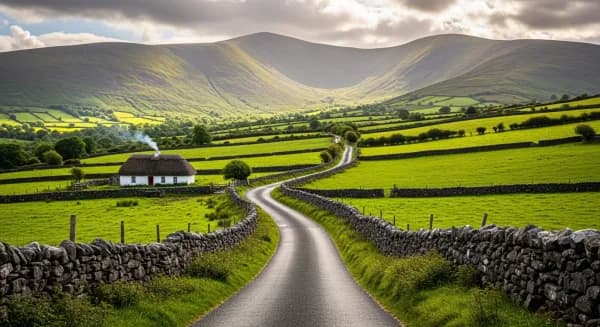
For a truly unique stay, consider booking a night in a traditional Irish cottage. These quaint homes, often located in rural areas, provide a glimpse into the past and allow guests to experience the tranquility of the Clare countryside.
Navigating County Clare like a local is an adventure in itself. Public transportation options include buses and trains, with Bus Éireann providing regular services between major towns and cities. The train service, operated by Iarnród Éireann, connects Ennis to Limerick and Galway, making it easy to explore the wider region.
For those looking to explore off the beaten path, renting a car is highly recommended. This allows for greater flexibility and the opportunity to discover hidden gems that are not accessible by public transport. The roads in Clare are generally well-maintained, though some rural routes can be narrow and winding, adding to the charm of the journey.
Cycling is also a popular mode of transport, particularly along the scenic routes of the Wild Atlantic Way. Bicycle rentals are available in most towns, and the gentle terrain makes for a pleasant ride through the picturesque countryside.
While County Clare itself is a treasure trove of attractions, the surrounding areas offer even more to explore. Just a short drive away is the Burren, a unique karst landscape that is home to a diverse range of flora and fauna. Guided tours of the Burren National Park provide insights into the geological and ecological significance of this remarkable area.
Another must-visit destination is the Aran Islands, accessible by ferry from the town of Doolin. These islands are renowned for their rugged beauty and rich cultural heritage, with ancient forts and traditional Irish villages waiting to be explored. A day trip to the islands offers a chance to step back in time and experience a way of life that has remained largely unchanged for centuries.
For those interested in history, a visit to the nearby Bunratty Castle and Folk Park is highly recommended. This 15th-century castle, along with its recreated 19th-century village, offers a fascinating glimpse into Ireland's past and is a great family-friendly excursion.
The best time to visit County Clare depends on your preferences for weather and activities. The summer months of June to August are the most popular, with long days and mild temperatures ideal for outdoor exploration. This is also the peak tourist season, so expect larger crowds at popular attractions.
Spring (March to May) and autumn (September to November) offer a quieter experience with fewer tourists and pleasant weather. These seasons are perfect for hiking and enjoying the natural beauty of the county without the hustle and bustle of summer.
Winter (December to February) in Clare is cold and wet, but it also offers a unique charm. The landscape takes on a mystical quality, and indoor attractions such as museums and traditional pubs provide warmth and entertainment.
County Clare experiences a temperate maritime climate, characterized by mild temperatures and frequent rainfall. January and February are the coldest months, with average temperatures ranging from 3°C to 8°C (37°F to 46°F). Snowfall is rare but can occur in higher elevations.
March to May sees a gradual warming, with temperatures rising to between 7°C and 15°C (45°F to 59°F). Rain is still common, so packing waterproof clothing is advisable.
June to August are the warmest months, with temperatures typically ranging from 12°C to 20°C (54°F to 68°F). Although summer is the driest season, occasional showers are still likely.
September to November sees a cooling trend, with temperatures falling to between 8°C and 14°C (46°F to 57°F). Autumn is a beautiful time to visit, with the landscape awash in vibrant colors.
County Clare is a cultural heartland of Ireland, renowned for its traditional music and dance. The region hosts numerous festivals throughout the year, celebrating everything from Irish folklore to contemporary arts. The Willie Clancy Summer School, held in July, is a week-long festival dedicated to traditional Irish music and attracts musicians and enthusiasts from around the world.
The people of Clare are known for their friendliness and hospitality, often going out of their way to make visitors feel welcome. It's common to be greeted with a warm smile and a chat, whether you're in a bustling market or a quiet pub.
When visiting Clare, it's important to respect local customs and etiquette. A polite greeting and a thank you go a long way, and participating in local traditions, such as a céilí (traditional dance), is a wonderful way to immerse yourself in the culture.
The culinary scene in County Clare is a delightful mix of traditional Irish fare and modern gastronomy. Seafood is a highlight, with fresh catches from the Atlantic featuring prominently on menus. Be sure to try the local smoked salmon, a delicacy that is both flavorful and rich in history.
Other must-try dishes include Irish stew, made with tender lamb and root vegetables, and boxty, a type of potato pancake that is both hearty and delicious. For those with a sweet tooth, the traditional dessert of apple tart, often served with a dollop of fresh cream, is a perfect treat.
Many restaurants in Clare focus on using locally sourced, organic ingredients, ensuring a fresh and authentic dining experience. Farmers' markets, such as the Ennis Farmers' Market, are great places to sample local produce and artisanal products.
County Clare is home to some of Ireland's most iconic landmarks, each offering a unique glimpse into the region's history and natural beauty.
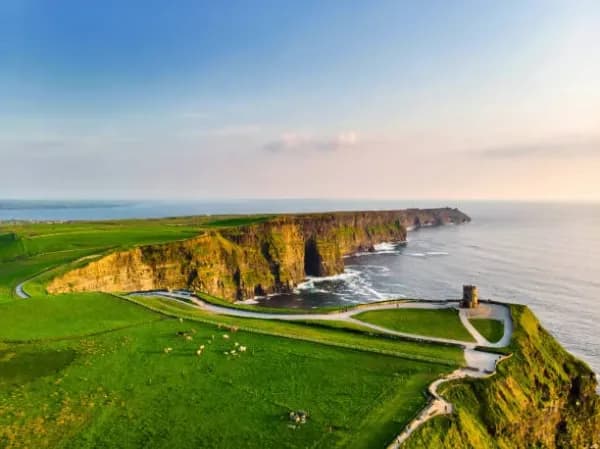
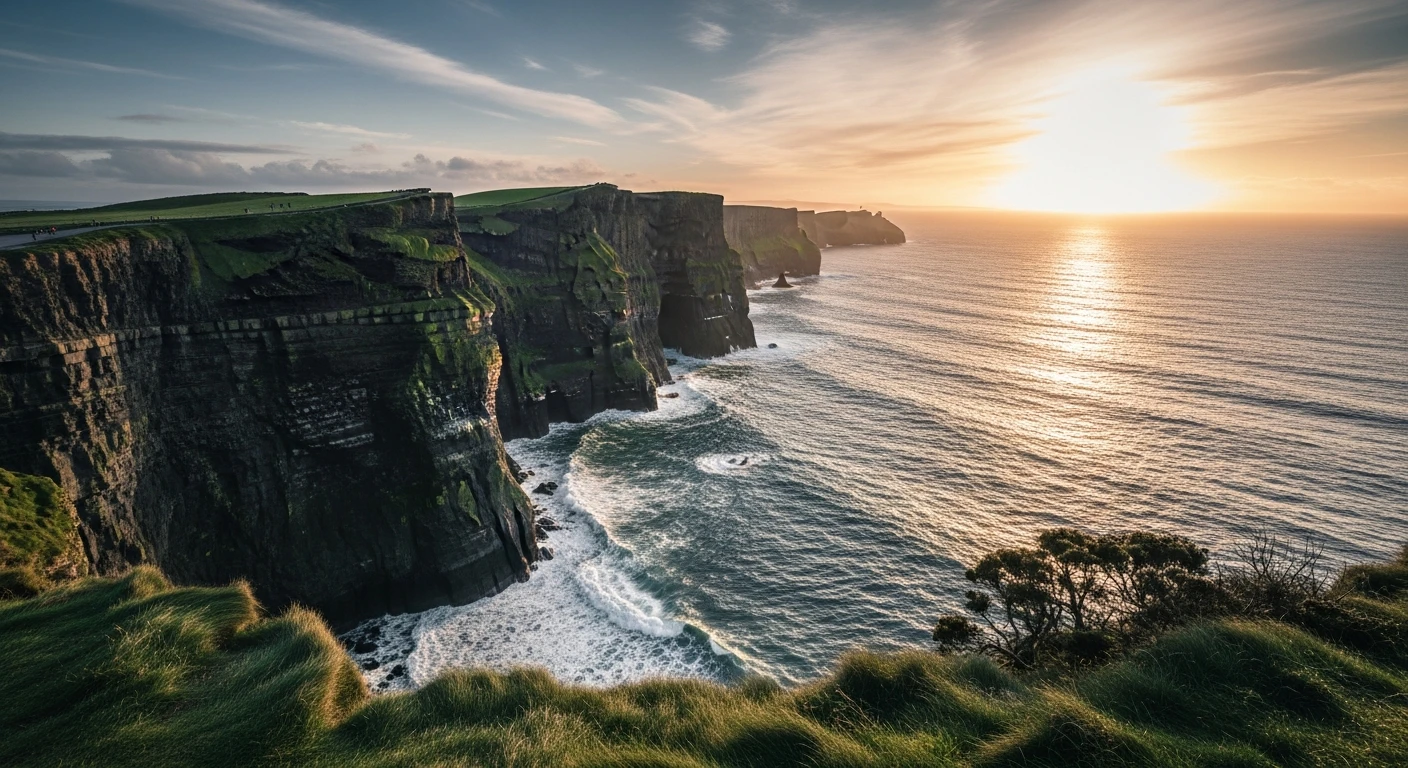
The Cliffs of Moher are perhaps the most famous attraction in Clare, drawing visitors from around the globe. These dramatic cliffs rise over 200 meters above the Atlantic Ocean, offering breathtaking views and a sense of awe-inspiring grandeur. The visitor center provides interactive exhibits and insights into the geology and ecology of the area.
The Burren is a unique landscape of limestone pavements and rare flora, creating an otherworldly environment that is both stark and beautiful. Guided walks and tours offer an opportunity to explore this fascinating region and learn about its geological significance.
Bunratty Castle and Folk Park is a must-visit for history enthusiasts. The castle, dating back to the 15th century, is one of Ireland's best-preserved medieval fortresses. The adjoining folk park recreates a 19th-century village, complete with traditional thatched cottages and costumed characters.
Doolin Cave is home to the Great Stalactite, one of the world's longest free-hanging stalactites. Guided tours of the cave offer a fascinating underground adventure and a chance to marvel at this natural wonder.
Ailwee Cave, located in the heart of the Burren, offers guided tours through its winding passages and underground waterfalls. The site also features a bird of prey center, where visitors can learn about and interact with native and exotic birds.
Nearby places worth adding to your itinerary.