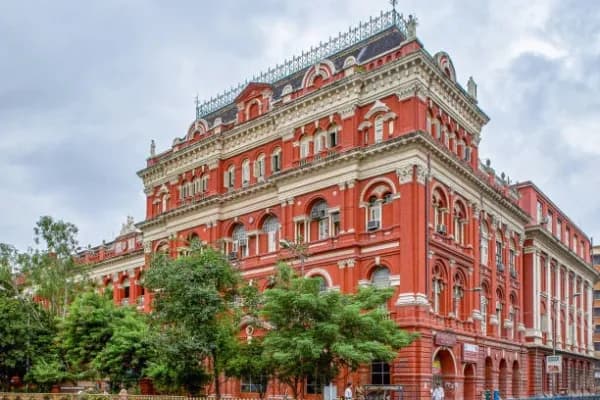
B.B.D. Bagh
Explore stays
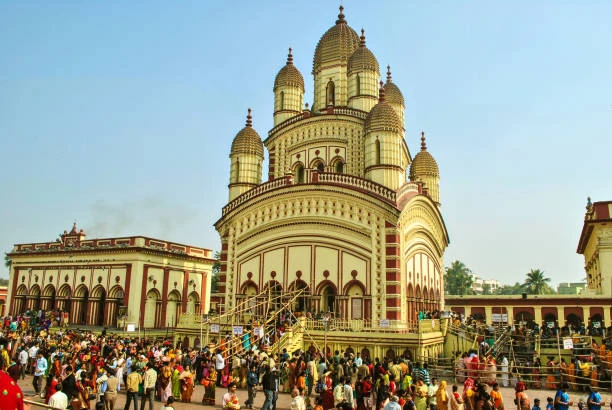
Welcome to Dakshineswar! This vibrant place offers a rich cultural experience. It is known for its famous temple and serene surroundings. This guide will help you plan your visit to Dakshineswar.
Dakshineswar is primarily known for the Dakshineswar Kali Temple. This temple is dedicated to Goddess Kali. The temple complex is located on the eastern bank of the Hooghly River. The serene flow of the river adds to the spiritual ambiance of the place.
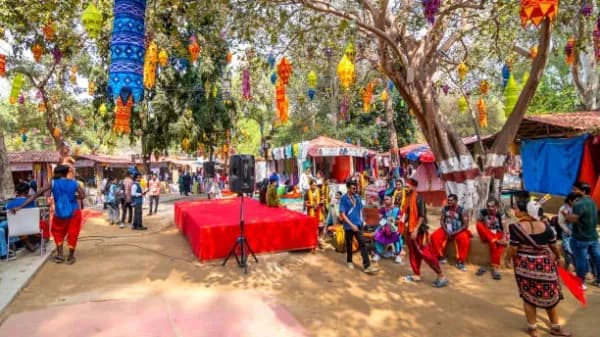
Apart from the temple, Dakshineswar offers a glimpse into the local Bengali culture. You can witness the daily life of the people. The bustling markets around the temple sell various religious items and local crafts. The atmosphere is generally peaceful and welcoming to tourists.
Dakshineswar is easily accessible from Kolkata. This makes it a popular destination for both locals and tourists. The area has developed over time to accommodate visitors. You will find basic amenities and services here.
While Dakshineswar itself has limited high-end accommodation, several options are available. You can find budget-friendly guesthouses and lodges near the temple. These provide basic amenities for a comfortable stay.
Many tourists prefer to stay in Kolkata. Kolkata offers a wide range of hotels, from budget to luxury. From Kolkata, Dakshineswar can be easily visited as a day trip. This allows you to explore the city's accommodation options and then travel to Dakshineswar for sightseeing.
Some ashrams and dharmashalas near the temple also offer accommodation. These are usually simple and primarily cater to devotees. Booking in advance is advisable, especially during peak season.
Getting around Dakshineswar is relatively easy. Auto-rickshaws are a common mode of transport. They ply on fixed routes and can also be hired for shorter distances. Cycle-rickshaws are also available for navigating the local area.
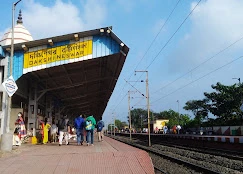
Buses connect Dakshineswar to various parts of Kolkata and nearby towns. The Dakshineswar railway station is also a major transportation hub. Local trains connect it to different parts of the city and suburbs.
For traveling from Kolkata to Dakshineswar, you have several options. You can take a local train to Dakshineswar station. Buses are also frequent from different parts of Kolkata. App-based taxi services and regular taxis are readily available as well. These offer a more comfortable but slightly expensive option.
Once in Dakshineswar, most of the attractions are within walking distance of the temple. This makes it convenient for exploring the area on foot.
Dakshineswar serves as a good base for exploring nearby attractions. Kolkata, the cultural capital of West Bengal, is easily accessible. You can plan day trips to various historical and cultural sites in Kolkata.
Some popular excursions from Dakshineswar include visiting the Belur Math. Belur Math is the headquarters of the Ramakrishna Math and Mission. It is located on the opposite bank of the Hooghly River and can be reached by boat or road.
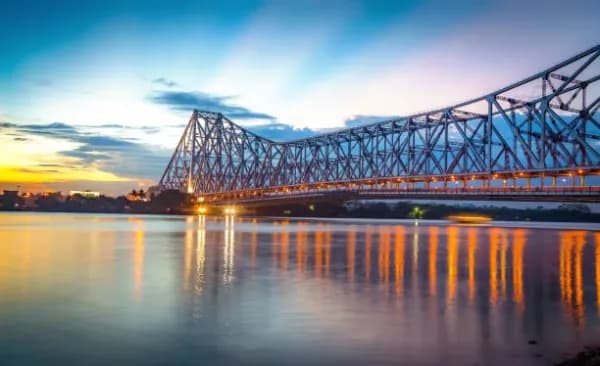
You can also explore other temples and historical sites in North Kolkata. These offer a glimpse into the rich heritage of the region. The Howrah Bridge, a famous landmark, is also easily accessible from Dakshineswar.
For nature lovers, a visit to the Botanical Garden in Howrah is a good option. It houses a vast collection of plants and trees. These excursions can be planned as day trips, returning to your accommodation in Kolkata or Dakshineswar in the evening.
The best time to visit Dakshineswar is during the winter months, from October to March. The weather during this period is pleasant and comfortable for sightseeing. The temperature ranges from 15°C to 25°C. The days are sunny, and the evenings are mildly cool.
The autumn months (September to November) are also a good time to visit. The weather is generally clear and the humidity is lower compared to the monsoon season.
The summer months (April to June) can be hot and humid. Temperatures can rise significantly, making it uncomfortable for outdoor activities. The monsoon season (July to September) brings heavy rainfall, which might disrupt travel plans and sightseeing. However, the lush greenery during the monsoon has its own charm.
Considering the weather conditions, planning your visit between October and March is ideal for a comfortable and enjoyable experience in Dakshineswar.
Dakshineswar experiences a tropical wet and dry climate. The year can be broadly divided into three main seasons: summer, monsoon, and winter.
Summer (April to June): This season is characterized by high temperatures and humidity. The temperature can go up to 40°C or even higher. It is advisable to avoid visiting during the peak summer months if you are not comfortable with extreme heat.
Monsoon (July to September): The monsoon brings significant rainfall to Dakshineswar. The humidity remains high during this period. While the rains can offer relief from the summer heat, they can also lead to waterlogging and disruptions in transportation.
Winter (October to March): Winter is the most pleasant season in Dakshineswar. The weather is mild and comfortable, with sunny days and cool evenings. This makes it the ideal time for tourism and outdoor activities. The temperature generally ranges between 15°C and 25°C.
The weather in Dakshineswar is similar to that of Kolkata, as it is located in the same region. It is always a good idea to check the weather forecast before planning your trip.
Dakshineswar is deeply rooted in Bengali culture and traditions. The presence of the famous Kali Temple significantly influences the local culture. You will witness various religious practices and rituals being performed daily.
The people of Dakshineswar are generally warm and welcoming. Bengali is the primary language spoken here. You might also hear Hindi and English being used, especially in areas frequented by tourists.
Festivals are an integral part of the culture. Durga Puja, Kali Puja, and other Bengali festivals are celebrated with great enthusiasm. Visiting during these festivals can offer a unique cultural experience, with vibrant decorations and processions.
The attire of the local people is typically traditional Bengali clothing. You will see women wearing sarees and men wearing dhotis or kurtas. The lifestyle is generally simple and community-oriented.
When in Dakshineswar, you must try the local Bengali cuisine. Several small eateries and sweet shops around the temple offer a variety of traditional dishes.
Some popular local food options include:
You can find these and other local delicacies in the eateries near the Dakshineswar temple and in the surrounding market areas. Exploring the local food scene is a great way to experience the culture of the place.
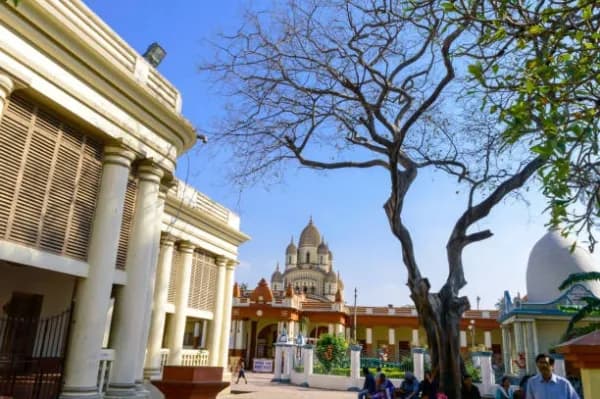
The primary tourist attraction in Dakshineswar is the Dakshineswar Kali Temple. This temple was founded by Rani Rashmoni in the mid-19th century. It is dedicated to Goddess Kali, also known as Bhavatarini.
The temple complex consists of the main Kali temple and twelve smaller Shiva temples along the riverfront. The architecture of the temples is unique and reflects the traditional Bengali style.
The serene atmosphere of the temple and the beautiful view of the Hooghly River attract devotees and tourists alike. You can witness the daily rituals and prayers. The temple is a significant pilgrimage site.
Apart from the temple, the Ramakrishna Paramhansa's room is also located within the temple complex. He was a prominent spiritual leader who spent a significant part of his life here. His room is preserved and offers insights into his life and teachings.
The garden area within the temple complex provides a peaceful retreat. You can stroll along the pathways and enjoy the tranquility of the surroundings.
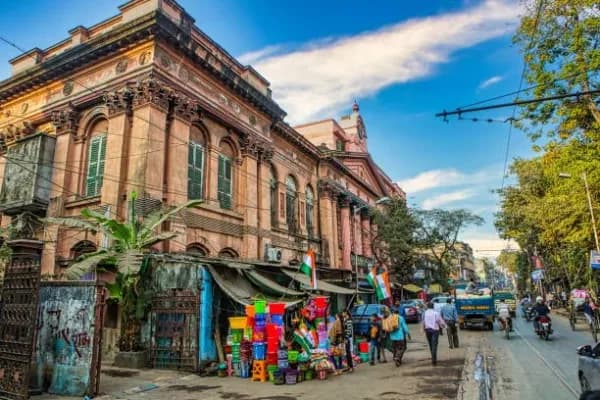
The bustling market area outside the temple is also worth exploring. You can find various religious artifacts, souvenirs, and local crafts here. It offers a glimpse into the local trade and commerce.
Nearby places worth adding to your itinerary.
Local guide picks to help you explore Dakshineswar better.