Barbuda
Explore stays
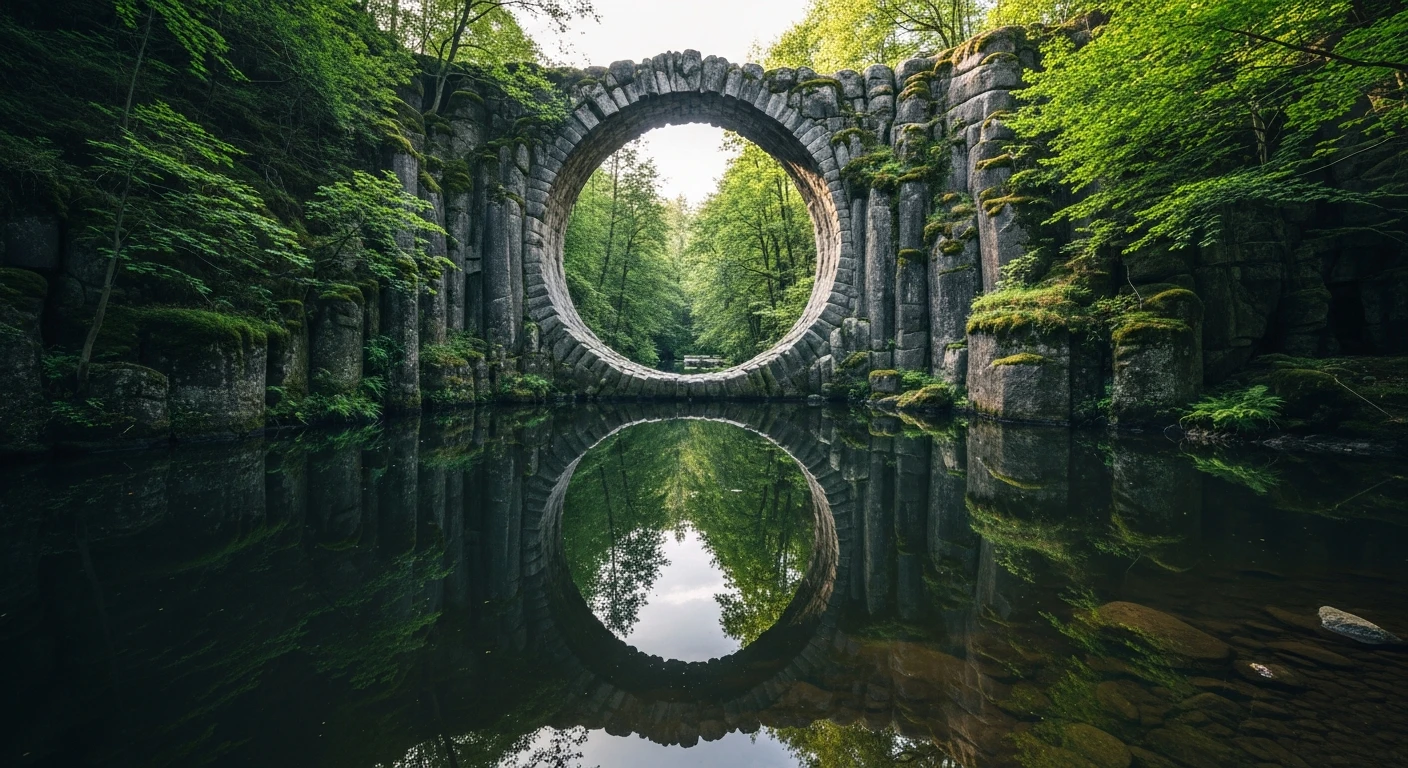
Devil's Bridge is one of the most captivating natural landmarks in Antigua and Barbuda. This natural limestone arch is located on the eastern coast of Antigua, near the village of Willikies. The bridge was formed over thousands of years by the relentless pounding of Atlantic waves against the limestone rocks, creating a dramatic and awe-inspiring natural structure.
Historically, Devil's Bridge holds significant cultural and historical importance. It is believed that during the era of slavery, enslaved Africans would leap from the bridge into the tumultuous waters below, choosing death over a life of bondage. This tragic history imbues the site with a somber yet powerful aura, making it a place of reflection and remembrance.
Geographically, Devil's Bridge is part of the Devil's Bridge National Park, a protected area that offers stunning views of the rugged coastline and the Atlantic Ocean. The vibe here is one of raw natural beauty, with the sound of crashing waves and the sight of seabirds soaring overhead. Visitors often describe the experience as both humbling and exhilarating, a testament to the power of nature and the resilience of those who once sought solace in its embrace.
When visiting Devil's Bridge, you'll find a range of accommodation options to suit every budget. For those seeking luxury, consider staying at the nearby Nonsuch Bay Resort, which offers elegant rooms and private villas with breathtaking views of the ocean.
For budget-conscious travelers, the nearby village of Willikies offers charming guesthouses and bed-and-breakfasts that provide a more intimate and affordable experience. Staying in this area not only provides easy access to Devil's Bridge but also allows you to immerse yourself in the local culture and community.
Alternatively, you can opt to stay in the capital city of St. John's, which is about a 40-minute drive from Devil's Bridge. Here, you'll find a wider range of accommodations, from luxurious resorts to budget-friendly hostels, ensuring you have a comfortable base from which to explore Antigua and Barbuda.
Navigating Antigua and Barbuda like a local is a rewarding experience. The most common mode of transportation is by car, and renting a vehicle is highly recommended for the flexibility it offers. Roads are generally in good condition, though some rural areas may require a bit more caution.
Alternatively, you can use the local bus service, which is affordable and connects major towns and attractions. Buses are often mini-vans that operate without strict schedules, so a bit of patience and flexibility is required.
For a more personalized experience, consider hiring a taxi or a local tour guide. This not only provides convenience but also offers the opportunity to learn more about the island's history and culture from a knowledgeable local.
While Devil's Bridge is a must-visit, there are several other hidden gems in the vicinity that are worth exploring. Just a short drive away is the serene Half Moon Bay, a crescent-shaped beach renowned for its pink-hued sands and clear waters. It's an ideal spot for swimming, snorkeling, or simply unwinding.
Nearby, you'll find the historic Betty's Hope Plantation, Antigua's first large sugar plantation. This site offers a glimpse into the island's colonial past, with restored structures and informative displays.
For nature enthusiasts, a visit to the Indian Town National Park is a must. This park encompasses Devil's Bridge and offers various trails that meander through unique flora and fauna, providing opportunities for birdwatching and photography.
Antigua and Barbuda enjoys a tropical climate, making it a year-round destination. However, the best time to visit is between December and April, during the dry season. During these months, you can expect warm, sunny days with minimal rainfall, perfect for exploring Devil's Bridge and other outdoor activities.
The off-peak season, from May to November, sees higher humidity and the possibility of rain, but it also offers the advantage of fewer tourists and lower accommodation rates. If you don't mind the occasional shower, this can be a great time to experience the island's natural beauty in a more tranquil setting.
The weather in Antigua and Barbuda is generally warm and pleasant throughout the year. January to March are the coolest months, with temperatures ranging from 23°C to 28°C (73°F to 82°F). These months are perfect for outdoor activities and exploring the island's attractions.
April to June sees a slight increase in temperature, with averages between 25°C and 30°C (77°F to 86°F). This period offers warm and sunny days, ideal for beach outings and water sports.
July to October is the wet season, with higher humidity and occasional rainfall. However, temperatures remain warm, ranging from 26°C to 31°C (79°F to 88°F), ensuring pleasant conditions for those who don't mind a bit of rain.
Antigua and Barbuda is a vibrant cultural mosaic, with influences from African, British, and indigenous Caribbean traditions. The people are known for their warmth and hospitality, welcoming visitors with open arms and a friendly smile.
Festivals play a significant role in the cultural life of Antigua and Barbuda. The most famous is the Antigua Carnival, held annually in late July to early August. This colorful celebration features lively parades, calypso music, and vibrant costumes, showcasing the island's rich cultural heritage.
When visiting, it's important to respect local customs and etiquette. Dress modestly when visiting religious sites, and always greet locals with a friendly "good morning" or "good afternoon." The island's laid-back vibe encourages a relaxed and respectful approach to interactions.
Antigua and Barbuda's culinary scene is a delightful blend of flavors and influences. A must-try dish is the national dish, "fungie and pepperpot," a hearty stew made with cornmeal and a variety of meats and vegetables. This dish reflects the island's African heritage and is a staple at local gatherings.
Seafood lovers will relish the fresh catch of the day, with options like grilled lobster, conch fritters, and red snapper. These dishes are often seasoned with local herbs and spices, offering a taste of the Caribbean's vibrant flavors.
Don't miss out on trying "ducana," a sweet potato dumpling often served with saltfish. This dish is a testament to the island's innovative use of local ingredients and is a favorite among locals and visitors alike.
In addition to Devil's Bridge, Antigua and Barbuda boasts a wealth of attractions that cater to diverse interests. One of the top landmarks is Nelson's Dockyard, a UNESCO World Heritage Site. This historic naval dockyard offers a fascinating glimpse into the island's colonial past, with restored buildings and interactive exhibits.
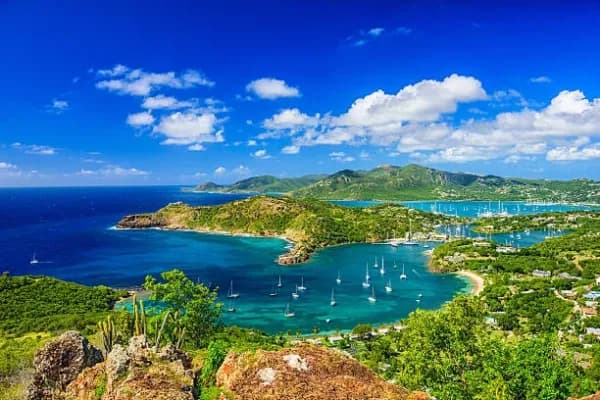
Another must-visit is Shirley Heights, a vantage point offering panoramic views of English Harbour. It's a popular spot for sunset views, and the weekly Sunday barbecue and live music events are a highlight for both locals and tourists.
For nature enthusiasts, the Antigua Rainforest Canopy Tour offers an exhilarating zip-lining experience through the lush rainforest. This adventure provides a unique perspective on the island's diverse flora and fauna.
History buffs will appreciate a visit to Fort James, a 17th-century fortress that played a crucial role in the island's defense. The fort's cannons and strategic location offer insight into Antigua's military history.
Finally, the Museum of Antigua and Barbuda in St. John's provides a comprehensive overview of the island's history, culture, and natural environment. It's an excellent starting point for understanding the rich tapestry that makes up Antigua and Barbuda.
Nearby places worth adding to your itinerary.