Bafoussam
Explore stays
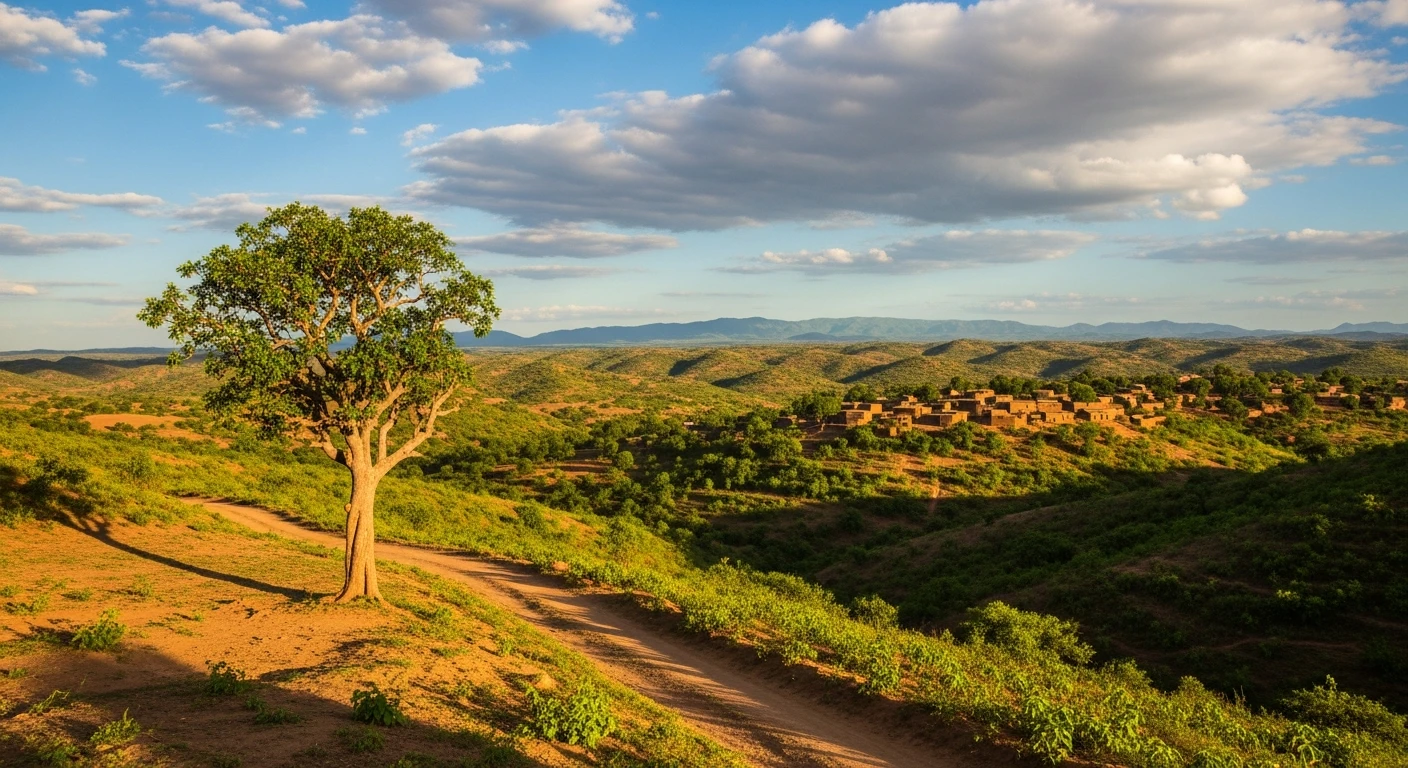
Diamaré, a captivating region in the Far North of Cameroon, is steeped in a rich tapestry of history and culture. Nestled in the Sahelian zone, it is known for its rugged landscapes and vibrant communities. Historically, Diamaré was a key part of the kingdom of Kotoko, an ancient civilization with roots tracing back to the 9th century. The Kotoko people, known for their intricate bronze works, left a legacy that still influences the region today.
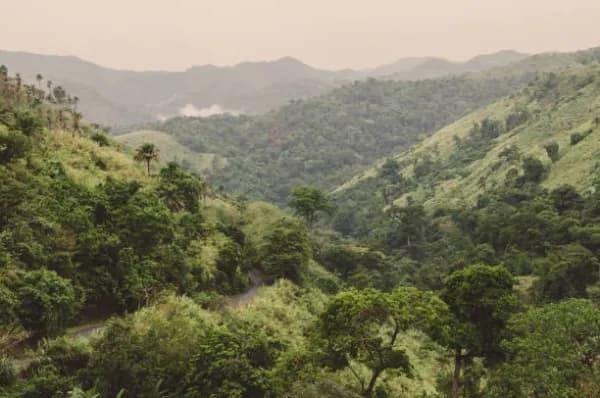
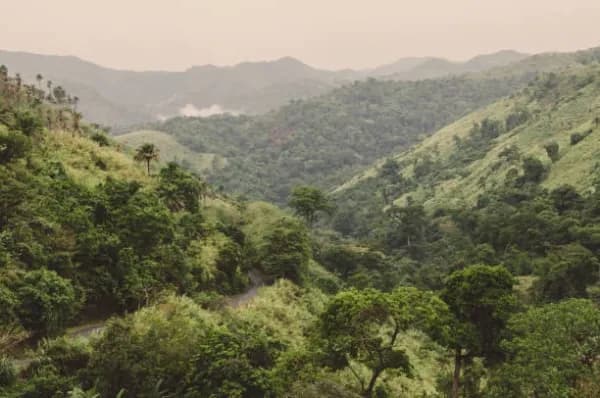
Geographically, Diamaré is characterized by its semi-arid climate, with vast expanses of savannah and occasional rocky outcrops. The Logone River meanders through the region, providing a lifeline for both agriculture and daily life. The vibe in Diamaré is a blend of traditional and modern, where ancient customs coexist with contemporary influences. The people are known for their warmth and hospitality, making it a welcoming destination for travelers.
The bustling markets, traditional music, and dance performances offer a glimpse into the vibrant life of the region. Visitors can expect a sensory feast, with the sounds of local dialects, the aromas of street food, and the colorful attire of the residents creating an unforgettable atmosphere.
When it comes to accommodation, Diamaré offers a range of options to suit different budgets and preferences. For those seeking luxury, the city of Maroua, the capital of the Far North Region, provides several upscale hotels with modern amenities. These establishments often feature lush gardens, swimming pools, and gourmet restaurants, offering a tranquil oasis amidst the bustling city.
Budget travelers will find a variety of guesthouses and hostels that provide comfortable and affordable lodging. These places often offer a more authentic experience, allowing guests to connect with locals and gain insights into daily life in Cameroon. Areas such as Pitoaré and Djarengol are popular among backpackers and those seeking a more intimate, community-focused stay.
Navigating Diamaré is an adventure in itself, with several transportation options available. The most common mode of transport is the 'moto-taxi,' a motorcycle taxi that weaves through the streets with agility. This is an affordable and efficient way to explore the area, especially for short distances.
For longer journeys, minibuses and shared taxis are the preferred choices. These are often crowded but provide an authentic experience of traveling like a local. It's advisable to negotiate fares beforehand, as prices can vary. For those who prefer a more private mode of transport, car rentals are available in Maroua, offering the freedom to explore at your own pace.
Diamaré is surrounded by hidden gems that are perfect for day trips and excursions. One such gem is the Waza National Park, located to the north of Maroua. This park is one of Cameroon's most renowned wildlife reserves, home to elephants, giraffes, and a variety of bird species. It's a paradise for nature enthusiasts and offers guided safaris for an immersive experience.
Another notable excursion is a visit to the Mandara Mountains, where visitors can explore traditional villages and interact with the local communities. The mountains offer breathtaking views and are ideal for hiking and photography. The Kapsiki Peak, with its unique rock formations, is a highlight and provides a stunning backdrop for adventure seekers.
The best time to visit Diamaré is during the dry season, which runs from November to March. During this period, the weather is cooler and more pleasant, making it ideal for outdoor activities and exploration. The dry season also coincides with several cultural festivals, providing an opportunity to experience the vibrant traditions of Cameroon.
The wet season, from April to October, sees heavier rainfall and can make travel more challenging due to muddy roads. However, this period also brings lush greenery and a different kind of beauty to the landscape, which some travelers may find appealing.
Diamaré's climate is characterized by two main seasons: the dry and wet seasons. In January, temperatures are mild, averaging around 25°C (77°F), and the weather remains dry. February and March see temperatures rise, often reaching 35°C (95°F), before the onset of the rainy season in April.
The rains peak in August, with temperatures slightly cooler, averaging around 28°C (82°F). By October, the rains subside, and the dry season begins again, bringing clear skies and cooler temperatures.
The culture of Diamaré is a vibrant mosaic of ethnic groups, including the Fulani, Kotoko, and Mandara people. Each group has its unique traditions, languages, and customs, contributing to the region's rich cultural diversity. Festivals play a significant role in the social fabric, with events such as the Maroua Festival celebrating local music, dance, and crafts.
Etiquette is important in Cameroonian culture, with a strong emphasis on respect and hospitality. Visitors are often greeted warmly, and it's customary to greet people with a handshake or a nod. When visiting local homes or villages, it's polite to accept any food or drink offered as a sign of respect.
The culinary scene in Diamaré is a delightful exploration of flavors and traditions. Must-eat dishes include 'Ndolé,' a savory stew made from bitter leaves, peanuts, and meat or fish, showcasing the culinary heritage of Cameroon. Another popular dish is 'Poulet DG,' a flavorful chicken and plantain dish that is both hearty and satisfying.
Street food is also a highlight, with vendors offering grilled meats, fresh fruits, and 'beignets' (fried dough balls) that are perfect for a quick snack. The use of local spices and ingredients adds a unique twist to the dishes, making dining in Diamaré an unforgettable experience.
Diamaré boasts several attractions that offer a deep dive into the region's history and natural beauty. The Maroua Market is a must-visit, renowned for its vibrant atmosphere and diverse offerings. Here, visitors can find everything from traditional crafts to fresh produce, providing a glimpse into daily life in Cameroon.
The Museum of Maroua is another highlight, housing a collection of artifacts that narrate the history of the region. From traditional masks to ancient tools, the museum offers insights into the cultural evolution of Diamaré.
For those interested in architecture, the Grand Mosque of Maroua stands as a testament to the region's Islamic heritage. Its intricate designs and towering minarets make it a striking landmark.
Nature lovers will enjoy the Kola Gorge, a stunning natural formation that offers hiking trails and breathtaking views. The gorge is a haven for birdwatchers and photographers, with its diverse flora and fauna.
Lastly, the Lake Maga is a serene spot for relaxation and birdwatching. The lake's tranquil waters and surrounding wetlands attract a variety of bird species, making it a popular destination for nature enthusiasts.
Nearby places worth adding to your itinerary.
Top stays in Diamaré picked for comfort, value, and great guest reviews.