
Adamas
Explore stays
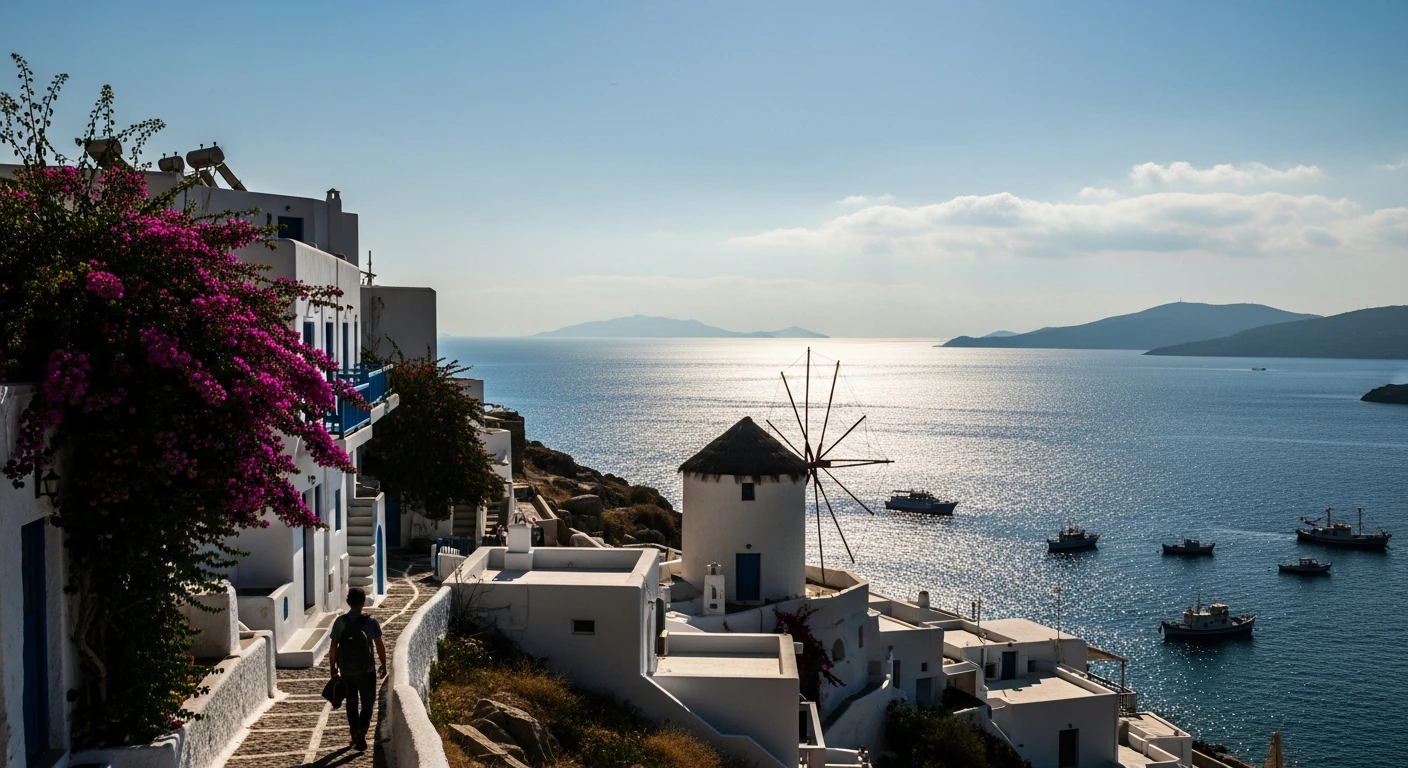
The Dodecanese is a captivating archipelago in the South Aegean Sea, consisting of 12 major islands and numerous smaller ones. Its name, derived from the Greek words 'dodeka' (twelve) and 'nesoi' (islands), hints at its rich tapestry of history and culture. These islands have been a crossroads of civilizations for millennia, from the ancient Greeks and Romans to the Byzantines, Ottomans, and Italians. Each era left a distinct mark, creating a unique blend of architectural styles and cultural influences.
Geographically, the Dodecanese islands are scattered across the southeastern Aegean, close to the Turkish coast. The largest and most famous island is Rhodes, known for its medieval Old Town, a UNESCO World Heritage Site. Other notable islands include Kos, with its ancient ruins and vibrant nightlife, and Patmos, revered as the site where Saint John wrote the Book of Revelation.
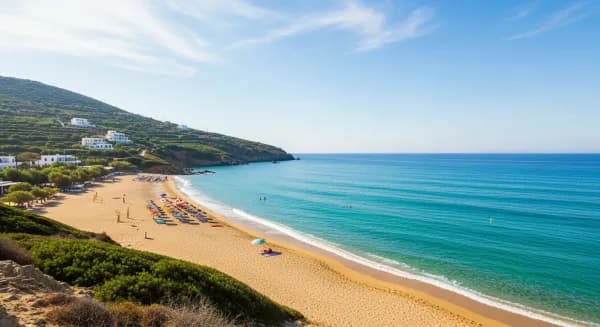
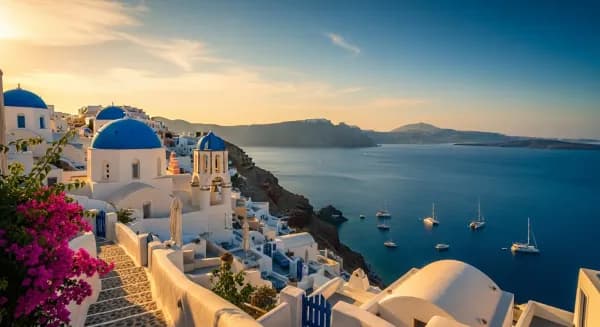
The vibe in the Dodecanese is a harmonious blend of traditional Greek charm and cosmopolitan flair. Visitors can expect a warm Mediterranean climate, azure waters, and welcoming locals. The islands offer a mix of bustling towns, serene beaches, and rustic villages, providing a versatile experience for every traveler.
The Dodecanese offers a wide range of accommodation options, catering to both luxury seekers and budget-conscious travelers. In Rhodes, the area around the Old Town provides a plethora of luxury hotels and boutique stays, often housed in historic buildings that offer a glimpse into the island's storied past.
For budget travelers, the island of Kos offers numerous hostels and affordable guesthouses, particularly in the lively town of Kardamena. This area is popular among younger travelers and offers easy access to the island's nightlife.
On the quieter island of Patmos, visitors can find charming family-run guesthouses in the village of Chora, where traditional Greek hospitality meets serene landscapes. Each island in the South Aegean has its unique charm, ensuring that every traveler can find the perfect place to rest.
Navigating the Dodecanese like a local involves a mix of ferries, buses, and scooters. Ferries are the lifeline of the islands, connecting them with each other and with mainland Greece. The frequency and duration of ferry trips vary, so it's advisable to check schedules in advance.
On larger islands like Rhodes and Kos, public buses are a reliable and affordable way to explore. They connect major towns and tourist sites, offering a glimpse into daily life in the South Aegean. For more remote areas, renting a scooter or car provides flexibility and the chance to discover hidden gems at your own pace.
The Dodecanese is brimming with hidden gems waiting to be explored. A must-visit is the island of Symi, renowned for its neoclassical architecture and vibrant harbor. It's a short ferry ride from Rhodes and offers breathtaking views and charming tavernas.
Another gem is the island of Nisyros, famous for its active volcano. Visitors can walk through the lunar landscape of the Stefanos crater and explore the quaint village of Mandraki with its whitewashed houses and narrow alleys.
For a spiritual retreat, head to the island of Patmos. The Monastery of Saint John the Theologian and the Cave of the Apocalypse are significant religious sites, offering a tranquil escape and a deep dive into the island's spiritual heritage.
The best time to visit the Dodecanese is during the shoulder seasons of spring (April to June) and autumn (September to October). During these months, the weather is pleasantly warm, and the islands are less crowded, allowing for a more intimate experience.
Summer (July to August) is the peak tourist season, with hot temperatures and bustling beaches. However, it's also the time when the South Aegean comes alive with festivals and events.
Winter (November to March) sees a drop in tourist numbers, with cooler temperatures and occasional rain. While some attractions may close, it's a peaceful time to explore the islands without the crowds.
The Dodecanese enjoys a Mediterranean climate, characterized by hot, dry summers and mild, wet winters. In January, temperatures average around 12°C (54°F), making it one of the mildest months.
By April, spring arrives with temperatures rising to 18°C (64°F), and the islands start to bloom with wildflowers. July and August are the hottest months, with temperatures often reaching 30°C (86°F).
In October, the weather begins to cool, with temperatures averaging 20°C (68°F), making it an ideal time for outdoor activities and exploration of the South Aegean's natural beauty.
The cultural tapestry of the Dodecanese is as diverse as its history. The islands host a variety of festivals throughout the year, celebrating everything from religious events to local traditions. One of the most significant is the Carnival in Rhodes, a vibrant event filled with parades, music, and dance.
The people of the Dodecanese are known for their hospitality and warmth. Visitors are often welcomed with open arms and treated to local delicacies. It's customary to greet with a friendly 'Kalimera' (Good morning) and to show respect when visiting religious sites.
Etiquette in the South Aegean is relaxed, but it's important to dress modestly when entering churches and monasteries. Participating in local customs and traditions offers a deeper understanding of the islands' rich cultural heritage.
The culinary scene in the Dodecanese is a delightful journey through Greek flavors, with influences from the Middle East and Italy. Must-eat dishes include 'Pitaroudia', a type of chickpea fritter from Rhodes, and 'Makarounes', handmade pasta from the island of Karpathos.
Seafood is a staple in the South Aegean, with fresh catches served in traditional tavernas along the coast. 'Gouna', sun-dried mackerel, is a local specialty that should not be missed.
For dessert, try 'Melekouni', a honey and sesame seed bar from Rhodes, often served at weddings and celebrations as a symbol of happiness and prosperity.
The Dodecanese is home to numerous landmarks that offer a glimpse into its storied past. The Palace of the Grand Master in Rhodes is a medieval fortress that stands as a testament to the island's history as a stronghold of the Knights of Saint John.
On the island of Kos, the Asklepion is an ancient healing center dedicated to the god Asclepius. It offers insight into the medical practices of the ancient Greeks and provides stunning views of the surrounding landscape.
The Monastery of Saint John on Patmos is a significant religious site, perched high above the island. Its library houses rare manuscripts, and the views from its walls are breathtaking.
The Acropolis of Lindos, also on Rhodes, is a remarkable archaeological site with ruins dating back to the 4th century BC. The panoramic views of the Aegean Sea from the top are unparalleled.
Lastly, the Valley of the Butterflies in Rhodes is a natural wonder where thousands of butterflies congregate each summer, creating a mesmerizing spectacle.
Nearby places worth adding to your itinerary.
Top stays in Dodecanese picked for comfort, value, and great guest reviews.