Anda Bohol
Explore stays
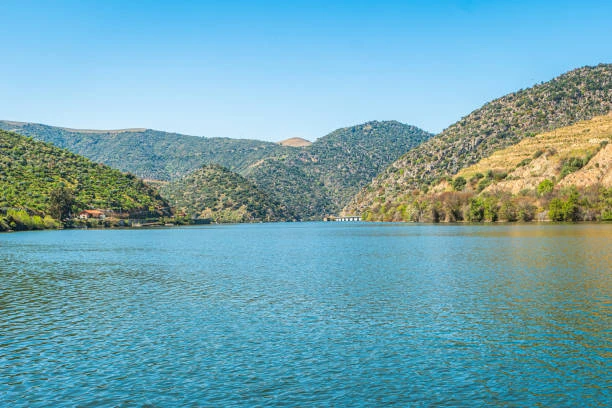
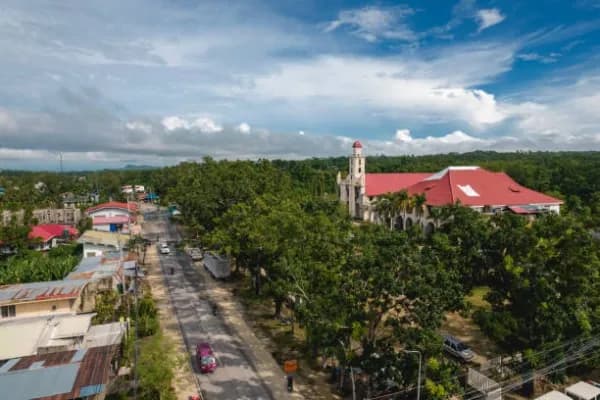
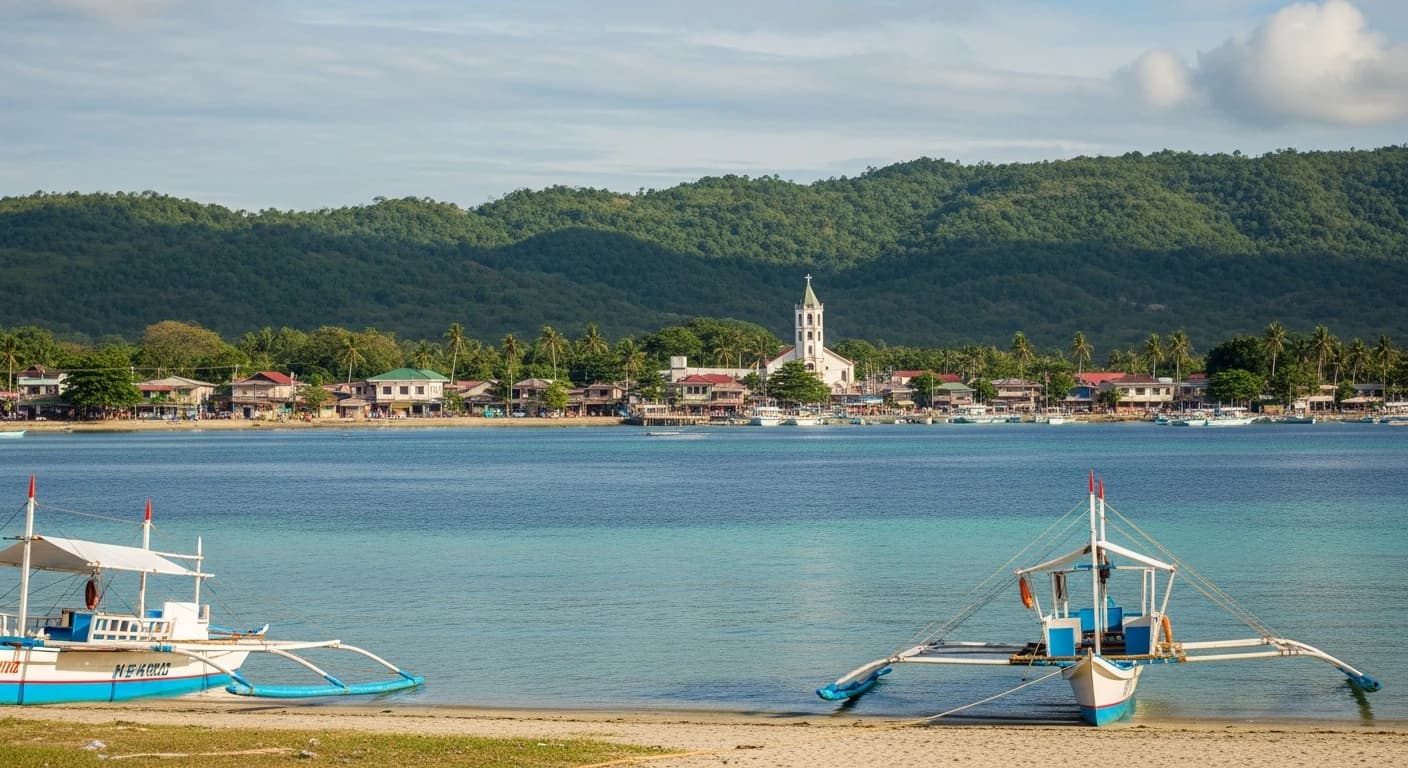
Duero is a charming municipality located in the province of Bohol, Philippines. Nestled on the eastern coast of the island, it boasts a rich history that dates back to the Spanish colonial era, reflecting a blend of indigenous and colonial influences. Originally founded in 1861, Duero was named after the Duero River in Portugal, symbolizing the connection between the old world and the new. The town is characterized by its lush landscapes, rolling hills, and serene coastlines, making it a picturesque destination.
The geography of Duero includes beautiful beaches, rice fields, and hills that provide stunning views of the surrounding areas. The local vibe is relaxed and friendly, with a strong sense of community among the residents. Visitors often find themselves welcomed with open arms, as the locals take pride in their town's heritage and natural beauty. The town is not as commercialized as other tourist spots in Bohol, which allows for a more authentic experience, away from the bustling crowds.
Duero’s economy is primarily based on agriculture and fishing, but it is increasingly becoming a hub for eco-tourism. The local government is focused on preserving the environment while promoting sustainable tourism, allowing visitors to enjoy the natural wonders of Bohol responsibly. The historical sites, such as old churches and ancestral homes, tell tales of the past, while the vibrant natural scenery invites exploration. Duero embodies the essence of Bohol, where tradition meets natural beauty, making it an ideal getaway for travelers seeking tranquility and cultural immersion.
When it comes to accommodations in Duero, visitors have a variety of options tailored to different budgets. For those seeking luxury, there are several upscale resorts that offer stunning ocean views, private beaches, and top-notch amenities. These resorts often feature infinity pools, spas, and gourmet restaurants, providing a perfect respite after a day of exploration. Notable luxury accommodations include the Amarela Resort and the Bohol Beach Club, both offering a taste of opulence amidst Bohol’s natural beauty.
For budget travelers, there are plenty of guesthouses and homestays that provide a cozy stay without breaking the bank. Places like Casa Rey Francis and various local inns offer comfortable rooms with essential amenities, often run by friendly locals who can provide insights into the area. Staying in these budget options not only saves money but also enriches the travel experience through personal interactions and local recommendations. Overall, whether you’re looking for a lavish escape or a budget-friendly option, Duero has something to cater to every traveler's needs.
Getting around Duero is relatively easy, and visitors can navigate like locals by using various modes of transportation. The most common way to travel is via tricycle, a popular and affordable mode of transport in Bohol. These small, motorized vehicles can be found throughout the town and are perfect for short distances. For a more authentic experience, tourists can rent a motorbike, which allows for greater flexibility to explore the scenic coastal roads and rural landscapes at their own pace.
Additionally, jeepneys, the iconic Filipino public transport vehicles, are available for longer trips between municipalities. Although they can be crowded, they offer a glimpse into everyday life for the locals. For those who prefer a more relaxed journey, hiring a private van or car with a driver is also an option, especially for excursions to nearby attractions. Navigating Duero is not just about getting from point A to B; it’s about enjoying the beautiful surroundings and experiencing the local culture along the way.
While Duero itself has much to offer, its proximity to hidden gems makes it an excellent base for excursions. One such destination is the nearby town of Anda, known for its stunning white-sand beaches and crystal-clear waters. Travelers can spend a day relaxing at the beach or snorkeling in its vibrant marine sanctuaries.
Another must-visit location is the Bilar Man-Made Forest, which is just a short drive away. This enchanting stretch of towering mahogany trees creates a surreal atmosphere perfect for photography and leisurely walks. Additionally, the Loboc River, famous for its scenic river cruises, is another nearby attraction that shouldn’t be missed. Visitors can enjoy a leisurely boat ride while indulging in local delicacies.
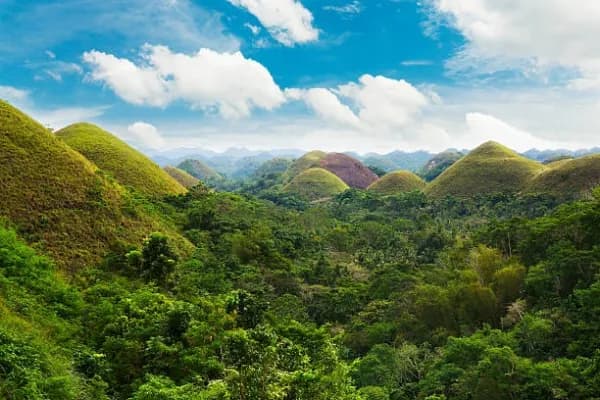
Lastly, the Chocolate Hills, a UNESCO World Heritage site, are a few hours away from Duero. This iconic landscape, characterized by its unique conical hills, provides a breathtaking view that leaves visitors in awe. Each of these excursions enhances the overall travel experience, offering a deeper understanding of Bohol’s natural wonders and cultural richness.
The best time to visit Duero, Bohol, is during the dry season, which typically runs from December to May. This period is characterized by sunny days and minimal rainfall, making it ideal for outdoor activities such as beach outings and sightseeing. The months of January to March are particularly pleasant, with cooler temperatures and clear skies.
Conversely, the rainy season occurs from June to November, bringing heavy monsoon rains and occasional typhoons. While the landscape may be lush and vibrant during this time, outdoor activities can be limited. However, visiting during the off-peak months can also provide a quieter experience, with fewer tourists and lower accommodation rates. Ultimately, the timing of your visit can greatly influence your experience in Duero, allowing travelers to tailor their trips according to their preferences.
The weather in Duero varies throughout the year, providing different experiences for visitors depending on the month. From January to March, the climate is generally cool and dry, with average temperatures ranging from 24°C to 30°C (75°F to 86°F). This is considered peak season, as many tourists flock to enjoy the pleasant weather.
April and May see a gradual increase in temperature, often reaching up to 33°C (91°F), and the humidity starts to rise. This can be a good time for beach lovers, as the summer heat is ideal for swimming and sunbathing.
From June to October, the rainy season begins, with July and August experiencing the most rainfall. Temperatures remain warm, but heavy showers can disrupt outdoor plans. November marks the transition back to the dry season, with milder temperatures and occasional rain, making it a good time for travelers seeking fewer crowds.
The culture of Duero is deeply rooted in its history, with a vibrant blend of Spanish influence and local traditions. Festivals play a significant role in the community, with events such as the annual “Pintados Festival,” celebrated in May. This festival features colorful street dancing, showcasing the town's rich heritage through music, dance, and traditional costumes, attracting both locals and tourists alike.
The people of Duero are known for their warmth and hospitality, often eager to share stories and traditions with visitors. Engaging with locals can offer invaluable insights into the town's customs and way of life. Additionally, etiquette in Duero is important; respectful greetings, such as saying “Magandang araw” (Good day), go a long way in connecting with the residents.
Overall, the culture in Duero is a tapestry of traditions, stories, and community spirit, making it a unique destination for travelers seeking a deeper understanding of Bohol's heritage.
The culinary scene in Duero is a reflection of Bohol's rich agricultural produce and coastal offerings. Seafood is abundant, and dishes such as “Kinilaw,” a Filipino ceviche made from fresh fish marinated in vinegar and citrus, are must-tries for visitors. Local restaurants often serve this dish with a twist, incorporating unique ingredients and flavors that highlight the region's bounty.
Another iconic dish is “Boholano Lechon,” a roasted pig known for its crispy skin and flavorful meat. This dish is often featured during celebrations and gatherings, making it a staple in local cuisine. Street food is also an integral part of the culinary experience, with vendors offering snacks like “suman” (sticky rice) and “kakanin” (rice cakes) that reflect traditional cooking techniques.
Food in Duero is not just about sustenance; it tells a story of culture, history, and community, inviting travelers to savor the flavors of Bohol.
Duero may be a small town, but it offers several attractions that highlight the beauty and history of Bohol. Here are the top five landmarks to explore:
Built in the 19th century, this historical church is a testament to Spanish colonial architecture. Its intricate details and serene ambiance make it a must-visit for history buffs and those seeking a moment of reflection.
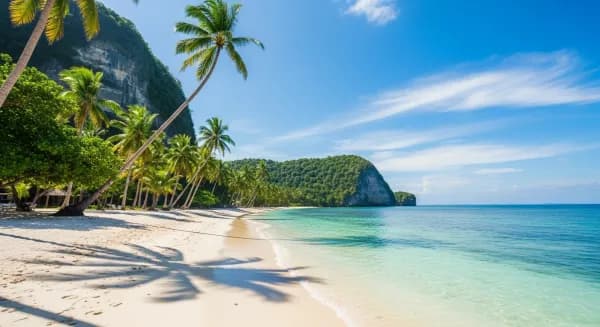
This pristine stretch of coastline is perfect for sunbathing, swimming, and enjoying breathtaking sunsets. The beach is less crowded than other tourist spots, offering a peaceful atmosphere to unwind and connect with nature.
A hidden gem located just outside Duero, this natural pool within a limestone cave is a stunning spot for swimming and photography. The crystal-clear waters and unique geological formations provide a refreshing escape from the heat.
This eco-friendly farm offers educational tours focusing on organic farming and beekeeping. Visitors can enjoy delicious organic meals made from fresh ingredients while learning about sustainability and the importance of bees in the ecosystem.
Although a bit of a drive from Duero, a visit to the Loboc River is worth it. Known for its scenic river cruises, this destination allows visitors to experience the lush surroundings while enjoying traditional Filipino music and food served on board.
Each of these attractions enhances the travel experience in Duero, allowing visitors to appreciate the natural beauty and cultural richness of Bohol.
Nearby places worth adding to your itinerary.
Top stays in Duero picked for comfort, value, and great guest reviews.