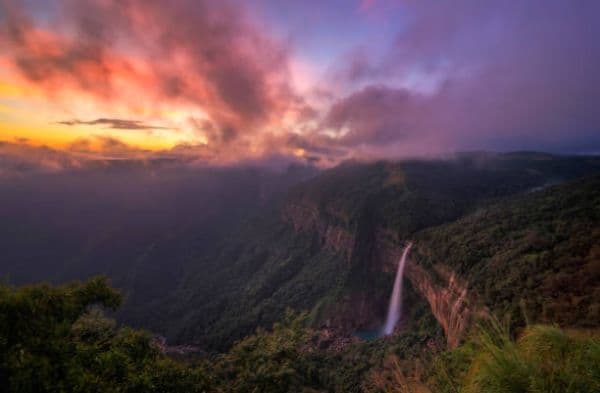
Cherrapunji
Explore stays
East Garo Hills, a captivating district in the state of Meghalaya, India, offers a rich tapestry of history and natural beauty. The district's history is deeply intertwined with the Garo people, one of the major indigenous tribes of Meghalaya. The Garos, known for their vibrant culture and traditions, have inhabited this region for centuries. Historically, the area was part of the larger Garo Hills district before being carved out in 1976 to form its own administrative identity.
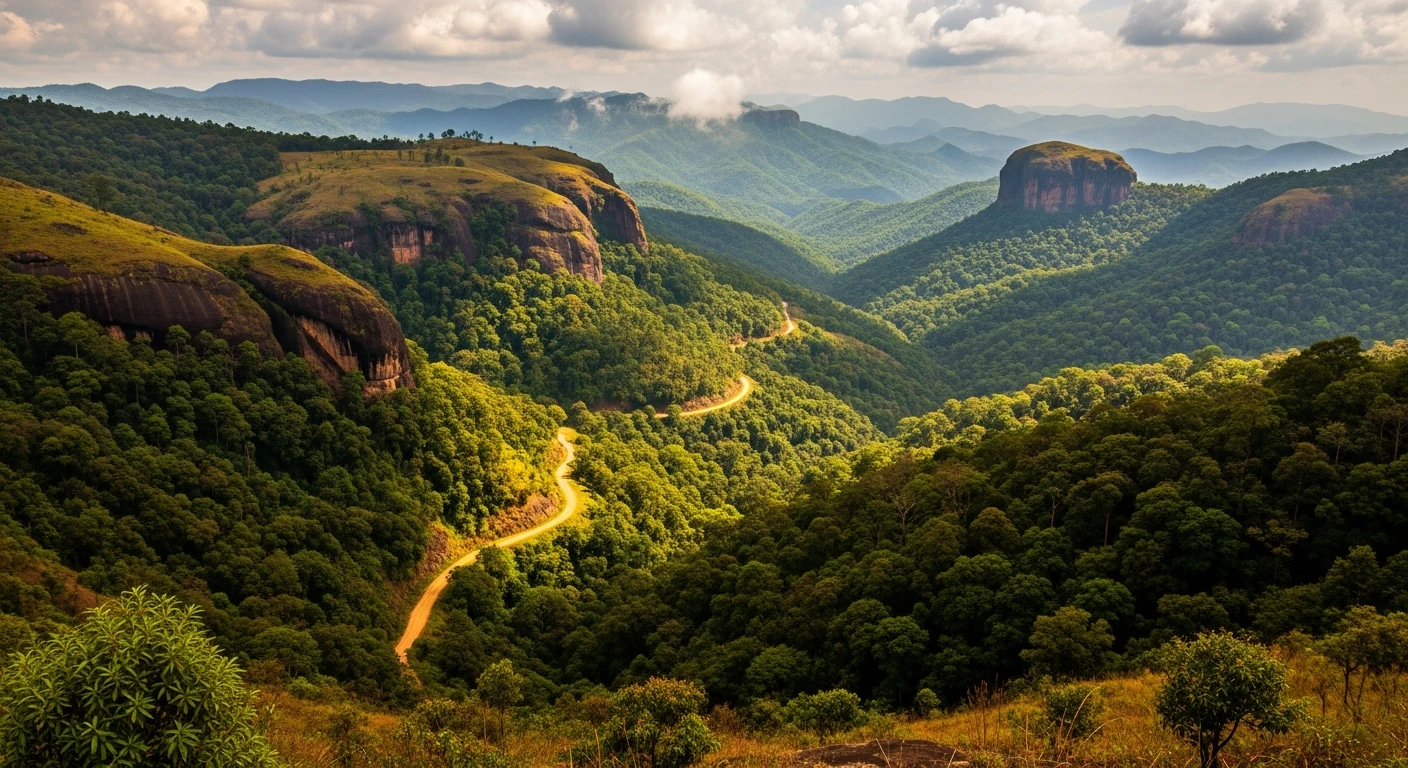
Geographically, East Garo Hills is characterized by its lush green hills, dense forests, and winding rivers. The district is part of the Garo-Khasi range, which contributes to its undulating terrain. The Simsang River, often referred to as the lifeline of the Garo Hills, flows majestically through the district, providing a serene backdrop to the region's natural beauty.
The vibe of East Garo Hills is one of tranquility and authenticity. Unlike the bustling cities, this region offers a slower pace of life, allowing visitors to immerse themselves in the serene environment and cultural richness. The local communities are known for their warmth and hospitality, making it a welcoming destination for travelers seeking an off-the-beaten-path experience in Meghalaya.
When it comes to accommodation in East Garo Hills, there are options to suit every traveler's budget and preference. For those seeking luxury, the district offers a few upscale resorts and hotels that provide modern amenities while allowing guests to enjoy the natural surroundings. These establishments often feature traditional Garo architectural elements, providing an authentic touch to the stay.
Budget travelers will find a variety of guesthouses and homestays that offer comfortable and affordable lodging. Staying with a local family in a homestay can provide a deeper insight into the Garo way of life, as hosts often share stories and local customs with their guests. Areas like Williamnagar, the district headquarters, are popular choices due to their accessibility and range of accommodations.
Navigating East Garo Hills like a local involves understanding the available transportation options. The district is primarily connected by road, with buses and shared taxis being the most common modes of transport. These services connect major towns and villages, making it relatively easy to explore the region.
For a more personalized experience, hiring a private taxi or car is recommended, especially for visiting remote areas. This allows for flexibility in travel plans and the opportunity to stop at scenic spots along the way. For the adventurous, renting a bicycle or motorcycle can be a thrilling way to explore the winding roads and picturesque landscapes of Meghalaya.
East Garo Hills serves as an excellent base for excursions to some of Meghalaya's hidden gems. One such destination is the Nokrek National Park, a UNESCO Biosphere Reserve that is home to a diverse range of flora and fauna. The park is renowned for its population of red pandas and is a haven for birdwatchers.
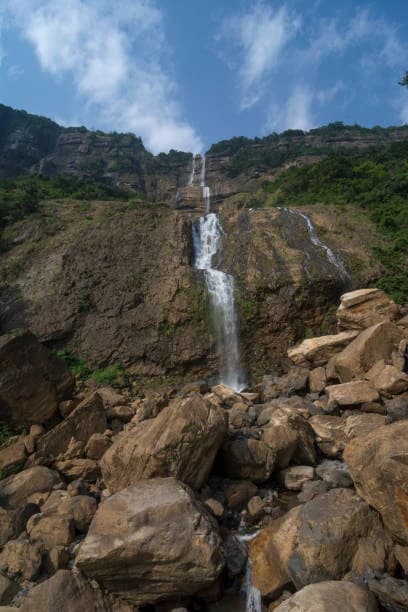
Another must-visit is the Rongbang Dare Waterfall, a stunning cascade that offers a refreshing retreat amidst nature. The surrounding forests are perfect for trekking and exploring the rich biodiversity of the region. For those interested in cultural excursions, visiting the nearby Garo villages provides an opportunity to learn about traditional practices and crafts.
The best time to visit East Garo Hills is between October and May, when the weather is pleasant and conducive to outdoor activities. During these months, the region experiences mild temperatures, making it ideal for trekking and sightseeing.
October to February is particularly popular as the post-monsoon period brings lush greenery and clear skies. March to May offers slightly warmer temperatures but remains comfortable for exploration. The monsoon season, from June to September, sees heavy rainfall, which can hinder travel plans but also enhances the natural beauty of Meghalaya's landscapes.
East Garo Hills experiences a subtropical climate, with distinct wet and dry seasons. January is the coldest month, with temperatures ranging from 10°C to 20°C, while April to June are the warmest months, with temperatures averaging between 20°C and 30°C.
July and August receive the heaviest rainfall, with the monsoon bringing lush vegetation and vibrant landscapes. September marks the transition to the drier months, with pleasant weather continuing through December. This varied climate ensures that East Garo Hills offers diverse experiences throughout the year.
The culture of East Garo Hills is a vibrant tapestry woven with traditions, festivals, and the unique way of life of the Garo people. The Garos are known for their rich oral traditions and folklore, which are often recounted during community gatherings and festivals.
One of the most celebrated festivals is Wangala, also known as the Hundred Drums Festival. This harvest festival, held in November, is a vibrant display of traditional music, dance, and rituals, celebrating the end of the agricultural year. Visitors are often welcomed to participate, providing a unique opportunity to experience the cultural richness of Meghalaya firsthand.
Etiquette in the region is deeply rooted in respect for elders and community values. Visitors are encouraged to engage with locals respectfully, and participating in cultural activities is often appreciated as a gesture of goodwill.
The culinary scene in East Garo Hills is a delightful exploration of traditional Garo cuisine. Must-eat dishes include Nakham Bitchi, a spicy and tangy soup made with dried fish, and Wak Pura, a pork dish cooked with bamboo shoots and local spices.
Rice is a staple, often accompanied by a variety of side dishes that highlight the use of fresh, local ingredients. The cuisine reflects the region's agricultural heritage and the influence of Meghalaya's diverse ecosystems. Trying the local food is an essential part of experiencing the culture and hospitality of the Garo people.
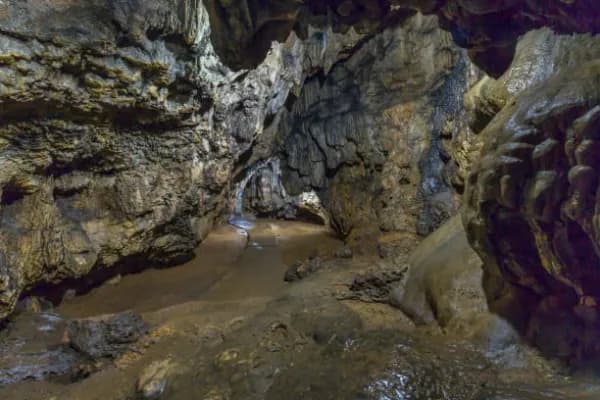
East Garo Hills boasts several attractions that showcase the natural and cultural beauty of Meghalaya. One of the top landmarks is the Siju Cave, one of the longest cave systems in India. Known for its impressive stalactites and stalagmites, the cave offers a thrilling adventure for spelunking enthusiasts.
The Simsang River, flowing through the district, is another highlight. Its serene banks are perfect for picnicking and enjoying the tranquil environment. The river also offers opportunities for boating and fishing, making it a popular spot for both locals and tourists.
Another must-visit is the Rong’bang Falls, a picturesque waterfall set amidst lush greenery. The falls are a popular spot for photography and provide a refreshing escape from the heat.
The Resubelpara, a bustling town in the district, offers a glimpse into the daily life of the Garo people. Visitors can explore local markets, sample traditional foods, and purchase handmade crafts as souvenirs.
Lastly, the Chisobibra village, known for its traditional Garo architecture and cultural significance, is a fascinating place to learn about the history and lifestyle of the indigenous people of Meghalaya. A visit here provides a deeper understanding of the region's heritage and community spirit.
Nearby places worth adding to your itinerary.