
Lomba
Explore stays
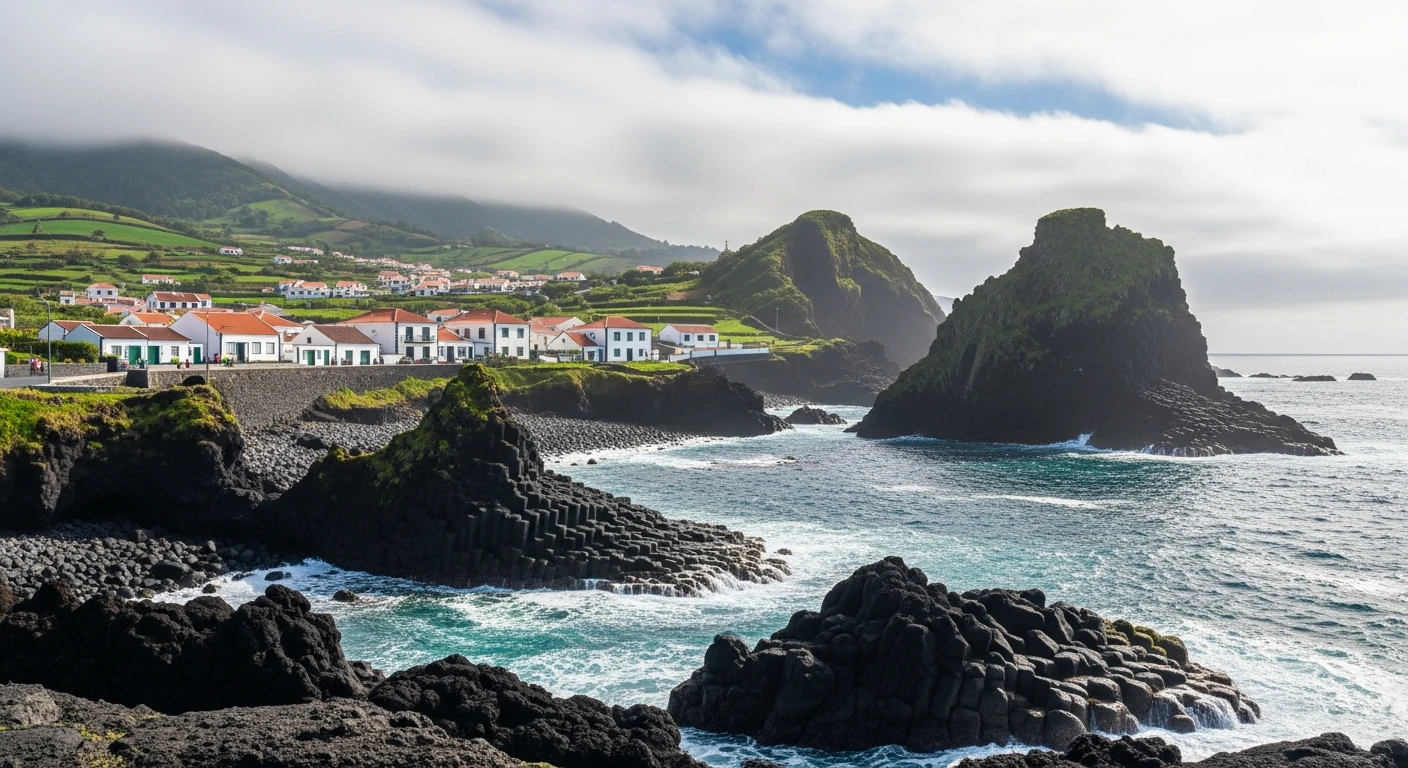
Faja Grande, nestled in the westernmost part of Lajes das Flores, Azores, is a picturesque village that offers a unique blend of natural beauty and historical charm. Known for its breathtaking landscapes, Faja Grande is often described as the edge of Europe due to its location. This quaint village sits on the island of Flores, one of the most remote and unspoiled islands of the Azores archipelago.
The history of Faja Grande is deeply intertwined with the maritime culture of the Azores. Originally a settlement for fishermen and farmers, the village has retained much of its traditional character. The local architecture, characterized by stone houses and narrow cobbled streets, tells stories of a bygone era where life was dictated by the rhythms of the sea and land.
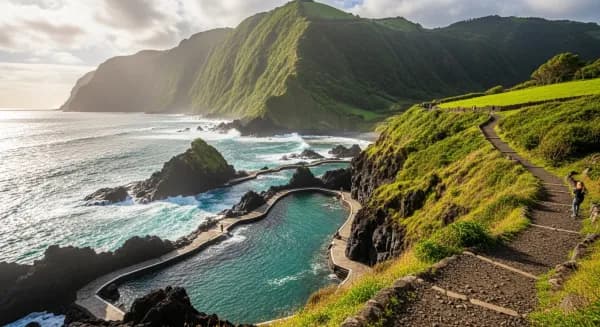
Geographically, Faja Grande is a paradise for nature lovers. It is surrounded by dramatic cliffs, lush green pastures, and cascading waterfalls, making it a haven for hikers and outdoor enthusiasts. The vibe here is tranquil and laid-back, offering a perfect escape from the hustle and bustle of modern life. Visitors are often enchanted by the warm hospitality of the locals, who are eager to share tales of their rich cultural heritage.
In Faja Grande, accommodation options range from rustic guesthouses to more luxurious stays, catering to a variety of preferences and budgets. For those seeking luxury, there are charming boutique hotels that offer stunning views of the Atlantic Ocean and the surrounding cliffs. These hotels often provide amenities such as spa services, gourmet dining, and guided tours of the area.
Budget travelers can find cozy bed and breakfasts or self-catering apartments that offer a comfortable and affordable stay. Staying in the heart of Faja Grande allows visitors to immerse themselves in the local culture, with easy access to the village's main attractions and eateries.
For a more secluded experience, consider staying in one of the traditional stone cottages on the outskirts of the village. These accommodations offer a unique opportunity to experience the serene beauty of Lajes das Flores firsthand.
Getting around Faja Grande and the wider Lajes das Flores area is best done by renting a car. This allows for flexibility and convenience when exploring the island's many hidden gems. The roads are well-maintained, and driving offers breathtaking views at every turn.
For those who prefer not to drive, local buses connect Faja Grande with other parts of Lajes das Flores, though they may not be as frequent. Taxis are also available, providing a comfortable option for short trips or airport transfers.
For a more immersive experience, consider renting a bicycle to explore the village and its surroundings. The slow pace of cycling allows for a deeper connection with the stunning landscapes and local life.
Faja Grande serves as an excellent base for exploring the natural wonders of Lajes das Flores. One must-visit spot is the Poço da Ribeira do Ferreiro, a magical location with numerous waterfalls cascading down verdant cliffs into a serene lagoon.
Another hidden gem is the Rocha dos Bordões, a geological marvel featuring towering basalt columns that resemble organ pipes. This natural wonder is a testament to the island's volcanic origins and offers breathtaking views of the surrounding landscape.
For those interested in marine life, a boat tour around the coast of Lajes das Flores provides opportunities to spot dolphins, whales, and a variety of seabirds. These excursions offer a unique perspective on the island's diverse ecosystem.
The best time to visit Faja Grande and Lajes das Flores is between May and October when the weather is warm and conducive to outdoor activities. During these months, the island is in full bloom, offering vibrant landscapes and pleasant temperatures.
Spring (April to June) is particularly beautiful, with wildflowers adorning the hillsides and fewer tourists, making it an ideal time for hiking and exploring.
Autumn (September to October) also offers a pleasant climate, with the added bonus of witnessing the island's harvest season, a time of local festivities and cultural events.
The weather in Faja Grande is mild and temperate year-round, influenced by the Atlantic Ocean. January to March is the coolest period, with temperatures averaging around 15°C (59°F). Rain is more frequent during these months, but the landscape remains lush and inviting.
From April to June, temperatures gradually rise, reaching an average of 20°C (68°F). July and August are the warmest months, with temperatures occasionally exceeding 25°C (77°F), perfect for beach outings and water activities.
September and October maintain warm temperatures, slowly transitioning into cooler weather in November and December, with temperatures averaging 17°C (63°F).
The culture of Faja Grande and Lajes das Flores is a vibrant tapestry woven from maritime traditions, religious festivals, and a strong sense of community. The islanders are known for their friendliness and hospitality, often welcoming visitors with open arms.
One of the most significant cultural events is the Festa do Emigrante, held in August, celebrating the island's emigrant community with music, dance, and traditional cuisine. This festival is a great opportunity to experience the lively spirit of Lajes das Flores.
Religious festivals, such as the Festa do Espírito Santo, are also important, featuring processions, feasts, and traditional music. Visitors are encouraged to participate and experience the deep-rooted faith and traditions of the islanders.
Faja Grande offers a delightful culinary experience, with dishes that reflect the island's maritime heritage and agricultural bounty. A must-try dish is the Caldo de Peixe, a hearty fish stew made with fresh catch from the Atlantic, seasoned with local herbs and spices.
Another local favorite is the Queijadas da Graciosa, sweet pastries filled with a creamy cheese mixture, offering a taste of the island's rich dairy tradition.
For a truly authentic experience, visit a local restaurant or market and sample the island's fresh produce, including tropical fruits, vegetables, and locally sourced meats.
Faja Grande and Lajes das Flores boast a variety of attractions that cater to nature lovers and history buffs alike. The Poço do Bacalhau is a stunning waterfall that plunges into a crystal-clear pool, surrounded by lush vegetation. It's a perfect spot for a refreshing swim and a picnic.
The Igreja de Nossa Senhora dos Remédios is a beautiful church in Faja Grande, showcasing traditional Azorean architecture and offering insight into the island's religious heritage.
Another must-visit site is the Lagoa Comprida, one of the island's many volcanic lakes. Surrounded by verdant hills, it provides a serene setting for a leisurely walk or a moment of reflection.
The Miradouro do Portal is a viewpoint offering panoramic views of the island's rugged coastline and the Atlantic Ocean. It's an ideal spot for photography enthusiasts looking to capture the island's natural beauty.
Lastly, the Museu das Flores in Lajes das Flores offers a fascinating glimpse into the island's history, culture, and natural environment. The museum's exhibits cover everything from geology to traditional crafts, providing a comprehensive overview of the island's heritage.
Nearby places worth adding to your itinerary.
Top stays in Faja Grande picked for comfort, value, and great guest reviews.