
Destination
Explore stays
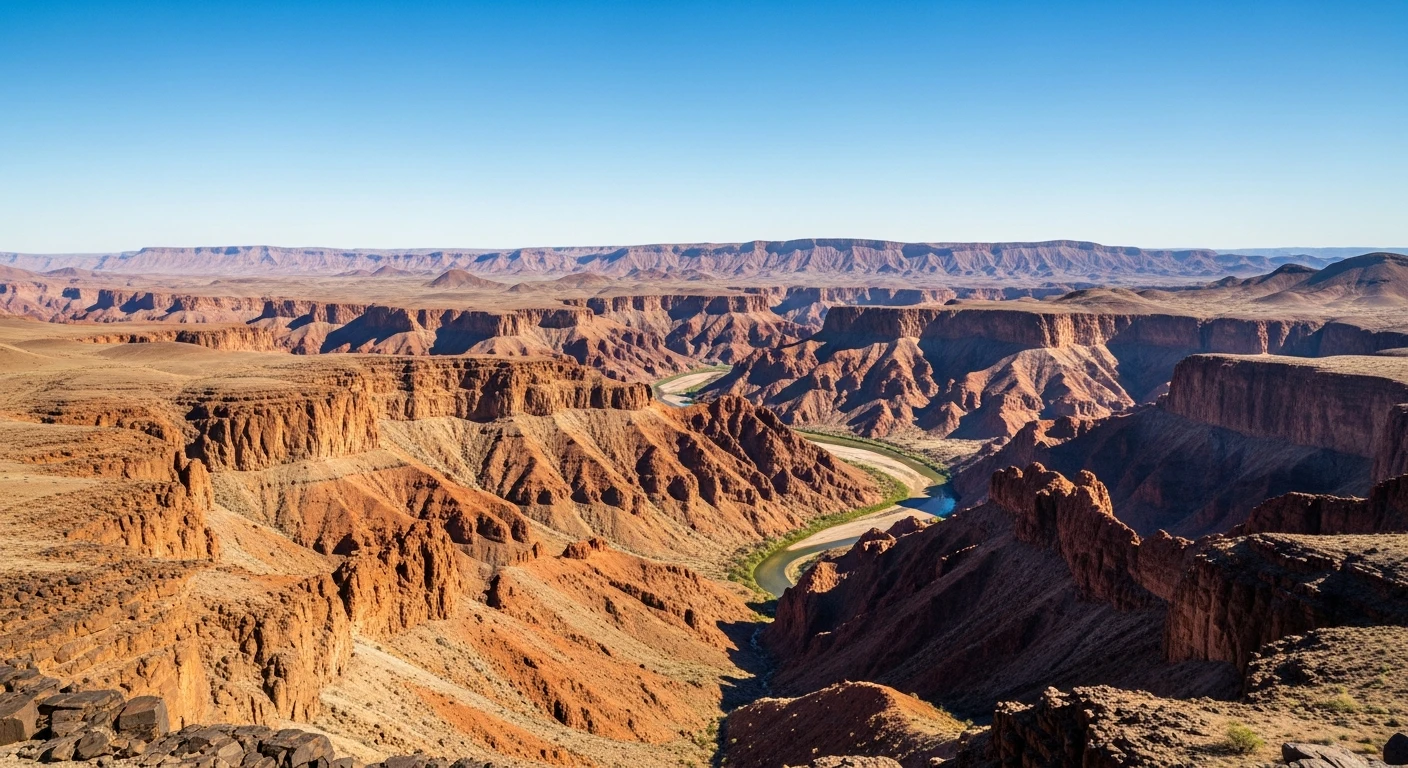
Fish River Canyon, located in the southern part of Namibia, is one of the most awe-inspiring natural wonders in Africa. This majestic canyon stretches over 160 kilometers in length, reaching depths of up to 550 meters. It's the largest canyon in Africa and the second most visited tourist attraction in Namibia, after Etosha National Park. The canyon was formed over millions of years by the Fish River, which is the longest river in Namibia. The geological history reveals layers of sedimentary rock dating back 500 million years, offering a glimpse into the ancient past of the Earth.
The vibe of Fish River Canyon is one of serene isolation, a place where the vastness of the landscape humbles its visitors. The canyon's rugged beauty is complemented by its vibrant sunsets, which paint the sky in hues of orange and pink. Visitors often describe the feeling of standing at the edge of the canyon as a humbling experience, where the silence is only broken by the whispers of the wind and the distant call of wildlife.
This region is steeped in history, with local tribes such as the Nama people having inhabited the area for centuries. Their rich cultural heritage is woven into the fabric of the land, with stories and legends passed down through generations. The canyon also played a significant role during the colonial era, serving as a natural barrier during conflicts and as a source of sustenance for early settlers.
When visiting Fish River Canyon, there are a variety of accommodation options to suit different tastes and budgets. For those seeking luxury, the Fish River Lodge offers an unparalleled experience. Perched on the edge of the canyon, this lodge provides breathtaking views and top-notch amenities, including guided hikes and gourmet dining experiences. The lodge's architecture blends seamlessly with the natural surroundings, offering a perfect retreat for relaxation and reflection.
For budget travelers, the Ai-Ais Hot Springs Resort is an excellent option. Located at the southern end of the canyon, this resort offers affordable accommodations and access to the rejuvenating hot springs. It's a popular choice for hikers completing the Fish River Canyon Trail, as it provides a well-deserved rest after the challenging trek.
Camping enthusiasts will find several campsites along the canyon, offering a more rustic experience. These sites provide basic facilities and the unique opportunity to sleep under the stars, surrounded by the natural beauty of the canyon.
Navigating Fish River Canyon and its surroundings requires some planning, as the region is remote and public transportation is limited. Most visitors opt to rent a car, which provides the flexibility to explore at their own pace. The roads leading to the canyon are well-maintained, but it's advisable to rent a 4x4 vehicle, especially if planning to venture off the beaten path.
For those who prefer not to drive, guided tours are available from major cities like Windhoek or Keetmanshoop. These tours often include transportation, meals, and knowledgeable guides who share insights into the canyon's history and geology.
Once at the canyon, hiking is the best way to experience its grandeur. The Fish River Canyon Trail is a popular route, offering a five-day trek through the heart of the canyon. Alternatively, shorter day hikes are available for those with limited time or hiking experience.
Beyond the breathtaking Fish River Canyon itself, the surrounding area is rich with hidden gems waiting to be discovered. One such gem is the Quiver Tree Forest, located near the town of Keetmanshoop. This unique forest is home to thousands of quiver trees, known for their striking appearance and cultural significance to the indigenous San people.
An excursion to the Ai-Ais Hot Springs is a must for those seeking relaxation. The mineral-rich waters are believed to have healing properties, making them a popular spot for both locals and tourists. The hot springs are nestled at the base of the canyon, offering a serene setting for a soothing soak.
For wildlife enthusiasts, the Gondwana Canyon Park provides an opportunity to see a variety of animals, including mountain zebras, springboks, and oryx. The park's diverse landscapes, ranging from desert plains to rocky outcrops, create a stunning backdrop for wildlife viewing and photography.
The best time to visit Fish River Canyon is during the cooler months, from May to September. During this period, the weather is mild, with daytime temperatures ranging from 20 to 25 degrees Celsius, making it ideal for hiking and outdoor activities. The nights can be chilly, so it's advisable to pack warm clothing.
October to April marks the summer season, characterized by higher temperatures that can soar above 40 degrees Celsius. While the canyon is still accessible during this time, the intense heat can make outdoor activities challenging. However, the summer months bring the possibility of witnessing dramatic thunderstorms, which add a unique dimension to the landscape.
The weather in Fish River Canyon varies significantly throughout the year. In January, the region experiences the peak of summer, with scorching temperatures and occasional rainfall. February and March continue to be hot, but the rainfall decreases, making it slightly more comfortable for visitors.
April marks the transition to autumn, with cooler temperatures and clear skies. May to August are the coolest months, offering pleasant weather for hiking and exploration. September and October see a gradual increase in temperature, signaling the onset of spring.
November and December are characterized by rising temperatures, with the possibility of afternoon thunderstorms. Despite the heat, the landscape transforms into a vibrant tapestry of colors as wildflowers bloom, offering a different perspective of the canyon's beauty.
The culture of the Fish River Canyon region is a rich tapestry of traditions and customs, shaped by the diverse communities that call it home. The Nama people, one of the largest ethnic groups in Namibia, have a deep connection to the land. Their traditional music, dance, and storytelling are integral parts of their cultural heritage, often shared during festivals and gatherings.
One of the most celebrated events in the region is the Nama Cultural Festival, held annually in Keetmanshoop. This vibrant festival showcases the best of Nama culture through music, dance, and traditional crafts. Visitors are welcomed to join in the festivities, offering a unique opportunity to experience the warmth and hospitality of the local people.
Etiquette in the region is rooted in respect and politeness. When visiting local communities, it's important to greet people with a friendly "hello" or "good day" and to ask permission before taking photographs. The locals are generally welcoming and eager to share their stories and traditions with visitors.
The culinary scene in Fish River Canyon is a delightful fusion of traditional Namibian flavors and international influences. A must-try dish is "potjiekos," a slow-cooked stew made with meat and vegetables, seasoned with aromatic spices. This dish is often prepared over an open fire, adding a smoky flavor that enhances its richness.
Biltong, a type of dried cured meat, is a popular snack among locals and visitors alike. Made from beef or game meat, biltong is seasoned with a blend of spices and air-dried to perfection. It's a convenient and delicious snack, perfect for hikers exploring the canyon.
For a sweet treat, try "koeksisters," a traditional Afrikaans pastry. These braided doughnuts are deep-fried and soaked in syrup, offering a delightful combination of crispy and sweet flavors. They are often enjoyed with a cup of rooibos tea, a popular local beverage known for its health benefits.
Fish River Canyon itself is the crown jewel of the region, attracting visitors from around the world. The main viewpoint, located near Hobas, offers panoramic views of the canyon's vast expanse. The sight of the canyon at sunrise or sunset is particularly breathtaking, as the changing light paints the landscape in a palette of colors.
The Ai-Ais Hot Springs is another top attraction, offering a relaxing retreat at the southern end of the canyon. The hot springs are renowned for their therapeutic properties, providing a perfect way to unwind after a day of exploration.
The Quiver Tree Forest, located near Keetmanshoop, is a unique natural wonder. The forest is home to thousands of quiver trees, which are actually a type of aloe. These trees have adapted to the harsh desert environment, and their striking appearance makes them a favorite subject for photographers.
The Gondwana Canyon Park offers opportunities for wildlife viewing and hiking. The park's diverse landscapes and abundant wildlife make it a must-visit for nature enthusiasts. Guided tours are available, providing insights into the region's ecology and history.
For those interested in history, a visit to the nearby town of Lüderitz is recommended. This coastal town is known for its German colonial architecture and historical sites, including the ghost town of Kolmanskop. Exploring the abandoned buildings, visitors can learn about the diamond rush that once thrived in the area.
Nearby places worth adding to your itinerary.
Top stays in Fishriver Canyon picked for comfort, value, and great guest reviews.