
Alandroal
Explore stays
Nestled in the heart of the Alentejo region, Fronteira is a picturesque town that whispers tales of ancient history and cultural evolution. With its origins tracing back to Roman times, Fronteira has been a silent witness to the ebb and flow of empires, from the Moorish occupation to the Christian reconquest. Its strategic location made it a frontier town, a fact that is still reflected in its name.
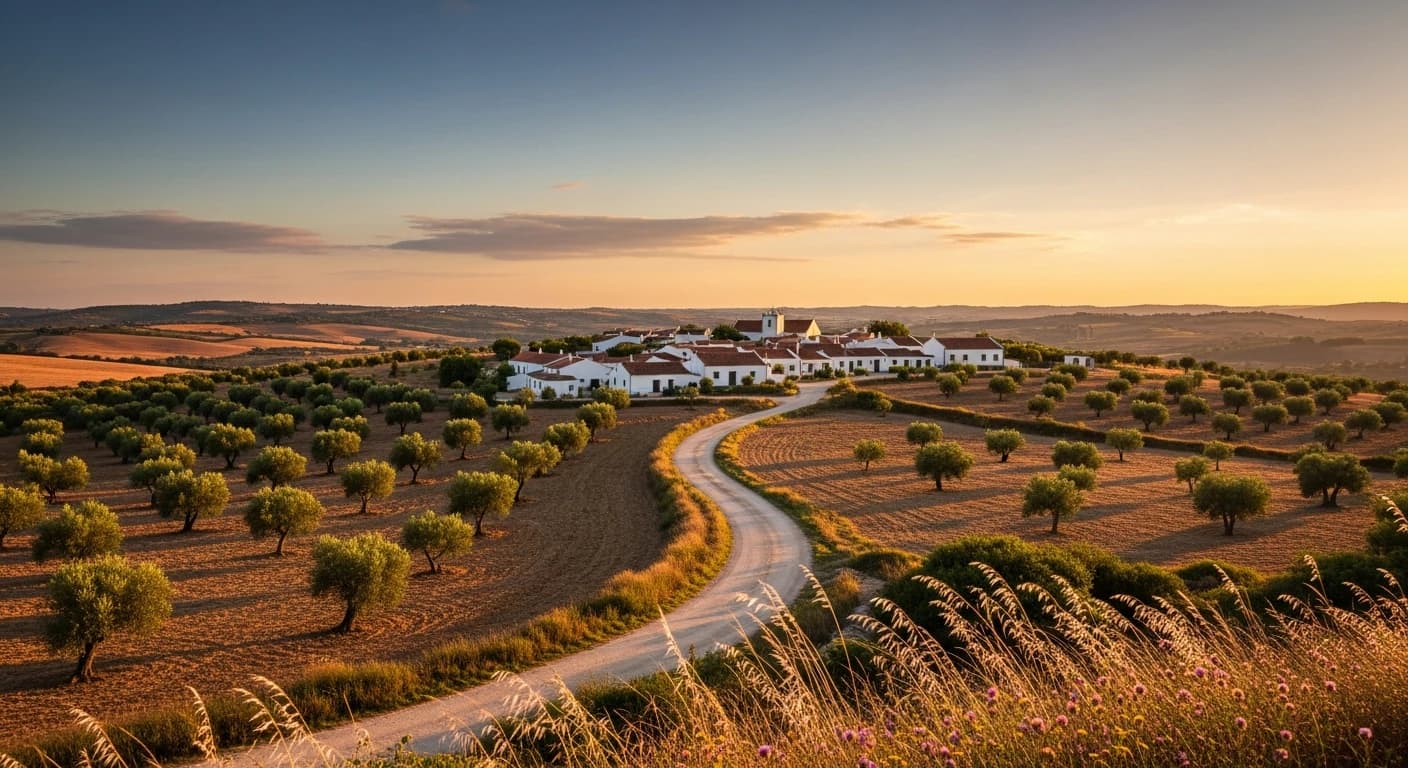
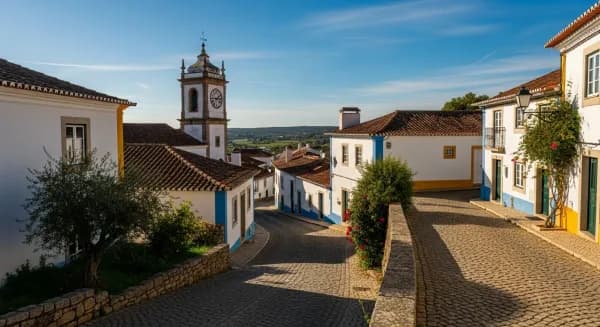
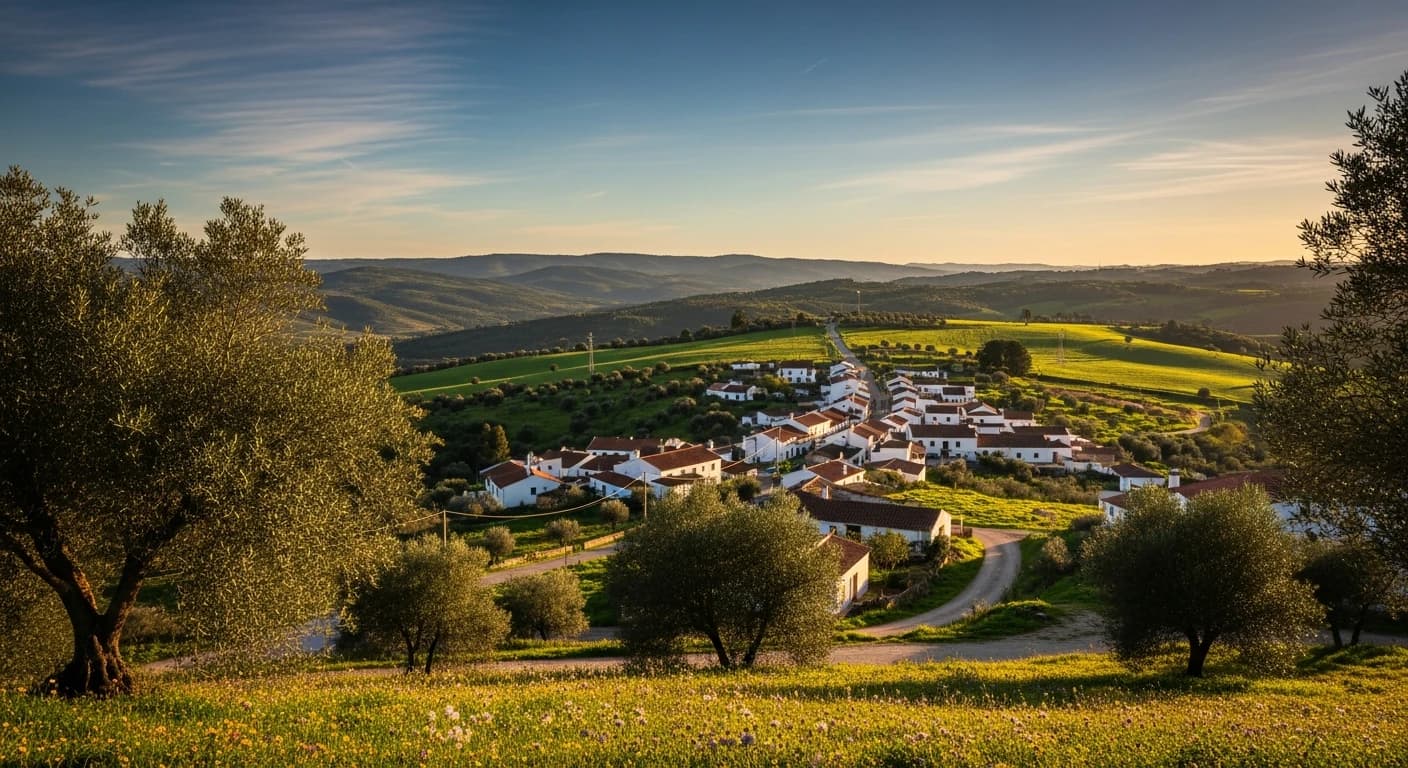
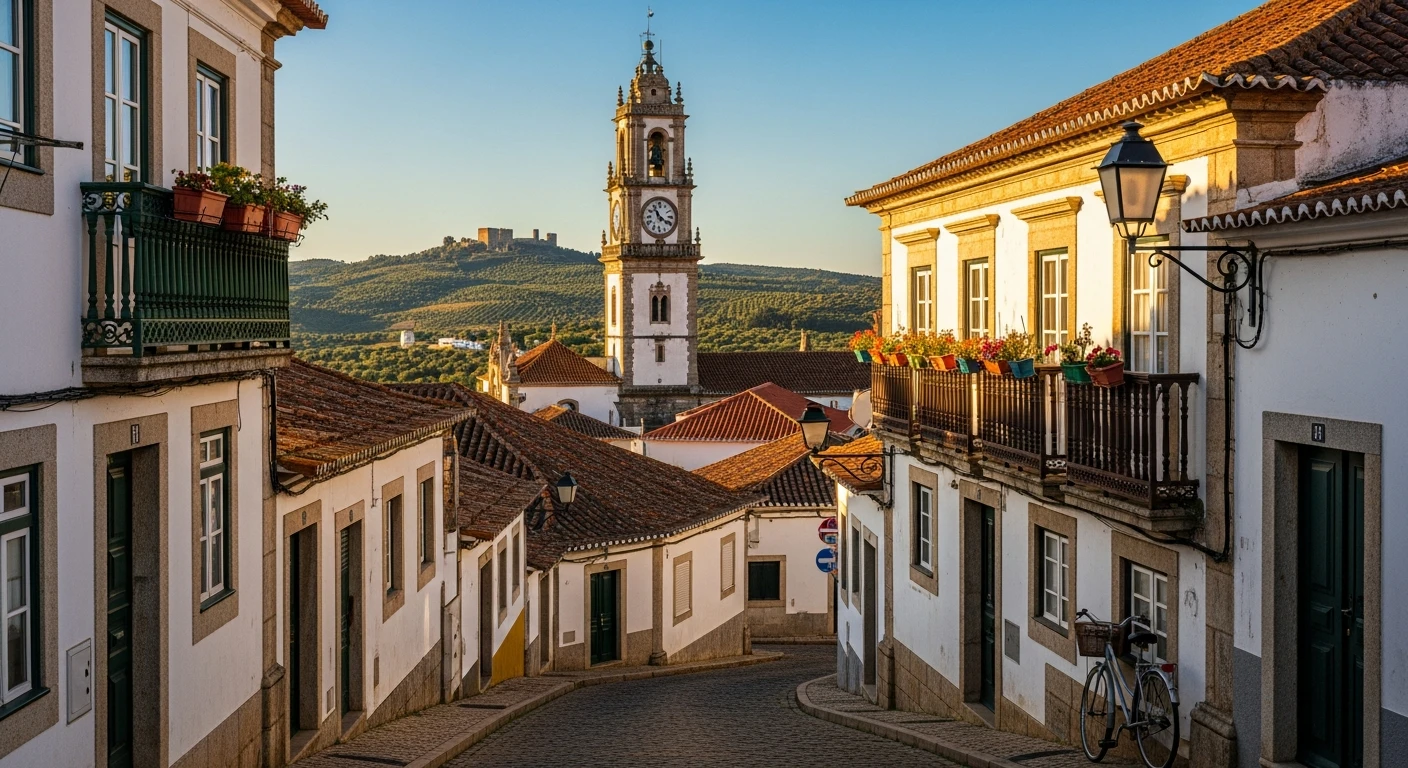
Geographically, Fronteira is set amidst the rolling plains of Alentejo, characterized by vast olive groves, cork oak forests, and the occasional vineyard. This landscape not only defines its agricultural backbone but also contributes to its serene and timeless vibe. The town itself is a tapestry of whitewashed houses, cobbled streets, and imposing churches, each narrating a chapter of its storied past.
The vibe of Fronteira is quintessentially Alentejan, marked by a slow pace of life and a deep connection to the land. Visitors often find themselves enchanted by the hospitality of the locals, who are always eager to share a story or a glass of wine. As you stroll through the town, the gentle murmur of Portuguese conversations, the aroma of freshly baked bread, and the distant sound of church bells create a symphony that is uniquely Fronteira.
In Fronteira, accommodation options range from luxurious retreats to budget-friendly stays, catering to a wide spectrum of travelers. For those seeking opulence, the outskirts of Fronteira boast charming boutique hotels set in restored manor houses, offering a blend of modern comfort and historical charm. These establishments often provide breathtaking views of the Alentejo countryside, along with amenities like swimming pools and gourmet dining.
For budget-conscious travelers, the town center offers quaint guesthouses and family-run inns. These accommodations provide a cozy and intimate experience, often accompanied by the warmth of local hospitality. Staying in the town center also means easy access to Fronteira's main attractions and eateries, allowing visitors to immerse themselves fully in the local way of life.
Navigating Fronteira and its surrounding areas is a delightful experience, thanks to its well-maintained roads and scenic routes. While public transportation options are limited, the town is best explored on foot or by bicycle, allowing you to soak in the charm of its narrow lanes and picturesque vistas.
For those wishing to venture further afield, car rentals are a popular choice, offering the flexibility to explore the wider Alentejo region at your own pace. Local taxis are also available, providing convenient access to nearby attractions and neighboring towns. Remember, driving in Alentejo is a leisurely affair, with little traffic and ample opportunities to stop and admire the scenery.
Fronteira serves as an ideal base for exploring the hidden gems of the Alentejo region. A short drive away lies the enchanting village of Alter do Chão, renowned for its horse breeding and the impressive Coudelaria de Alter, a historic stud farm.
Another must-visit is the serene Barragem do Maranhão, a reservoir offering opportunities for fishing, kayaking, and picnicking amidst nature. For history enthusiasts, the nearby town of Avis boasts ancient fortifications and a rich medieval heritage.
Wine lovers will delight in the Alentejo wine route, with several vineyards offering tours and tastings. Each excursion promises a deeper understanding of the region's diverse landscapes and cultural tapestry.
The best time to visit Fronteira and the Alentejo region is during the spring and autumn months. From March to May, the countryside bursts into life with wildflowers, and the temperatures are mild, perfect for outdoor activities.
Autumn, from September to November, offers a different charm, with the harvest season painting the landscape in hues of gold and the air filled with the aroma of ripe grapes. Summer can be quite hot, with temperatures often exceeding 35°C, while winter is mild but occasionally rainy.
Fronteira experiences a Mediterranean climate, typical of the Alentejo region. January and February are the coldest months, with temperatures ranging from 5°C to 15°C. March sees the beginning of spring, with temperatures gradually rising.
By April and May, the weather is pleasantly warm, ideal for exploring. June to August marks the peak of summer, with long, sunny days and temperatures often above 30°C. September heralds the onset of autumn, with cooler evenings and a return to milder days.
The culture of Fronteira is deeply rooted in the traditions of Alentejo, characterized by a rich tapestry of festivals, music, and crafts. One of the highlights is the annual Festas de Fronteira, a vibrant celebration featuring traditional music, dance, and gastronomy.
The people of Fronteira are known for their warmth and hospitality, often inviting visitors to partake in local customs and festivities. The region's crafts, particularly pottery and embroidery, reflect its artistic heritage and make for unique souvenirs.
Etiquette in Fronteira is influenced by a strong sense of community and respect for tradition. Visitors are encouraged to greet locals with a friendly 'bom dia' and to appreciate the slower pace of life that defines this charming town.
The culinary scene in Fronteira is a testament to the rich agricultural heritage of Alentejo. Must-eat dishes include 'açorda', a hearty bread soup seasoned with garlic and coriander, and 'migas', a flavorful dish made from leftover bread, garlic, and olive oil.
Local meats, particularly pork and lamb, feature prominently in traditional recipes, often grilled or stewed to perfection. No meal is complete without a glass of Alentejo wine, renowned for its robust flavors and rich history.
Fronteira is home to several landmarks that capture the essence of Alentejo's historical and cultural legacy. The Igreja Matriz de Nossa Senhora da Atalaia is a stunning example of Gothic architecture, with intricate carvings and a serene interior that invites contemplation.
The nearby Castelo de Fronteira offers panoramic views of the surrounding countryside and a glimpse into the town's medieval past. Another must-see is the Convento de São Francisco, a former monastery that now serves as a cultural center, hosting exhibitions and events that celebrate the region's artistic heritage.
For those interested in archaeology, the Roman ruins of Torre de Palma provide a fascinating insight into the area's ancient history. Lastly, the Museu Municipal de Fronteira offers a comprehensive overview of the town's history, from prehistoric times to the present day.
Nearby places worth adding to your itinerary.
Top stays in Fronteira picked for comfort, value, and great guest reviews.