Aichi
Explore stays
Fukui, Japan is a beautiful and often underrated destination located on the western coast of Japan's Honshu Island. Known for its picturesque landscapes, historic sites, and unique local culture, Fukui is an ideal spot for travelers who want to explore beyond Japan's more famous cities. From stunning coastal views and outdoor adventures to delicious food and cultural experiences, Fukui offers something for everyone.
In this guide, we will explore everything you need to know about Fukui, Japan, including its top attractions, how to get there, the best time to visit, and why this prefecture should be on your travel radar.
Fukui is located in the Chūbu region of Japan, along the western coast of Honshu Island, facing the Sea of Japan. It is bordered by Ishikawa Prefecture to the north, Shiga Prefecture to the east, and Kyoto Prefecture to the south. Despite being a relatively small prefecture, Fukui is blessed with a diverse landscape that includes lush mountains, beautiful coastlines, and a rich cultural heritage.
The capital city of Fukui Prefecture is also named Fukui, and it serves as the region’s main transportation hub. The area is known for its history, stunning natural sites like the Tojinbo Cliffs, and unique attractions, such as Eihei-ji Temple and the Fukui Dinosaur Museum. Its proximity to major cities like Kyoto (about 1.5 hours by train) and Osaka (approximately 2.5 hours by train) makes it a great destination for day trips or extended stays.
Although Fukui doesn’t have its own international airport, it is easily accessible from other major cities in Japan, particularly Osaka and Kyoto. The nearest international airports are Osaka Kansai Airport (about 2.5 hours away by train) and Osaka Itami Airport (roughly 2 hours away by train). From these airports, you can catch a flight into Osaka and then take a train or bus to Fukui.
Once you’re in Japan, traveling to Fukui by train is a popular and convenient option. The main train station in Fukui, Fukui Station, is well-connected to the JR (Japan Rail) network. Visitors can take the JR Thunderbird Limited Express from Osaka or Kyoto to Fukui. The journey takes about 2 to 2.5 hours, making it easy to access from major cities in western Japan.
For those flying into Osaka, you can also take the JR Shinkansen or a highway bus from Osaka Station to Fukui, which is very straightforward and accessible.
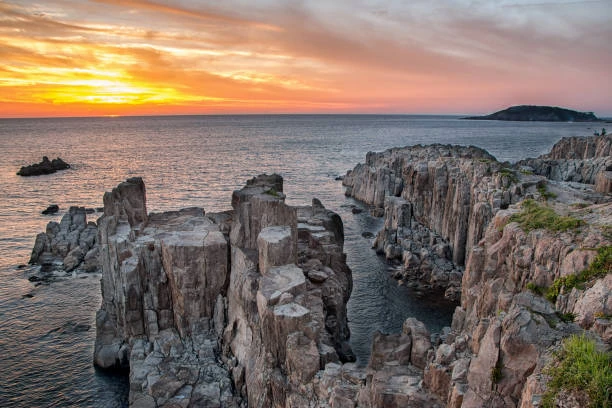
One of the most famous natural landmarks in Fukui is the stunning Tojinbo Cliffs. These dramatic cliffs stretch for about 1 kilometer along the coast, offering panoramic views of the Sea of Japan. The jagged rocks and striking scenery make Tojinbo a must-visit destination for nature lovers and photographers. The area is also known for its legends and myths, including tales of samurai and battles. Visitors can take a boat tour to get up close to the cliffs or hike along designated trails for an amazing view of the coastline.
For families and anyone with an interest in paleontology, the Fukui Dinosaur Museum is an absolute highlight. Located in Sabae City, the museum is one of the largest dinosaur museums in Asia and showcases impressive fossil exhibits, life-sized dinosaur models, and interactive displays. The museum also features an extensive collection of fossils, including several specimens discovered in Fukui itself, a region known for its dinosaur-rich history. The museum is an exciting stop for those interested in Japan’s prehistoric past.
For those interested in Japan’s spiritual heritage, Eihei-ji Temple is a must-visit site. Located in the mountains of Fukui, this Zen Buddhist temple is one of the two main temples of the Sōtō sect of Zen Buddhism. The temple was founded in 1244 by the famous Zen master Dōgen, who also wrote the influential Shōbōgenzō (The True Dharma Eye). Visitors can experience the peaceful atmosphere, explore the temple’s traditional architecture, and learn about the practice of Zen Buddhism. If you’re interested in meditation, you can also join a Zen meditation session at the temple.
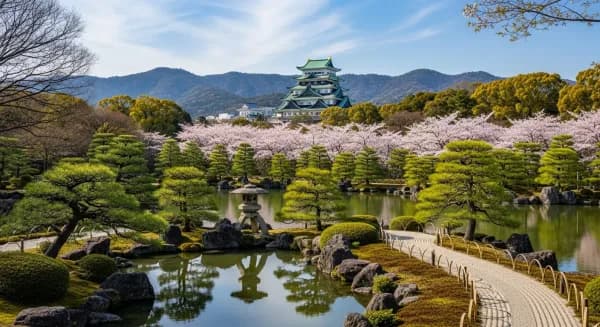
Maruoka Castle, located in Sakai City, is a historical landmark that offers a glimpse into Japan’s feudal past. Originally built in the 16th century, the castle features a beautiful three-story tenshu (main keep), which offers panoramic views of the surrounding area. The castle grounds are also home to a famous cherry blossom tree, which blooms in the spring and adds an extra touch of beauty to the site.
For a relaxing experience in Fukui, head to Yunokuni no Mori, a hot spring village located in the mountains. The area is known for its healing waters, which have been used for centuries. Visitors can soak in the natural hot springs, which are said to have therapeutic properties. There are also traditional Japanese-style inns (ryokan) where visitors can stay overnight and enjoy multi-course meals featuring local ingredients.
Another beautiful natural site in Fukui is Kehi no Matsubara, a scenic stretch of pine trees along the coastline. It is often compared to the famous pine groves of Matsushima in the Tohoku region. The picturesque spot is perfect for a peaceful stroll along the beach, enjoying the coastal breeze and the calming view of the ocean.
Located in the heart of Fukui City, the Fukui Prefectural Museum of Cultural History is a great place to learn more about the region’s past. The museum offers exhibits on Fukui’s local culture, including its traditional crafts, folklore, and the history of the Edo Period. It’s an excellent stop for visitors who want to understand more about the culture and heritage of Fukui.
Fukui is known for its delicious and fresh local cuisine. Some of the must-try foods when visiting include:
Fukui has a well-developed public transport system. The city of Fukui is connected to other parts of the prefecture by trains, buses, and taxis.
Local buses in Fukui are the best way to get around within the city and reach nearby attractions. For example, there are buses that take you directly to popular destinations like Eihei-ji Temple and the Fukui Dinosaur Museum.
The JR Fukui Station is the main railway hub in the city and provides access to trains connecting Fukui with major cities like Osaka and Kyoto.
Taxis are available in Fukui City and other towns within the prefecture, though they tend to be more expensive than public transport.
The best time to visit Fukui is during the spring (March to May) and autumn (September to November). In spring, you can enjoy the cherry blossoms at Maruoka Castle and Eihei-ji Temple, while autumn brings vibrant foliage that adds extra beauty to the landscape. Summer (June to August) is ideal for outdoor activities, especially along the coastline, while winter (December to February) offers the opportunity to enjoy hot springs and delicious Echizen Crab.
Most visitors spend 2 to 3 days in Fukui to explore the main attractions and enjoy the natural beauty of the region. If you plan to visit multiple cities or explore the nearby areas, you may want to allocate extra time for your trip.
Nearby places worth adding to your itinerary.
Top stays in Fukui picked for comfort, value, and great guest reviews.