
Changping
Explore stays
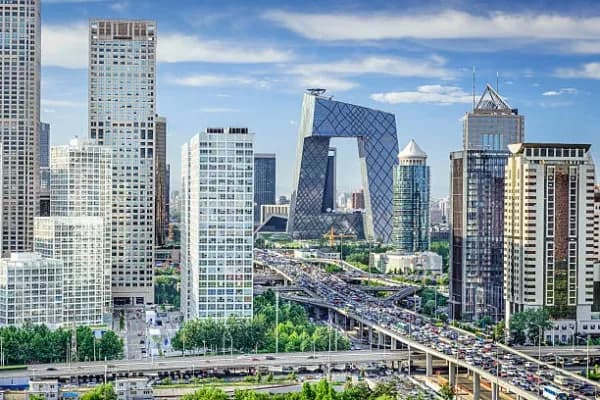
Gaolou, a lesser-known but captivating neighborhood in Beijing, offers a unique blend of history, culture, and modernity. Located in the heart of the city, it is characterized by its traditional hutongs—narrow alleys lined with courtyard residences—and its juxtaposition with contemporary architecture. Historically, Gaolou has been a hub for artisans and merchants, contributing to the rich tapestry of Beijing's heritage.
The name 'Gaolou' translates to 'tall building,' a nod to the area’s evolving skyline. In the early 20th century, Gaolou witnessed rapid development, transforming from a quaint neighborhood into a bustling commercial area. Today, it thrives as a vibrant cultural district, attracting both locals and tourists eager to experience authentic Beijing life.
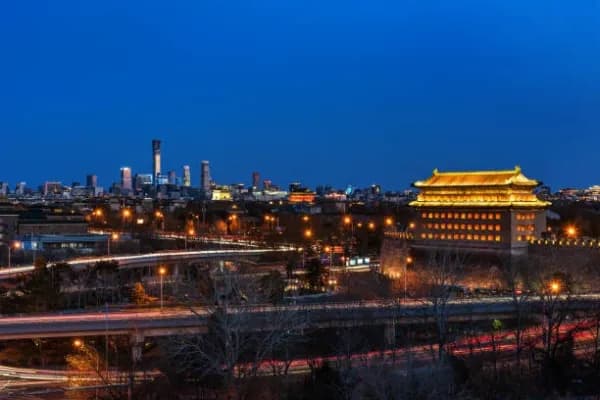
The geography of Gaolou is defined by its proximity to major attractions such as the Forbidden City and Tiananmen Square. The neighborhood's vibe is a harmonious blend of the old and the new, where ancient temples stand shoulder to shoulder with chic cafes and art galleries. Walking through Gaolou, one can feel the pulse of a city that honors its past while embracing the future, making it a must-visit destination for anyone exploring Beijing.
When it comes to accommodation in Gaolou, travelers are presented with a variety of options that cater to different budgets and preferences. For those seeking luxury, high-end hotels like the Rosewood Beijing offer opulent amenities, fine dining, and exceptional service. Located close to Gaolou, these hotels provide easy access to the neighborhood's attractions while ensuring a lavish stay.
On the other hand, budget-conscious travelers can find charming guesthouses and hostels nestled within the hutongs, where they can enjoy a more authentic experience of Beijing life. Places like the Beijing Downtown Backpackers Hostel offer comfortable lodging at an affordable price, providing travelers with a base to explore the neighborhood’s hidden gems. Whether you choose luxury or budget accommodations, Gaolou's diverse options ensure a memorable stay in the heart of Beijing.
Getting around Gaolou and the rest of Beijing is an adventure in itself. The city boasts an extensive public transportation system, including buses and the subway, which are both efficient and affordable. To navigate like a local, consider purchasing a Beijing Transportation Smart Card, which provides seamless access to public transit.
Bicycles are also a popular mode of transport, with many bike-sharing programs available for easy rentals. Exploring the hutongs on two wheels allows visitors to soak in the local atmosphere at a leisurely pace. Of course, walking is the best way to discover Gaolou’s hidden alleys and bustling markets, revealing a side of Beijing that is often overlooked.
While Gaolou itself is filled with charm, the surrounding areas also offer captivating excursions that are well worth the trip. Just a short ride away, the tranquil Beihai Park is a beautiful escape from the city's hustle and bustle, featuring serene lakes and lush gardens.
For hiking enthusiasts, the nearby Fragrant Hills Park provides stunning natural landscapes and panoramic views of the city, especially during the autumn when the leaves change color. Additionally, the ancient village of Cuandixia, a well-preserved Ming and Qing dynasty settlement, presents a glimpse into traditional Chinese rural life, making it an ideal day trip from Gaolou.
The best time to visit Gaolou and Beijing as a whole is during the spring (April to June) and autumn (September to October) months. During these seasons, the weather is mild, allowing for comfortable exploration of the neighborhood and surrounding areas.
Spring brings blooming flowers and vibrant greenery, creating a picturesque backdrop for outdoor activities. Conversely, autumn offers a stunning display of foliage, particularly in parks like Beihai and Fragrant Hills. Summer (July to August) can be hot and humid, while winter (December to February) is cold and often snowy, making outdoor activities less enjoyable.
Beijing experiences a continental climate, characterized by distinct seasons. In January, temperatures can drop to -7°C (19°F), perfect for enjoying the magical winter scenery. February begins to warm up slightly, with temperatures averaging around -2°C (28°F).
As spring arrives in March, temperatures gradually rise to about 10°C (50°F), making it ideal for outdoor activities. By June, the summer heat peaks at around 30°C (86°F), accompanied by occasional thunderstorms. Autumn brings a pleasant chill in September, with temperatures around 20°C (68°F), perfect for exploring Gaolou’s vibrant streets before the winter chill sets in again in December.
The culture of Gaolou reflects the broader heritage of Beijing, rich in traditions, festivals, and a strong sense of community. Major festivals, such as the Chinese New Year and the Mid-Autumn Festival, are celebrated with great enthusiasm in the area, offering visitors a chance to witness traditional performances, food markets, and community gatherings.
The people of Gaolou are known for their hospitality and friendliness, often inviting visitors to partake in local customs. When engaging with locals, it’s essential to understand basic etiquette, such as greeting elders first and showing respect in conversations. Observing these cultural nuances will enrich your experience in Gaolou and foster connections with the community.
Culinary experiences in Gaolou are a highlight of any visit to Beijing. The area is home to numerous street food stalls and local restaurants offering authentic Beijing dishes. Must-try foods include Peking Duck, renowned for its crispy skin and succulent meat, and jianbing, a savory Chinese crepe that makes for a perfect breakfast.
The culinary history of Beijing is deeply intertwined with the city’s imperial past, where royal kitchens influenced local flavors. Visitors can explore food markets like Wangfujing, where they can sample exotic snacks, including candied fruits and scorpions on a stick. Embracing the local food culture is an essential part of experiencing the vibrant essence of Gaolou.
Gaolou is surrounded by a wealth of tourist attractions that showcase the rich history and culture of Beijing. Here are five must-visit landmarks:
Once the imperial palace of the Ming and Qing dynasties, the Forbidden City is a UNESCO World Heritage site and a symbol of China’s historical grandeur. With over 980 buildings and extensive gardens, it offers a glimpse into imperial life and architecture.
Adjacent to the Forbidden City, Tiananmen Square is the largest public square in the world, steeped in history and significance. Visitors can see the iconic Tiananmen Gate, the Monument to the People’s Heroes, and the Great Hall of the People.
One of the oldest and most well-preserved imperial gardens in Beijing, Beihai Park is a serene oasis featuring a large lake, pavilions, and a stunning white pagoda. It’s a perfect spot for leisurely strolls and picnics.
This magnificent temple complex was once a place for emperors to pray for good harvests. The architecture is breathtaking, and the surrounding gardens are a popular gathering place for locals practicing tai chi.
The traditional hutongs of Gaolou are a treasure trove of history. Guided tours offer insights into local life, showcasing courtyard homes, family-run shops, and communal living that define Beijing’s cultural heritage.
Nearby places worth adding to your itinerary.