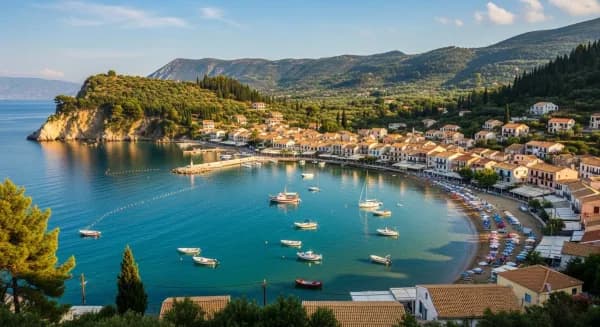

Acharavi
Explore stays
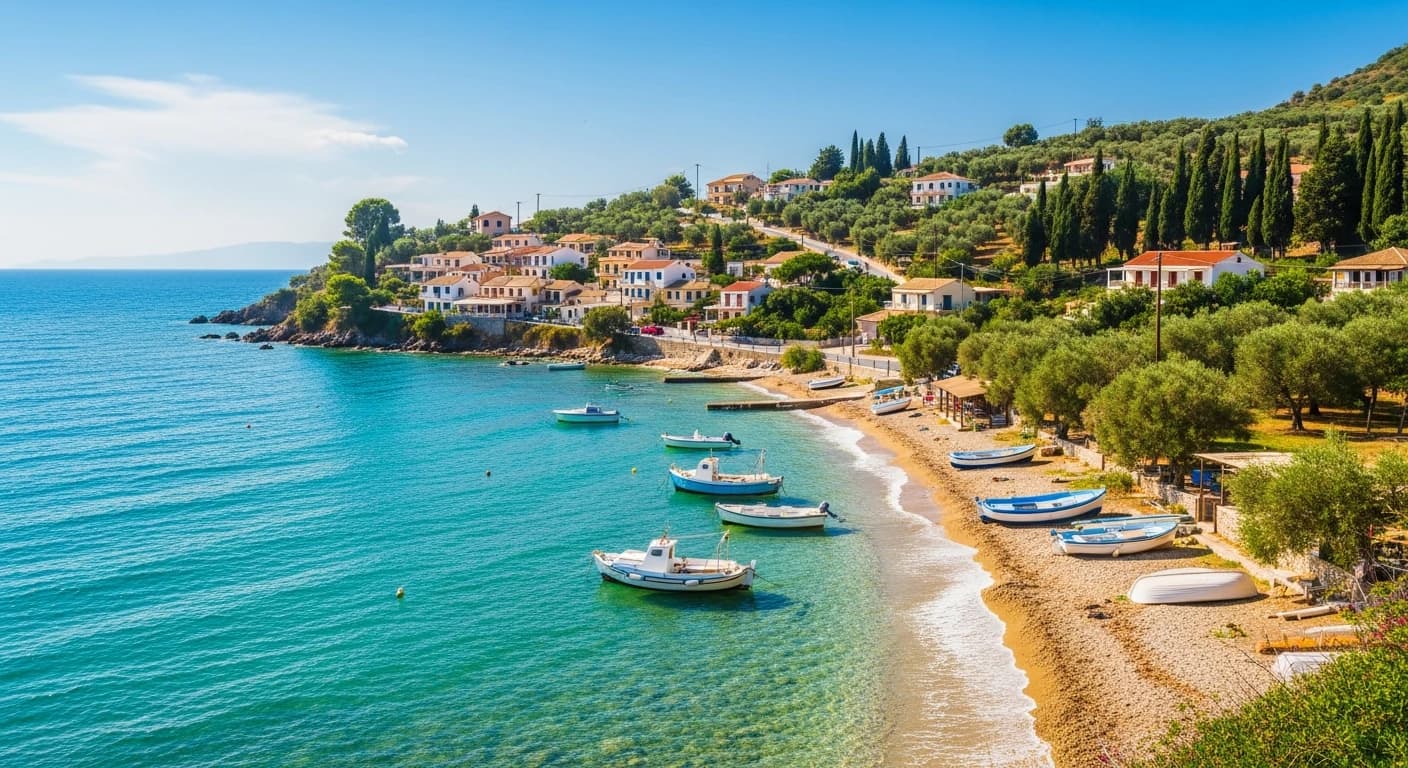
Nestled on the northeastern coast of the enchanting island of Corfu, Glyfa is a tranquil escape known for its stunning seascapes and serene atmosphere. The village is a hidden gem that offers a slice of authentic Greek island life, away from the bustling tourist hotspots. With its roots tracing back to ancient times, Glyfa has been a silent witness to the myriad historical changes that have swept across Corfu.
Geographically, Glyfa is characterized by its rugged coastline, where lush green hills meet the azure waters of the Ionian Sea. The area is dotted with olive groves and cypress trees, creating a picturesque landscape that has inspired countless artists and writers over the centuries. The vibe in Glyfa is laid-back and welcoming, with a strong sense of community among its residents.
Historically, Corfu has been a melting pot of cultures, having been under Venetian, French, and British rule at different times. This diverse heritage is reflected in the architecture, cuisine, and cultural practices of Glyfa. The village offers a unique blend of traditional Greek charm and subtle influences from its storied past, making it an intriguing destination for travelers seeking both relaxation and cultural enrichment.
In Glyfa, accommodation options range from luxurious villas to budget-friendly apartments, catering to a variety of travelers. For those seeking opulence, the surrounding areas offer exquisite villas perched on hillsides, providing breathtaking views of the sea. These luxury accommodations often come with private pools, lush gardens, and personalized services, ensuring a lavish stay.
Budget-conscious travelers will find charming guesthouses and family-run hotels that offer a cozy and comfortable experience. Staying in these establishments allows visitors to immerse themselves in the local culture and enjoy the warm hospitality that Corfu is renowned for. The nearby town of Barbati is also a popular choice, offering a range of accommodations with easy access to Glyfa’s attractions.
Getting around Glyfa and the rest of Corfu is relatively straightforward, thanks to a well-connected network of roads and public transportation. The local bus service, operated by KTEL, is a convenient and affordable way to navigate the island. Buses frequently run between Glyfa and major towns like Corfu Town, making it easy to explore the island without the need for a car.
For those who prefer more flexibility, renting a car or scooter is a popular option. This allows travelers to venture off the beaten path and discover hidden gems at their own pace. Taxis are also readily available, offering a comfortable and quick way to travel, especially for short distances.
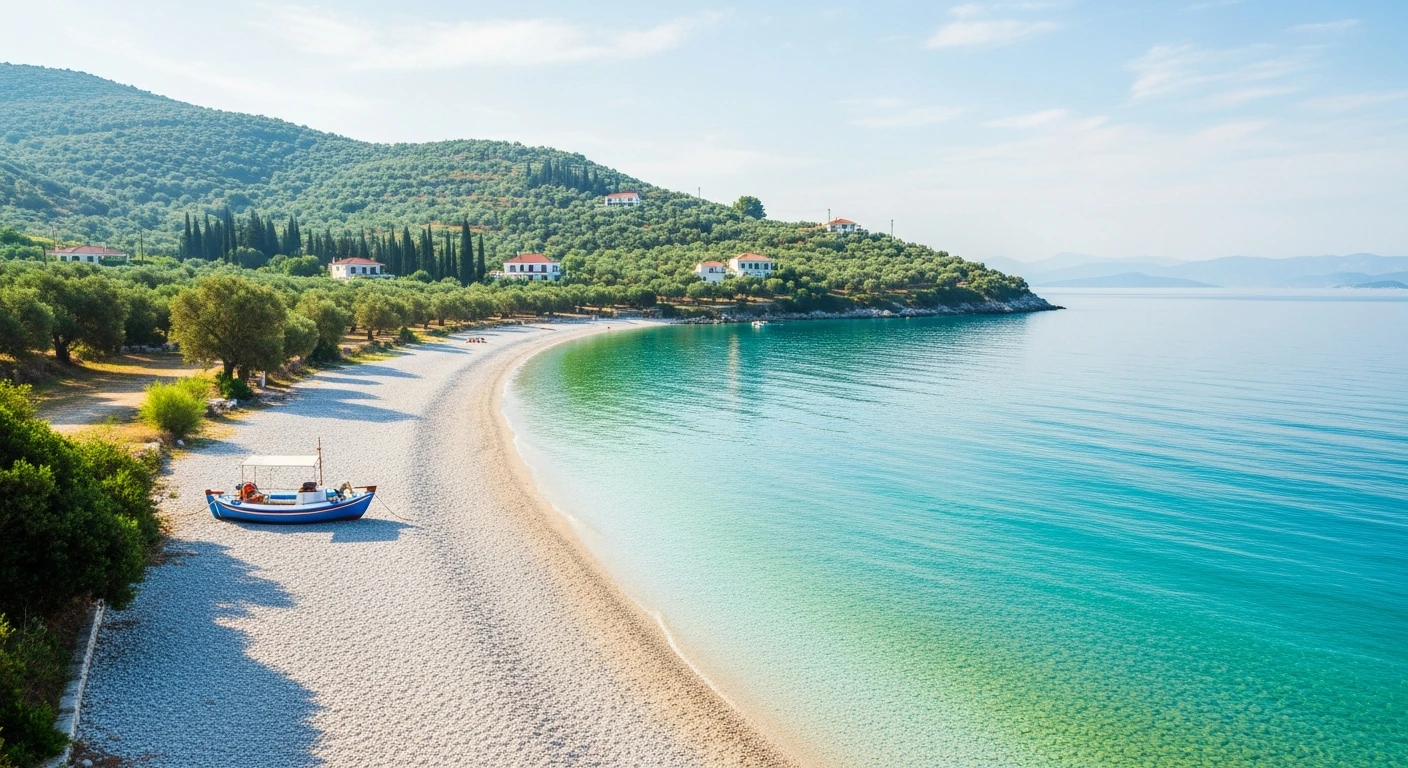
While Glyfa itself is a serene retreat, its location makes it an ideal base for exploring some of Corfu’s lesser-known attractions. A short drive away is the quaint village of Nissaki, known for its beautiful pebble beaches and crystal-clear waters. Here, visitors can enjoy snorkeling and diving, or simply relax by the sea.
Another must-visit is the historic Old Perithia, a traditional mountain village that offers a glimpse into Corfu’s past. Wander through its cobbled streets and admire the ancient stone houses, many of which have been lovingly restored. For nature enthusiasts, a hike up Mount Pantokrator provides panoramic views of the island and the Albanian coastline.
Corfu enjoys a Mediterranean climate, making it a year-round destination, but the best time to visit Glyfa largely depends on personal preferences. The summer months from June to August are ideal for beachgoers, with long sunny days and warm temperatures perfect for swimming and sunbathing.
For those who prefer milder weather and fewer crowds, the shoulder seasons of spring (April to June) and autumn (September to October) offer pleasant temperatures and a more relaxed atmosphere. During these times, the island’s natural beauty is at its peak, with blooming flowers in spring and vibrant autumn colors.
Corfu’s weather is characterized by hot, dry summers and mild, wet winters. In January, temperatures can drop to around 10°C (50°F), while July and August see highs of 30°C (86°F). Rain is most frequent from November to February, with December being the wettest month.
March marks the beginning of spring, with temperatures gradually rising and rainfall decreasing. By May, the island is awash with wildflowers, and the sea is warm enough for swimming. Autumn sees a return of rain, but September remains predominantly dry and warm, offering a pleasant climate for outdoor activities.
Glyfa, like the rest of Corfu, is steeped in cultural traditions that reflect its rich history. The island hosts numerous festivals throughout the year, celebrating everything from religious events to local produce. One of the most significant is the Easter celebration, where the streets come alive with processions, music, and traditional dances.
The people of Corfu are known for their warmth and hospitality, often going out of their way to make visitors feel at home. Respect for local customs is appreciated, such as dressing modestly when visiting churches and participating in local festivities.
Corfu’s culinary scene is a delightful blend of Greek and Venetian influences, with Glyfa offering a taste of this unique fusion. A must-try dish is Sofrito, a local specialty made with tender beef cooked in a garlic and white wine sauce. Another popular dish is Bourdeto, a spicy fish stew that showcases the island’s love for seafood.
For dessert, try the local favorite, Kumquat liqueur, made from the small citrus fruit that grows abundantly on the island. This sweet treat is often enjoyed as a digestif after meals, providing a perfect end to a delicious dining experience in Corfu.
While Glyfa itself is a peaceful retreat, its proximity to some of Corfu’s top attractions makes it an excellent base for exploration. One of the most iconic landmarks is the Old Fortress in Corfu Town, a testament to the island’s strategic importance during the Venetian era. Visitors can explore its ancient walls and enjoy panoramic views of the town and sea.
The Achilleion Palace, built by Empress Elisabeth of Austria, is another must-visit. This neoclassical mansion is adorned with stunning frescoes and sculptures, offering a glimpse into the opulent lifestyle of European royalty.
For a taste of local history, the Mon Repos Palace, the birthplace of Prince Philip, is a fascinating site. Its lush gardens and historical exhibits provide insight into Corfu’s regal past.
Nature lovers will appreciate the beauty of the Corfu Trail, a long-distance hiking route that passes through some of the island’s most picturesque landscapes. Finally, the Canal d’Amour in Sidari, with its unique rock formations and romantic legend, is a captivating natural wonder that should not be missed.
Nearby places worth adding to your itinerary.
Top stays in Glyfa picked for comfort, value, and great guest reviews.