Avissawella
Explore stays
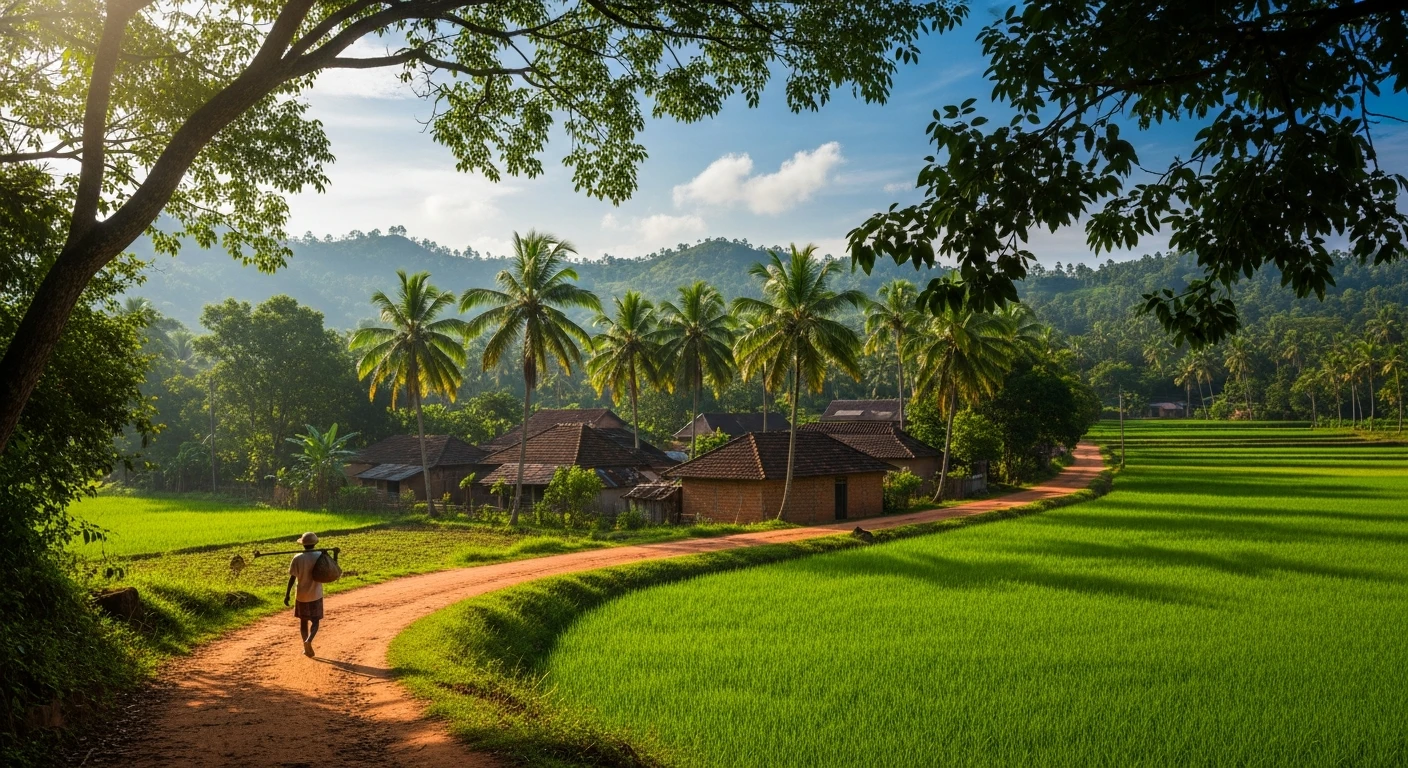
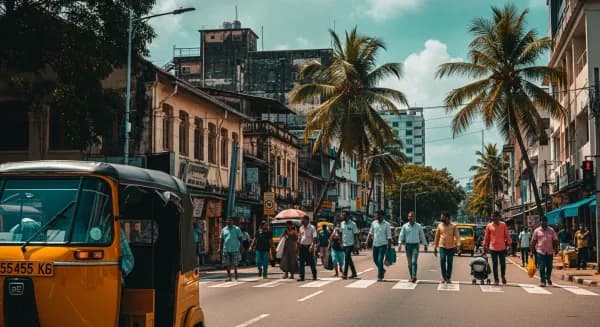
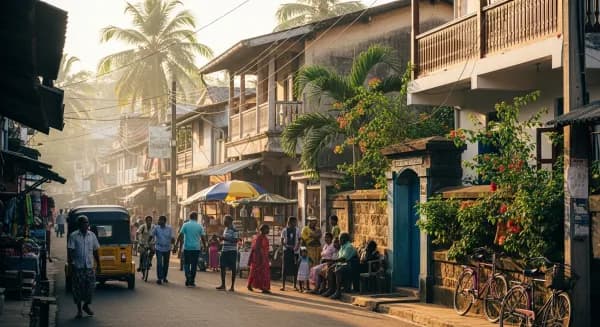
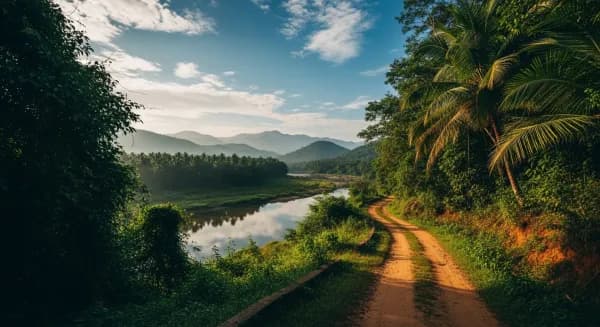
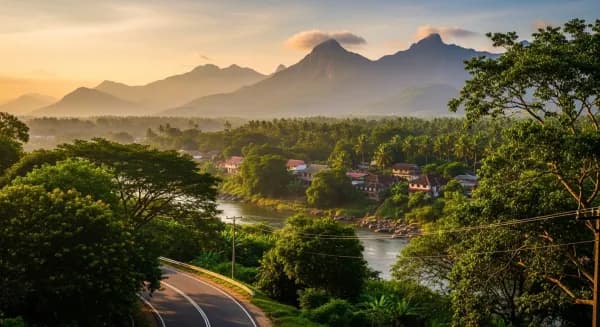
Godagama, a quaint suburb in the bustling city of Colombo, Sri Lanka, offers a unique blend of urban charm and rural tranquility. Nestled on the outskirts of Colombo, Godagama is a testament to the city's rapid urbanization while still retaining its rustic charm. Historically, Godagama has been a pivotal point for trade and agriculture, benefiting from its strategic location near Colombo's central business district. This area is characterized by its lush greenery, with coconut palms and paddy fields dotting the landscape, providing a serene contrast to Colombo's urban core.
The vibe in Godagama is a harmonious blend of traditional Sri Lankan culture and modern influences. The locals, known for their warmth and hospitality, have maintained their cultural roots, evident in the numerous temples and traditional homes that pepper the area. Despite the rapid development in Colombo, Godagama has managed to retain its laid-back atmosphere, making it a perfect getaway for those looking to escape the hustle and bustle of city life.
Visitors to Godagama can expect a warm welcome from its residents, who are always eager to share stories of the area's rich history and folklore. The community is tight-knit, with a strong emphasis on family values and cultural traditions. This unique blend of past and present makes Godagama a fascinating place to explore, offering insights into the everyday life of Colombo's suburban residents.
When it comes to accommodations, Godagama offers a range of options to suit different budgets and preferences. For those seeking luxury, there are upscale boutique hotels and resorts that provide a tranquil retreat with modern amenities. These establishments often feature lush gardens, swimming pools, and fine dining restaurants, offering a taste of Colombo's hospitality at its finest.
For budget-conscious travelers, Godagama has a variety of guesthouses and homestays that offer a more authentic experience. Staying with a local family can provide unique insights into the daily life and customs of Colombo's residents, making your visit to Godagama even more memorable. These budget accommodations are often located in picturesque settings, allowing guests to enjoy the natural beauty of the area.
Navigating Godagama like a local is a delightful experience. The area is well-connected to Colombo's city center via public transportation, with buses and trains being the most popular options. The local bus service is frequent and affordable, offering a convenient way to explore the surrounding areas.
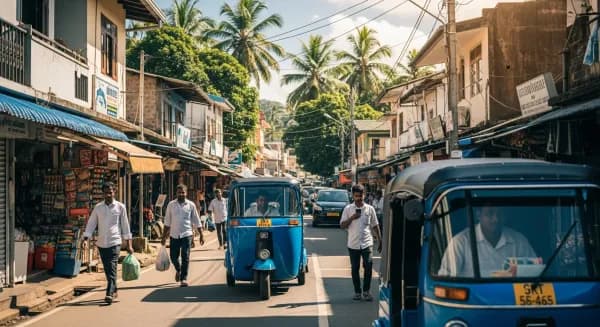
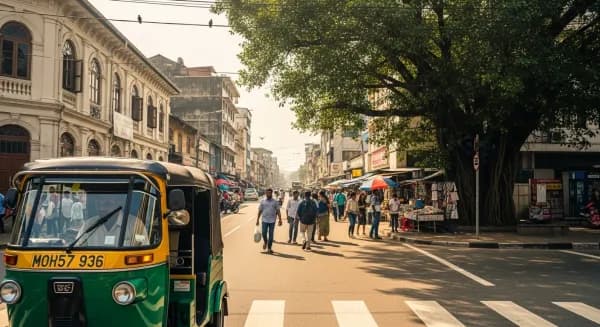
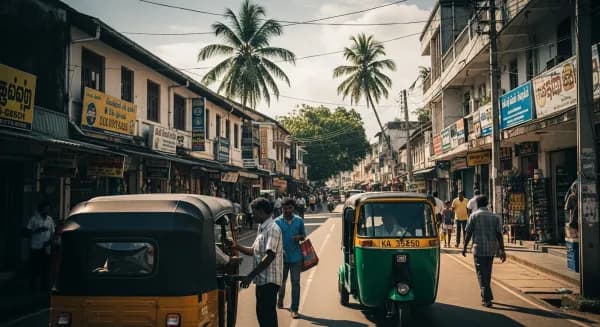
For a more personalized experience, tuk-tuks are readily available and provide a quick and exciting way to travel short distances. These three-wheeled vehicles are a staple in Colombo, and their drivers often double as informal tour guides, sharing local anecdotes and tips.
If you prefer to explore at your own pace, renting a bicycle is a great option. The roads in Godagama are relatively quiet, making it a pleasant area for cycling and discovering hidden gems off the beaten path.
Godagama serves as an excellent base for excursions to some of Colombo's lesser-known attractions. One such gem is the Diyasaru Park, a wetland sanctuary located just a short drive away. This park is a haven for birdwatchers and nature enthusiasts, offering a peaceful escape from the city.
Another nearby attraction is the historic town of Homagama, where visitors can explore ancient temples and enjoy the local markets. The town is known for its vibrant cultural scene, with traditional dance performances and music festivals held regularly.
For those interested in history, a visit to the Kelaniya Raja Maha Vihara, a significant Buddhist temple, is a must. This temple, located just outside Colombo, is steeped in history and offers a glimpse into the rich cultural heritage of the region.
The best time to visit Godagama, and Colombo in general, is from December to March. During these months, the weather is relatively dry and pleasant, making it ideal for outdoor activities and sightseeing.
The monsoon season, which runs from May to September, brings heavy rains to Colombo and its suburbs, including Godagama. While the rains can be refreshing, they may disrupt travel plans, so it's best to plan indoor activities during this period.
Visiting Godagama during the off-peak season, from April to November, can be rewarding as well, with fewer tourists and lower accommodation rates. However, be prepared for occasional rain showers and humid conditions.
Colombo experiences a tropical climate, with warm temperatures throughout the year. January is the coolest month, with temperatures ranging from 22°C to 30°C, making it a comfortable time to explore Godagama.
From February to April, temperatures gradually rise, reaching highs of 32°C. The heat can be intense, so it's advisable to stay hydrated and wear light, breathable clothing.
The monsoon season, from May to September, brings heavy rains and high humidity. Despite the wet conditions, the lush greenery of Godagama is particularly vibrant during this time, offering stunning landscapes for photography enthusiasts.
The culture of Godagama is a reflection of Colombo's diverse heritage, with influences from Sinhalese, Tamil, and Moor communities. This multicultural tapestry is evident in the area's festivals, cuisine, and daily life.
One of the most significant festivals celebrated in Godagama is the Sinhala and Tamil New Year, held in April. This vibrant festival is marked by traditional games, music, and dance, offering visitors a chance to experience the rich cultural traditions of Colombo.
Etiquette is important in Godagama, as it is in the rest of Colombo. Visitors should dress modestly, especially when visiting religious sites, and show respect for local customs. The people of Godagama are known for their hospitality, and a warm smile and polite greeting go a long way in making a positive impression.
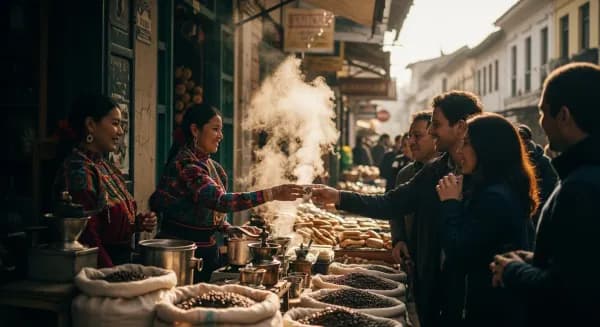
Godagama offers a culinary journey that reflects the diverse flavors of Colombo. Must-eat dishes include hoppers, a type of pancake made from fermented rice batter, and kottu, a stir-fried dish made with shredded roti, vegetables, and meat.
The area is also known for its fresh seafood, with dishes like prawn curry and fish ambul thiyal being local favorites. These dishes are often accompanied by sambols, spicy relishes made from coconut, chili, and lime.
The culinary history of Godagama is deeply rooted in traditional Sri Lankan cooking methods, with an emphasis on fresh, locally sourced ingredients. Visitors can enjoy these flavors at local eateries or by joining a cooking class to learn the secrets of Sri Lankan cuisine.
While Godagama itself may not be home to Colombo's most famous landmarks, it offers easy access to several noteworthy attractions. One such site is the National Museum of Colombo, which houses an extensive collection of artifacts that tell the story of Sri Lanka's rich history.
Another must-visit is the Gangaramaya Temple, one of Colombo's most iconic religious sites. This temple is a stunning example of architectural fusion, blending Sri Lankan, Thai, Indian, and Chinese influences.
For nature lovers, the Viharamahadevi Park, located in the heart of Colombo, offers a peaceful retreat with its beautiful gardens and walking paths. It's the perfect spot for a leisurely stroll or a picnic.
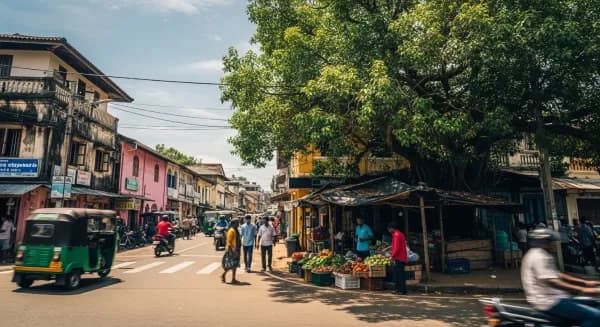
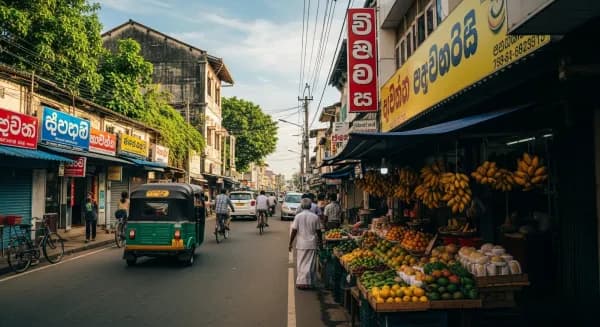
The Pettah Market, a bustling bazaar in Colombo, is a sensory delight, offering everything from fresh produce to textiles and electronics. It's an ideal place to experience the vibrant local culture and pick up souvenirs.
Finally, the Beira Lake, situated in central Colombo, is a serene oasis amidst the city's hustle and bustle. Visitors can enjoy boat rides on the lake or simply relax by its shores, taking in the picturesque views.
Nearby places worth adding to your itinerary.
Top stays in Godagama picked for comfort, value, and great guest reviews.